
Plants
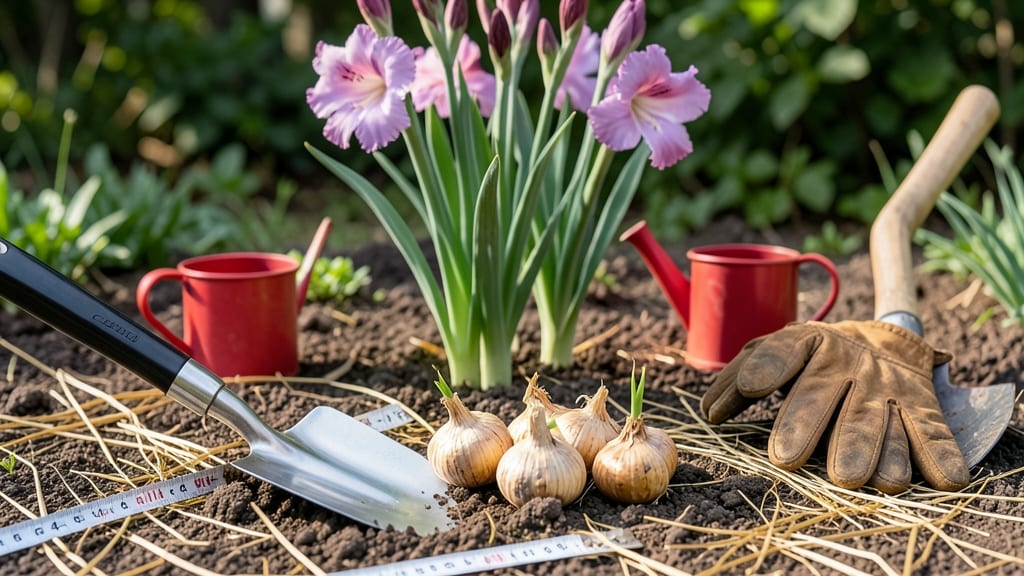
Timing your gladiolus bulbs planting in Wisconsin right can mean the difference between a showstopping summer garden and a season of missed blooms. With Wisconsin’s unpredictable frosts and short growing window, even the most eager gardeners can end up with bulbs that freeze or flowers that never appear.
But don’t worry—getting it perfect is easier than you think, especially when you know the exact frost-free window for your zone.
In Wisconsin’s Zone 5, where last frosts can linger well into May, planting too early risks losing your bulbs to cold soil, while waiting too long cuts your bloom time short.
The key is planting when soil temperatures hit a steady 60°F, usually around late May or early June, depending on your microclimate. Whether you’re in Milwaukee’s urban heat pockets or the cooler north, this guide will help you pinpoint the best time for your area.
Beyond dates, we’ll cover smart adjustments for Wisconsin’s quirks—like using row covers for late frosts or choosing cold-tolerant varieties that thrive in shorter seasons.
You’ll also learn how to prep your soil, plant at the right depth, and care for your gladiolus so they reach their full 5-6 foot height without flopping in summer humidity. Let’s make sure your garden bursts with color from midsummer through fall.
Ready to skip the guesswork? By the end of this guide, you’ll have a clear timeline, backup strategies for late springs, and the confidence to plant your gladiolus bulbs like a pro—no frost-related surprises included. Let’s get those 🌱 blooms growing!
Wisconsin gladiolus planting timeline: exact dates for Zone 5’s frost-free window
Gladiolus bulbs thrive in Wisconsin’s Zone 5 when planted after the last frost date—typically between May 15 and June 1. However, Wisconsin’s unpredictable spring weather means your exact planting window may shift 2-3 weeks earlier or later depending on your region.
Southern Wisconsin (like Milwaukee) often sees frost-free soil by mid-April, while northern areas (like Green Bay) may wait until late May.
To avoid frost damage, wait until the soil reaches at least 60°F at a depth of 4 inches. Use a soil thermometer to check—this usually aligns with late May for most of Wisconsin.
Planting too early risks bulb rot from cold, wet soil, while waiting too long may delay blooms until late summer, when heat can stress the plants.
Here’s your Wisconsin gladiolus planting timeline, broken down by region and key milestones to ensure vibrant summer blooms:
| Region | Last Frost Date | Ideal Planting Window | Soil Temp Threshold | Bloom Time |
|---|---|---|---|---|
| Southern WI (Milwaukee, Madison) | April 20–May 5 | May 10–May 25 | 60°F+ at 4" | July–August |
| Central WI (Wisconsin Dells, Janesville) | May 1–May 15 | May 20–June 1 | 60°F+ at 4" | July–August |
| Northern WI (Green Bay, Eau Claire) | May 15–May 30 | June 1–June 10 | 60°F+ at 4" | Late July–September |
| Late Spring Backup | After June 15 | Use row covers or containers | N/A | September–October |
For container gardening, you can plant gladiolus bulbs 2-3 weeks earlier than in-ground, as pots warm up faster. Choose 5-gallon containers with drainage holes and fill them with a mix of potting soil and compost to ensure bulbs get the warmth they need to sprout.
If you’re unsure about your last frost date, check the Wisconsin State Climatology Office or use a frost calendar app like Old Farmer’s Almanac.
In 2023, Madison saw its last frost on May 10, while Duluth waited until June 3—showing how much variation exists even within the state.
Once planted, gladiolus bulbs need 6-8 hours of full sun daily to produce their signature tall, dramatic blooms. In Wisconsin’s humid summers, mulch around the base with straw or shredded leaves to retain moisture and prevent fungal diseases like botrytis, which thrives in wet conditions.
Pro tip: Mark your planting date on a calendar and count back 75 days to estimate bloom time. This helps you plan for cut flower arrangements or garden displays during peak summer events like Wisconsin State Fair (July–August).
For gardeners in Zone 4b (northern WI), consider cold-hardy varieties like ‘Attila’ or ‘Green Star,’ which tolerate cooler soils better than tropical hybrids. These varieties can handle light frosts after planting, giving you a 2-week buffer for late springs.
Remember, gladiolus bulbs are not perennial in Wisconsin’s climate—they’ll die back in winter. However, you can dig and store them for next year’s planting.
After the first frost in October, carefully excavate the bulbs, dry them in a cool, dark place, and store them in a paper bag until spring.
🌱
How to adjust gladiolus planting for Wisconsin’s unpredictable weather patterns
Wisconsin’s weather can throw curveballs—late frosts in May, sudden cold snaps, or soggy springs that delay planting. If you’ve ever watched your gladiolus bulbs rot in cold soil or bloom too late to enjoy, you know how frustrating these delays can be.
The good news? With a few proactive adjustments, you can protect your investment and still enjoy those striking summer blooms. Let’s tackle the biggest risks head-on.
First, row covers are your best friend for late frosts. Lightweight fabric (like floating row covers) can raise soil temperatures by 5–10°F and shield emerging shoots from 28°F+ frosts. Install them as soon as you plant, then remove them once nighttime temps stay above 50°F.
For extra warmth, add a black plastic mulch around your planting area—it absorbs sunlight and speeds up soil warming by 2–3 weeks.
Gladiolus bulbs won’t sprout in soil below 60°F. If your spring is slow to warm, consider container planting—fill pots with well-draining mix and place them in a sunny, sheltered spot. Move containers outdoors only after the last frost date (usually May 15–June 1 in Wisconsin).
If your garden sits in a low-lying or shady spot, raised beds are a game-changer. They warm up 2–4 days faster than in-ground soil and drain excess moisture, reducing rot risks.
Fill beds with a mix of compost, perlite, and peat moss to create a loose, airy medium that gladiolus bulbs love. For northern Wisconsin gardeners, stagger your planting—bury half your bulbs in late May and the rest in early June to spread out your blooms.
Don’t overlook microclimate tweaks. Urban areas like Milwaukee often experience heat islands, where soil warms 1–2 weeks earlier than rural zones. Use a soil thermometer to check temperatures at 4-inch depth—this is the critical zone for gladiolus roots.
If your yard is consistently cooler, opt for early-blooming varieties like ‘Green Star’ or ‘Attila,’ which tolerate shorter seasons better.
For wet springs, prioritize well-draining soil. Amend clay-heavy areas with sand or compost to prevent waterlogged conditions, which lead to bulb rot. If your soil stays soggy, plant gladiolus in raised beds with drainage holes or on mounds to keep roots elevated.
Always plant bulbs 6 inches deep in loose soil—this gives roots room to establish before summer rains arrive.
Finally, keep a backup plan for extreme years. If frost warnings pop up after planting, cover bulbs with straw mulch (4–6 inches thick) to insulate them. For late blooms, fertilize lightly in July with a low-nitrogen feed (5-10-10) to extend the flowering season.
With these adjustments, you’ll turn Wisconsin’s weather quirks into opportunities—no missed blooms in sight! 🌷