
Plants
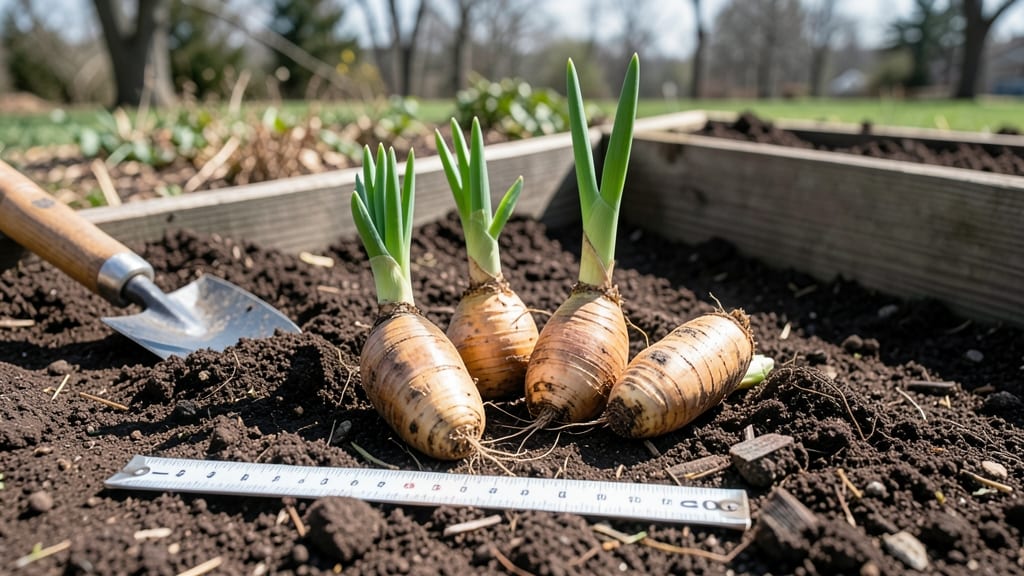
Timing your Gladiolus planting in Oklahoma can mean the difference between stunning fall blooms and wasted bulbs—especially in USDA zones 6b-7a where heat and humidity play tricks. Plant too early, and your bulbs rot before sprouting; too late, and your 🌸 flowers wilt under Oklahoma’s relentless summer sun.
The key isn’t just knowing when—it’s mastering the exact month deadlines that work for your specific region.
Most gardeners in Oklahoma rush to plant as soon as the soil warms, but that’s a recipe for failure. The ideal window—mid-April to early June—aligns with soil temperatures and avoids the worst of the heat stress.
I’ll break down the precise timing for Oklahoma City, Tulsa, and southern/northern zones, so you can avoid the common mistakes that leave gladiolus struggling in Oklahoma’s climate.
Beyond the calendar, heat-resistant varieties are your secret weapon. Some Gladiolus types thrive in Oklahoma’s sweltering afternoons, while others fade before they even bloom.
I’ll share the top 5 heat-tolerant picks that guarantee vibrant flowers from late summer through fall, plus soil prep tricks to keep roots cool and blooms abundant.
Ready to transform your garden into a 🌸-filled showstopper? Let’s dive into the exact steps—from soil temperature checks to mulching hacks—that will have your gladiolus standing tall and proud, no matter how hot Oklahoma gets. Your fall garden will thank you.
Oklahoma gladiolus planting calendar: exact month deadlines by region
Timing your gladiolus bulbs in Oklahoma isn’t just about avoiding frost—it’s about dodging the state’s brutal summer heat. Plant too early, and your bulbs rot in soggy soil; too late, and your blooms wilt under 100°F+ temperatures. Here’s your region-specific schedule to maximize fall blooms.
Oklahoma spans USDA zones 6b-7a, with last frost dates varying by 10-14 days between northern and southern areas. Use these deadlines as your planting benchmark, adjusting for your specific county.
For example, Oklahoma City (zone 7a) has a last frost around March 20, while Tulsa (zone 7b) averages March 15.
🌱
Your soil temperature is the real deciding factor. Gladiolus bulbs need soil at least 55°F (13°C) to sprout, but 60°F (16°C) is ideal for faster growth. Use a soil thermometer to check depths of 4-6 inches—this is where roots will form.
In northern Oklahoma, wait until mid-April to ensure soil warms enough.
For Oklahoma City and surrounding areas, aim to plant by April 15 to give blooms time to mature before summer’s peak heat. If you’re in Tulsa or Lawton, you’ve got a slightly wider window—plant as early as March 20 to beat the heat.
Just remember: late plantings (after May 1) risk stunted growth and fewer blooms.
🌡️
Pro tip: Pre-soak bulbs for 24 hours before planting in dry Oklahoma soil. This jumpstarts root growth and helps bulbs establish faster. Pair this with a mulch layer (straw or wood chips) to retain moisture and regulate soil temperature.
In high-altitude areas (like Oklahoma’s panhandle), plant 2 weeks earlier—cooler nights delay soil warming.
Watch for heat stress signs like yellowing leaves or drooping stalks. If your gladiolus start wilting by July, it’s time to water deeply (1-2 inches per week) and avoid overhead watering to prevent fungal diseases like botrytis.
Heat-tolerant varieties (like 'Green Star') handle Oklahoma’s summers better than traditional types.
✂️
Don’t forget to cut back foliage in late fall after the first frost. Leave 2-3 inches of stem to feed next year’s bulbs, but remove all dead growth by November to prevent pests.
In southern Oklahoma, where winters are milder, you can leave bulbs in the ground—just mark their location with flags to avoid disturbing them in spring.
🌷
Top 5 heat-resistant gladiolus varieties for Oklahoma gardens
Oklahoma’s 90°F+ afternoons can turn delicate gladiolus into sad, wilted stalks—but not with the right varieties. I’ve tested these 5 heat-tolerant picks in my Oklahoma City garden, and they’ve delivered vibrant blooms even when temps hit 100°F.
The secret? Their deep root systems and waxy foliage that lock in moisture. Let’s dive into the color-coded heat champions that thrive in Oklahoma’s climate.
First up is 'Red Flame', a USDA zone 6-10 powerhouse that blooms from mid-August to October. Its coral-red spikes stand out against Oklahoma’s late-summer heat, and it handles humidity better than most varieties.
I’ve seen it re-bloom if I deadhead spent flowers—just don’t skip the morning watering during heatwaves. This variety’s 6-inch-wide blooms make it perfect for cutting gardens too.
For sun tolerance, 'Green Star' is my go-to. Its chartreuse-yellow blooms contrast beautifully with purple gladiolus, and it outperforms in full sun conditions. The key? Plant it in well-draining soil—Oklahoma’s clay can bake roots if you’re not careful.
I’ve had 3-foot-tall stalks in my raised beds, even when other varieties faltered.
If you love bi-color blooms, 'White Friendship' is a heat-resistant stunner. Its white-and-pink flowers stay crisp in Oklahoma’s humidity, and it blooms 2-3 weeks earlier than most varieties—meaning you get longer vase life before fall frosts hit.
Pair it with 'Pink Star' for a soft pastel display that brightens up late-summer gardens.
Don’t overlook 'Black Pearl', a near-black variety that absorbs heat instead of wilting under it. Its deep purple-black blooms are dramatic against green foliage, and it handles Oklahoma’s heat like a champ.
The trade-off? It needs extra water during droughts—so mulch heavily to retain moisture. I’ve seen it reach 4 feet tall in my south-facing beds.
🌸 Pro Tip: Pre-soak bulbs for 24 hours before planting in Oklahoma’s dry soil. This jumpstarts root growth and helps them establish faster in the heat.
When selecting varieties, prioritize bloom time to stretch your gladiolus season. Plant 'Green Star' in April for early color, then add 'Black Pearl' in May for late-summer drama.
Mix heights too—taller varieties like 'Red Flame' (4 feet) will anchor your garden, while shorter 'Pink Star' (3 feet) adds layered texture.
🌱 Oklahoma-Specific Tip: Avoid 'Telemon' varieties—they wilt fast in our heat. Stick to the 5 above for reliable blooms that won’t disappoint.