
Plants
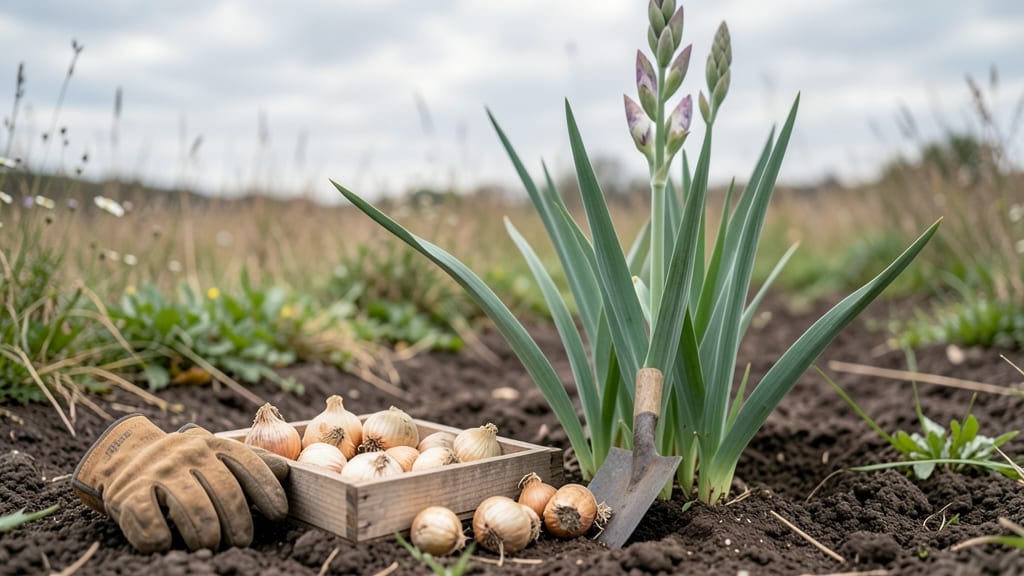
Timing your gladiolus bulbs planting in Indiana can mean the difference between a stunning summer garden and a sad, frost-nipped disappointment. These tall, show-stopping flowers (🌸) need that perfect window—too early, and a late frost will turn your hard work to mush; too late, and you’ll miss peak bloom season.
If you’re in USDA Zone 6a, like most of Indiana, the sweet spot is mid-April to early May—when soil temps hit 60°F+ and the last frost date (around April 15) is safely behind you.
But here’s the kicker: even if your neighbor swears by early March planting, their microclimate might not match yours.
In this guide, I’ll break down the exact frost-free timeline for Indiana, plus pro tips to prep your soil, space those bulbs just right, and keep your glads thriving until late summer. No more guessing—just bold, healthy stems and vibrant blooms from August to October.
Ready to grow glads that turn heads? Let’s get those bulbs in the ground the smart way—no frost damage, no wasted effort. Your summer garden will thank you.
Indiana gladiolus planting timeline: frost dates and soil temps
Indiana’s USDA Zones 5-7 mean gladiolus bulbs need precise timing to thrive. Planting too early risks frost damage, while late planting delays those stunning summer blooms.
The key? Wait until the soil warms to at least 60°F (15°C)—usually late April to early May—when the last frost has passed.
Gladiolus bulbs are tender perennials that won’t tolerate frost, so mark your calendar for Indiana’s average last frost dates: April 15 in southern Indiana and May 1 in northern areas.
Use this as your planting deadline—but aim for 4-6 weeks before to give roots time to establish before summer heat arrives.
For early blooms, choose fast-maturing varieties like ‘Picasso’ or ‘Green Star’ and plant in early April if your soil drains well. However, most gardeners in Indiana wait until mid-May for reliable success, balancing frost risk with bloom timing.
Here’s the critical window for Indiana gardeners: April 20–May 15. This gives bulbs time to root before summer’s high temperatures and ensures blooms appear by July or August, when they’ll steal the show in your garden.
| Stage | Action | Indiana Timeline |
|---|---|---|
| Soil Warm-Up | Wait for soil to reach 60°F (15°C) | Late April–Early May |
| Last Frost | Avoid planting before this date | April 15 (South)–May 1 (North) |
| Ideal Planting | Plant bulbs 4–6 weeks before summer heat | April 20–May 15 |
| Bloom Time | Expect flowers by mid-summer | July–August |
Indiana’s microclimates can shift planting times by 1-2 weeks. If you’re in a warmer southern county like Evansville, you might plant as early as mid-April. In cooler northern areas like Gary or Fort Wayne, wait until late April or early May to avoid frost.
Check soil temperature with a soil thermometer—gladiolus bulbs need consistent warmth to sprout. If your soil is still below 55°F (13°C), hold off planting. Cold soil slows root growth and makes bulbs vulnerable to rot.
Pro tip: Mulch after planting with straw or shredded leaves to keep soil warm and retain moisture. This helps bulbs establish faster, especially in Indiana’s variable spring weather. Just avoid mulching too early—wait until after planting to prevent excess moisture.
Once planted, gladiolus bulbs will sprout in 2-3 weeks if conditions are right. You’ll know you’ve timed it perfectly when tall, sturdy stems emerge by June, ready to burst into vibrant blooms by July. The effort pays off with cut flowers that last weeks in vases!
Remember: Indiana’s summer heat is intense, so planting too late (after mid-May) can stress bulbs before they bloom. Aim for that sweet spot of late April to early May for the best results.
Indiana gladiolus planting timeline: frost dates and soil temps
Indiana’s gladiolus planting window is narrow but sweet—aim for mid-April to early May when soil temps hit 60°F+. This aligns with USDA Zone 6a’s last frost date (April 15), giving bulbs time to root before summer heat arrives.
Planting too early risks frost damage, while waiting too long may delay blooms until late summer.
Your gladiolus bulbs need 4-6 weeks of frost-free growth to establish roots. In Indiana, that means starting 4-6 weeks before April 15—so mid-March to early April is your prep window. Use row covers if you’re eager to plant earlier in southern Indiana (Zone 7), where frost arrives later.
Soil temperature is your secret weapon. Gladiolus bulbs won’t sprout until the soil reaches 60°F. Check with a soil thermometer or wait until late April when daytime temps consistently stay above 55°F. Cold soil = stalled growth.
Here’s your Indiana gladiolus timeline at a glance:
| Stage | Action | Indiana Timeline |
|---|---|---|
| Soil Prep | Loosen soil, add compost | March - Early April |
| Plant Bulbs | 4-6" deep, 6" apart | Mid-April - Early May |
| Sprouting | Wait for soil to warm | Late April - May |
| Blooming | Full sun, consistent water | August - October |
| Post-Bloom | Cut stems, dig bulbs (optional) | October - November |
Northern Indiana (Zone 5b) gardeners should wait until early May to plant, as frost lingers longer. Southern Indiana (Zone 7a) can start as early as late March if using row covers for extra protection.
Always check your local frost-free date—Indiana’s varies by 5-10 days from north to south.
Pro tip: If you’re container gardening, plant bulbs 2 weeks earlier since pots warm up faster. Just ensure containers have drainage holes to prevent rot—gladiolus bulbs hate soggy soil. Mulch with straw after planting to keep roots cool and moist.
Remember, gladiolus bulbs are tender—they won’t survive Indiana’s first frost (October 20). If you’re growing late-blooming varieties, consider digging and storing bulbs in dry peat moss indoors after blooms fade. This extends their life for next year’s garden.