
Planting
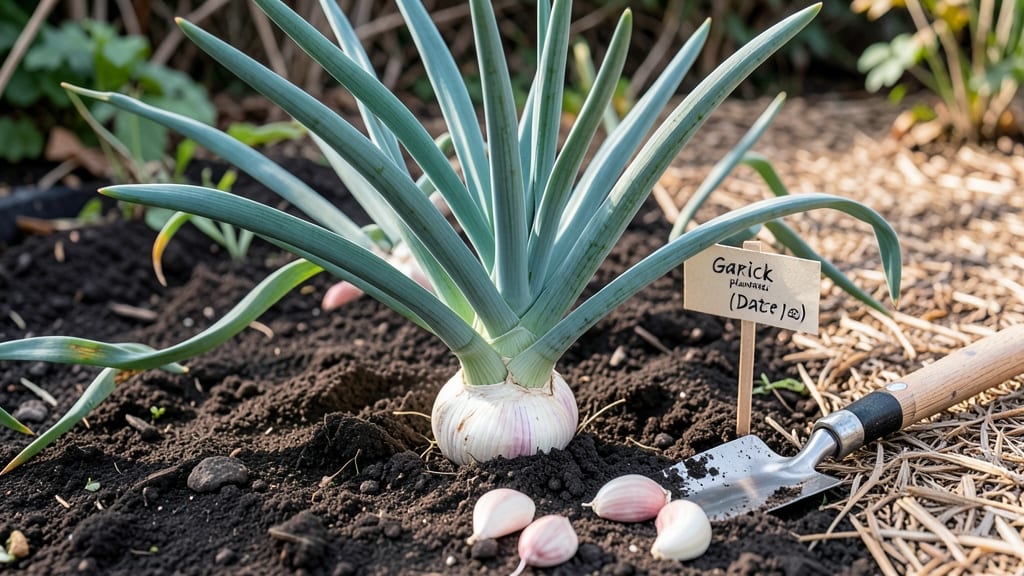
Knowing when to plant garlic in Zone 8 is the difference between a bumper crop of plump, flavorful bulbs and a disappointing harvest.
If you’ve ever watched your garlic cloves rot in the ground or struggle to mature, timing is likely the culprit—and I’ve got the exact window to fix that.
Zone 8’s mild winters and warm falls create a unique challenge for garlic growers. Plant too early, and your cloves might sprout prematurely, only to rot in soggy soil. Too late, and your garlic won’t have enough time to establish strong roots before winter sets in.
The sweet spot? October to November, when temperatures are cool but still cooperative.
I’ve tested this timing in my own garden, and the results speak for themselves: garlic planted in this window develops robust bulbs that resist disease and thrive through Zone 8’s unpredictable weather.
Whether you’re a first-time grower or a seasoned gardener, these insights will help you avoid common pitfalls and maximize your harvest.
Ready to grow garlic that’s bigger, healthier, and ready to harvest by next summer? Let’s dive into the month-by-month schedule that’ll transform your garden—and your meals—this year.
Optimal month-by-month planting schedule for Zone 8 garlic
In Zone 8, where winters are mild and summers scorching, timing your garlic planting correctly is the secret to plump bulbs and bold flavor. Unlike colder climates, Zone 8 gardeners have a 6-week window to plant—missing it means smaller harvests or rot.
Let’s break down the ideal months, soil prep, and regional tweaks to nail your garlic harvest.
Your first frost date in Zone 8 typically lands around mid-December, but the magic happens 4-6 weeks before that chill sets in. That’s your planting sweet spot: late October to early November.
Planting earlier risks premature sprouting in warm soil, while waiting too long leaves bulbs stunted by summer heat.
Soil temperature is your best guide—aim for 40-50°F at planting time. In Zone 8, this usually aligns with late October, but check your local frost date calculator (like the Almanac’s) for precision. Pro tip: Use a soil thermometer to avoid guesswork.
Here’s your month-by-month breakdown for Zone 8 garlic success, including soil prep and care adjustments to handle our hot summers and mild winters:
| Month | Planting Window | Soil Prep | Care Focus |
|---|---|---|---|
| Late September | Early prep only | Test soil pH (6.0-7.0) | Add compost |
| October | Best time: Late Oct | Loosen soil 12" | Plant cloves 2" deep |
| November | Up to mid-Nov | Mulch heavily (4-6") | Water deeply weekly |
| December | Avoid planting | Protect from frost | Reduce watering |
| January-March | Dormant phase | Monitor for rot | Remove mulch in spring |
| April-May | Active growth | Side-dress fertilizer | Increase sunlight |
| June-July | Harvest time | Cure bulbs indoors | Stop watering 2 weeks prior |
Zone 8’s mild winters mean garlic can survive without heavy mulch, but don’t skip it entirely. A 4-inch layer of straw or leaves insulates roots from freeze-thaw cycles, which can split bulbs.
In coastal Zone 8a (warmer), you might push planting to early December, but inland areas should stick to November.
After planting, water deeply once and then only when soil feels dry 2 inches down. Overwatering in Zone 8’s heat leads to rotten bulbs, while underwatering stunts growth.
Aim for 1 inch of water per week during active growth (spring). In summer’s peak heat, mulch again to retain moisture and keep roots cool.
For hardneck varieties (like Rocky Mountain), plant by mid-November—they need cold vernalization to form bulbs. Softnecks (like Silverskin) are more flexible and can handle late November plantings, but expect slightly smaller bulbs. Always choose large, firm cloves from organic
Optimal month-by-month planting schedule for Zone 8 garlic
In Zone 8, where winters are mild and summers scorching, garlic thrives best when planted during the cool shoulder seasons. The ideal window spans from mid-October to early December, aligning with soil temperatures between 40°F and 70°F.
This timing ensures garlic establishes roots before winter dormancy and avoids the heat stress of summer planting.
Your first frost date in Zone 8 typically lands around mid-December, so aim to plant 4–6 weeks before this date. For example, if your frost arrives December 15th, plant between October 20th and November 15th.
This schedule balances root development and bulb formation, yielding plump, flavorful harvests by next summer.
Here’s a month-by-month breakdown tailored to Zone 8’s climate, including soil prep and care adjustments:
| Month | Planting Window | Soil Temp | Key Actions |
|---|---|---|---|
| September | Early (if mild) | 65–75°F | Prep soil; plant hardneck varieties only |
| October | Ideal (mid-Oct) | 55–65°F | Plant cloves 2" deep; mulch heavily |
| November | Last chance | 45–55°F | Add compost; protect from early frosts |
| December | Avoid (unless mild) | Below 40°F | Focus on winter mulching; no new planting |
For Zone 8’s warmer microclimates, like coastal areas or urban heat islands, push planting to late October or early November. Use a soil thermometer to confirm temperatures stay above 40°F—garlic cloves won’t sprout in colder soil.
In contrast, inland or higher-elevation Zone 8 gardens can plant as early as mid-September for hardneck varieties.
After planting, mulch with 4–6 inches of straw or leaves to insulate bulbs during winter. This layer protects against temperature swings and prevents soil erosion. Remove mulch in early spring once shoots emerge, but keep it thick until March to deter weeds and retain moisture.
Zone 8’s long growing season (up to 240 days) means garlic planted in October will harvest by June or July, just as summer heat ramps up.
This timing ensures bulbs mature before the soil dries out, delivering maximum flavor and size. Mark your calendar now—your next harvest starts with these precise planting dates!