
Plants
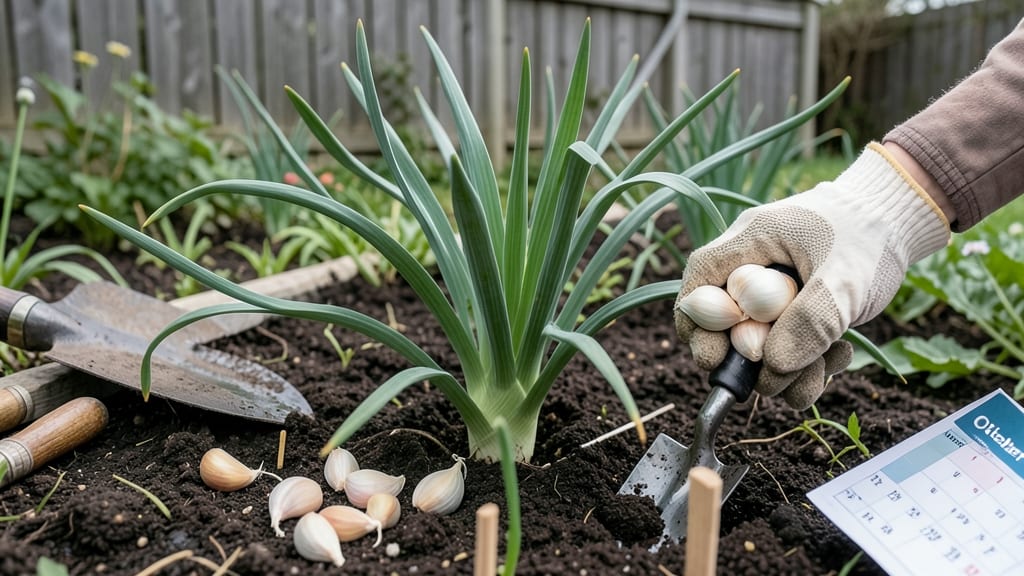
Planting garlic in Zone 10a might seem tricky—after all, your winters are mild and summers brutal, but timing is everything for those plump, flavorful bulbs. The key is planting during fall’s cooler months when temperatures dip just enough to kickstart growth without scorching your cloves.
If you’ve ever wondered why your garlic struggles to form bulbs, it’s likely because you planted at the wrong time. In Zone 10a (think Southern California or Phoenix outskirts), the sweet spot is October through December, when soil cools down—but not too much.
Too early, and heat stress zaps your crop; too late, and your garlic bolts before maturing.
Don’t stress—this guide breaks down the best window for planting, soil prep, and how to choose the right varieties (like heat-tolerant softnecks) to thrive in your climate.
Whether you’re a first-timer or a seasoned gardener, these tips will help you grow garlic that’s bigger, stronger, and ready to harvest by summer.
Ready to turn your garlic dreams into reality? Let’s get those cloves in the ground at the perfect time for Zone 10a success.
Optimal planting months for garlic in Zone 10a: a cool-season strategy
In Zone 10a, where winters stay above 40°F and summers hit 90°F+, garlic needs a cool-season strategy to thrive. Unlike colder zones, you can’t rely on frost to signal planting time—garlic here must avoid summer heat stress while still completing its 270–300-day growth cycle.
The sweet spot? Planting 6–8 weeks before summer’s peak, typically in October through November, when soil temps hover between 60–70°F.
Hardneck varieties (like ‘German Red’) need cooler temps to form scapes, while softnecks (like ‘Artichoke’) tolerate warmth better. In Zone 10a, softnecks often outperform hardnecks, but both can succeed with the right timing.
The key is to plant early enough for bulbs to mature before heat stress kicks in, yet late enough to avoid winter rains that can rot cloves.
Here’s how to balance these factors for maximum bulb size and flavor:
| Factor | Zone 10a Ideal | Why It Matters |
|---|---|---|
| Planting Window | October 15–November 15 | Avoids summer heat; aligns with cooler temps. |
| Soil Temperature | 60–70°F | Too hot (>75°F) causes bolting; too cold (<50°F) stunts growth. |
| Variety Choice | Softneck (e.g., ‘Silverskin’) | Heat-tolerant; stores longer than hardnecks. |
| Shade Needs | 30–50% coverage | Protects from afternoon sun; extends growing season. |
| Harvest Ready | June–July | Bulbs mature before summer heat peaks. |
If you plant in September, you risk heat stress by spring, while December plantings may not mature before summer. For hardnecks, aim to plant by November 15—any later, and scapes (the prized hardneck flower stalks) may form too early, diverting energy from bulb development.
Softnecks are more forgiving but still benefit from early planting to avoid summer wilting.
Raised beds can help by warming soil faster in fall, but mulch heavily with straw or compost to retain moisture and regulate temps.
In coastal Zone 10a (e.g., San Diego), cooler ocean breezes may allow slightly later plantings, but inland areas (like Phoenix outskirts) need earlier starts to escape summer’s intensity.
Pro tip: Use a soil thermometer to confirm temps are below 70°F at planting. If soil is too warm, delay until conditions cool—even a few degrees can mean the difference between success and failure.
In my Zone 10a garden, I’ve found that planting in early November consistently yields the largest bulbs, with harvests ready by late June.
For those who miss the ideal window, don’t despair. You can try a second planting in January, though bulbs will be smaller. The trade-off? You’ll avoid the worst summer heat, and the garlic will still be usable. Just expect 50–70% smaller bulbs compared to fall plantings.
Remember: In Zone 10a, garlic isn’t just about timing—it’s about managing heat stress. With the right variety, shade, and soil prep, you can turn your warm climate into a garlic-growing goldmine. Next, we’ll break down a month-by-month calendar to keep your garlic on track from planting to harvest.
🌱
Optimal planting months for garlic in Zone 10a: a cool-season strategy
In Zone 10a, the 6–8 week window before summer heat arrives is your garlic’s golden opportunity. Unlike colder zones, you’re not waiting for frost—you’re racing against soil temperatures above 70°F, which trigger bolting.
The ideal time to plant is October through December, when daytime highs hover between 60–75°F and nights dip below 60°F.
This timing ensures your garlic gets cool roots and warm days to kickstart growth without overheating.
Think of it as a balance act: too early (September), and your cloves may sprout prematurely in hot soil; too late (January), and your crop might bolt before forming bulbs. November is prime for most of Zone 10a, but coastal areas can extend planting into early December.
Here’s the critical rule: plant garlic 4–6 weeks before winter rains begin. In Southern California, this often aligns with mid-October to November 15. If you’re in inland areas like Phoenix, aim for October 1–November 1 to avoid the 100°F+ summers.
| Variety | Best Planting Window | Heat Tolerance | Bulb Size |
|---|---|---|---|
| Hardneck (e.g., ‘German White’) | October–November | Moderate (needs cooler winters) | Large (best for cold zones) |
| Softneck (e.g., ‘Silverskin’) | October–December | High (thrives in warmth) | Medium (long storage) |
| Elephant Garlic (e.g., ‘Inchelium Red’) | November–December | Moderate (needs consistent moisture) | Very Large (mild flavor) |
*Softnecks are your best bet for Zone 10a’s warmth.
For those who miss the October–November window, don’t despair. You can still plant garlic in January, but expect smaller bulbs due to the longer heat exposure. To extend your season, use shade cloth (30–50%) or plant in raised beds with afternoon shade.
These tricks lower soil temps by 5–10°F, giving your garlic a fighting chance.
Pro tip: Test your soil temperature before planting. Use a soil thermometer to confirm it’s below 70°F at a 4-inch depth. If it’s hotter, wait a week or two—your garlic will thank you with bigger, healthier bulbs.
Remember, the goal is to trick your garlic into thinking winter is coming, even in Zone 10a’s mild climate. With the right timing and a little patience, you’ll harvest plump, flavorful bulbs by June or July—just in time for summer cooking (or bragging rights)! 🧄