
Plants
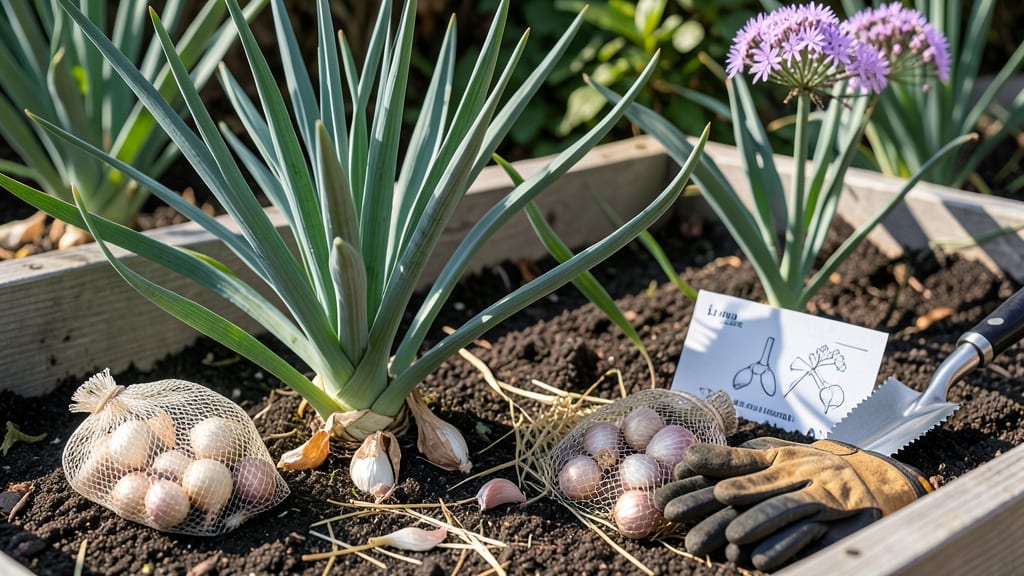
Timing your garlic planting in West Virginia isn’t just about the calendar—it’s about beating the frost and giving those 🧄 cloves the perfect head start. Plant too early, and they’ll rot; too late, and your harvest might never take off.
The ideal window is late September to October, when soil temps drop but the ground stays workable.
Why does this matter? Because West Virginia’s 6a climate means you’ve got just 165 frost-free days to grow garlic from a tiny clove to a plump bulb. Hardneck varieties, like the ones thriving in Appalachian gardens, need that early start to develop strong roots before winter sets in.
Here’s the game-changer: most gardeners in WV swear by planting in fall—not spring—because it mimics garlic’s natural cycle. But if you miss that window, don’t panic. We’ll break down how to adjust for your specific microclimate, whether you’re in the mountains or a valley.
Ready to avoid the 5 biggest mistakes that wreck WV garlic harvests? Let’s dive into the exact steps, from soil prep to frost timing, so you’re planting with confidence—not guesswork.
West Virginia garlic planting calendar: hardneck vs softneck months explained
West Virginia’s USDA zones 5-7 create a unique challenge for garlic growers. Unlike warmer states, timing must account for early frosts and cold winters. The key difference lies in garlic types: hardneck varieties thrive in cold climates, while softneck types prefer milder winters.
Let’s break down the best planting windows for each.
For hardneck garlic, the ideal planting window is late September to mid-October. This timing ensures cloves establish roots before the ground freezes but still experience winter cold—essential for bulb formation. In Zone 5 areas (like the northern panhandle), aim for mid-September to avoid early freezes.
Softneck varieties, like Artichoke or Silverskin, can tolerate slightly later planting. You have until early November in most of WV, but avoid planting after the first hard frost. These varieties store better long-term, making them popular for home gardeners who want garlic year-round.
Here’s what you need to know about soil temperatures and frost timing:
If you miss the fall window, you can plant garlic in early spring (March to early April), but yields will be 30-50% smaller. Spring-planted garlic lacks the cold vernalization period needed for optimal bulb development.
This is especially critical for hardneck varieties, which rely on winter cold to form scapes and bulbs.
West Virginia’s mountain regions (like the Allegheny Mountains) often experience earlier frosts than valleys. Adjust your planting date 1-2 weeks earlier in high-altitude areas (above 3,000 feet). Use a soil thermometer to confirm temperatures are below 40°F (4°C) before covering beds with straw mulch for winter protection.
Pro tip: Break apart garlic bulbs into individual cloves and plant the largest cloves for bigger harvests. Save the smallest cloves for next year’s planting stock. Label your rows if growing multiple varieties—hardneck and softneck have different harvest times.
Once planted, garlic requires minimal care until spring. Focus on weed control and a light mulch to protect cloves from freezing. In Zone 6b-7a (most of WV), you can expect harvests in late June to early July, just as summer heat ramps up.
Timing your garlic planting correctly in West Virginia isn’t just about the calendar—it’s about understanding your microclimate and garlic type. Hardneck varieties reward patience with scape production and robust bulbs, while softnecks offer storage flexibility.
Get it right, and you’ll enjoy homegrown garlic that rivals store-bought in flavor—and outlasts it by months.
How to adjust planting time based on West Virginia’s microclimates
West Virginia’s diverse geography—from the Allegheny Mountains to the Potomac River Valley—creates microclimates that can shift your ideal garlic planting window by weeks. In high-altitude areas (above 3,000 feet), like Monongahela National Forest, temperatures drop faster, demanding earlier planting.
Meanwhile, valleys near Charleston or Huntington may have 10-14 extra frost-free days, giving you flexibility.
Use this rule of thumb: for every 1,000 feet in elevation gain, adjust your planting date 3-5 days earlier. Mountain gardeners should plant hardneck varieties by mid-September, while valley gardeners can wait until early October.
Check local USDA frost maps or use a soil thermometer to confirm when temps hit 50°F (10°C)—the sweet spot for root establishment.
Here’s how WV’s microclimates break down:
Another critical factor is soil drainage. WV’s clay-heavy soils in areas like Morgantown can trap moisture, leading to rot if planted too late. Amend beds with compost or sand to improve drainage, especially in low-lying areas prone to spring flooding.
Test your soil’s pH—garlic thrives in 6.0-7.0 range. If your soil is too acidic (common in Appalachian forests), add lime 2-3 weeks before planting.
For gardeners in Zone 6b-7a (most of WV), focus on late September planting for hardnecks. If you’re in Zone 5 (northern panhandle), prioritize early September to avoid early snow.
Use black plastic mulch in late fall to insulate soil and extend the growing season by 2-3 weeks—perfect for mountain gardeners with short seasons.
Pro tip: Observe your neighbors’ gardens. Notice when tulips or daffodils bloom in spring—this indicates your last frost date. Adjust your garlic planting to ensure cloves are in the ground 6-8 weeks before those bulbs push through the soil.
In WV’s unpredictable climate, this natural cue beats relying solely on almanacs.
Remember, spring planting (March-April) is possible but yields 50% smaller bulbs. If you must plant in spring, choose softneck varieties like Silverskin, which tolerate warmer starts better. For hardnecks, spring planting often results in no bulb formation—the plants just grow leaves without storing energy in the bulb.
West Virginia’s microclimates reward gardeners who pay attention to local patterns. Whether you’re in the Allegheny Highlands or the New River Valley, fine-tuning your planting date by just a few days can mean the difference between a handful of cloves and a bushel basket of plump bulbs.
Start with your USDA zone, adjust for elevation, and watch your garlic thrive in WV’s unique growing conditions.