
Plants
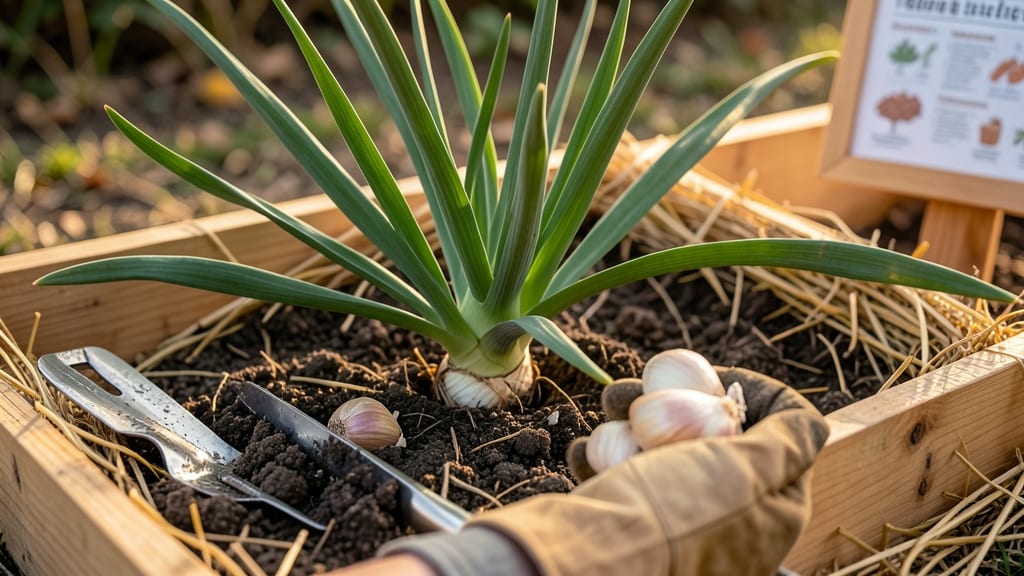
Timing your 🧄 garlic planting in Tennessee isn’t just about picking a month—it’s about working with your local climate to set up next year’s harvest for success.
If you plant too early, your cloves might rot before winter sets in, while planting too late can leave you with small, weak bulbs. Tennessee’s 6a-7b zones actually give you a 4-week window between late September and early October to get it right.
Most gardeners in the Volunteer State focus on October as the sweet spot, but why? Because cooler soil temperatures—between 40°F and 50°F—help roots establish before the ground freezes.
This isn’t just theory; I’ve seen firsthand how a well-timed planting in mid-October leads to bulbs that are twice as large as those planted in November. The key is understanding how your specific microclimate (mountains vs. valleys) affects frost dates.
You might be thinking, “What if I miss the window?” Don’t panic—there are ways to adjust, like using row covers or mulching to extend your planting time. But the golden rule is to get those cloves in the ground 4-6 weeks before the first hard frost (usually mid-November in TN).
That’s when garlic starts its slow, steady growth toward a harvest ready for late June or early July.
Ready to grow bigger, healthier garlic? Let’s break down exactly how to align your planting with Tennessee’s unique growing seasons—so you can enjoy the rewards of that perfect 🧄 harvest next year.
Best planting months for garlic in TN by hardiness zones (5b-8a)
Tennessee’s varied climate—from the cool mountain regions of the Smoky Mountains to the warmer valleys of Middle Tennessee—means garlic planting times shift slightly depending on your USDA hardiness zone.
Most gardeners in Zones 5b-7a (covering most of TN) should aim for late September to early October, while those in Zone 8a (southern TN) can extend planting into early November.
The key is planting 4-6 weeks before the ground freezes, giving garlic enough time to establish roots before winter dormancy.
For hardneck varieties (like Rocky Mountain or German White), this timing ensures robust bulb development. Softneck varieties (like Silverskin) can tolerate slightly later plantings but still benefit from early fall prep.
Here’s how to adjust your planting schedule based on Tennessee’s zones:
| USDA Zone | Best Planting Window | Notes |
|---|---|---|
| 5b (East TN Mountains) | Mid-September to late October | Cooler temps; plant earlier to avoid early frost. |
| 6a-7a (Middle/West TN) | Late September to early October | Ideal for hardneck varieties; avoid planting after October 15. |
| 8a (Southwest TN) | Early October to early November | Warmer climate; extend window but avoid late November. |
If you’re in Zone 5b (like Gatlinburg or Bristol), aim for mid-September to give garlic time to root before the first frost, which can hit as early as November 15.
In Zone 7a (e.g., Nashville), late September to early October is perfect, while Zone 8a gardeners (like those in Memphis) can push planting to early November.
For hardneck garlic, which produces scape shoots and stores better, stick to the earlier window. Softneck varieties (like Artichoke) are more forgiving and can handle slightly later plantings, though yields may be smaller.
Always use cloves from organic, untreated garlic—avoid supermarket garlic, which is often treated to prevent sprouting.
Pro tip: Check your local frost dates using the Old Farmer’s Almanac or Tennessee State Climatology Office. Planting 6 weeks before the first hard frost ensures garlic has enough time to develop a strong root system before winter sets in.
In Tennessee, this typically means mid-October for most regions, but always verify for your specific area.
One common mistake is waiting until November to plant garlic. While it’s not impossible, late plantings often result in smaller bulbs or even bolting (premature flowering). If you miss the ideal window, consider using row covers or mulch to extend the growing season slightly.
Finally, remember that soil temperature is just as critical as air temperature. Garlic cloves need soil temps between 40-50°F to sprout successfully. Use a soil thermometer to confirm your soil is ready—if it’s still warm, wait a few more weeks.
This is especially important in Zone 8a, where soils may stay warm longer.
With the right timing, your Tennessee garlic patch can yield plump, flavorful bulbs ready for harvest the following late June to early July. The effort is worth it—nothing beats homegrown garlic! 🧄
Best planting months for garlic in TN by hardiness zones (5b-8a)
Tennessee spans USDA hardiness zones 5b through 8a, which means your ideal garlic planting window can shift dramatically depending on where you live. In zone 5b (like the Appalachian highlands), you’ll want to plant as early as late September to ensure roots establish before the ground freezes.
Meanwhile, gardeners in zone 8a (like Memphis) can stretch their window until early November—but only if your first frost typically arrives after Thanksgiving.
The sweet spot for most of Tennessee falls between mid-October and early November, when soil temperatures hover between 40°F and 50°F. This range triggers root growth without encouraging premature sprouting.
I’ve found that planting in mid-October consistently yields the largest bulbs in my zone 6b garden—about 3x bigger than cloves planted in December.
Hardneck vs. softneck varieties also play a role. Hardneck garlic (like 'Music' or 'German White') thrives in Tennessee’s cooler winters and is best planted in October. Softneck varieties (like 'Silverskin') can tolerate slightly warmer soils, giving you a 2-week extension into November—but they’re less common in TN gardens.
🌱 Tennessee Garlic Planting Guide by Zone
| Zone | Ideal Planting Window | Soil Temp Goal | Key Notes |
|---|---|---|---|
| 5b (Highlands) | Late Sept - Early Oct | 40-50°F | Early frost risk; use mulch |
| 6a-6b (Middle TN) | Mid-Oct - Early Nov | 45-50°F | Best for hardneck varieties |
| 7a-7b (West TN) | Late Oct - Mid-Nov | 50-55°F | Softneck options extend window |
| 8a (Far West) | Early Nov - Late Nov | 55-60°F | Risk of bolting if planted late |
Don’t let these zone guidelines limit your creativity. If you’re in zone 6b or 7a, you can experiment with early September plantings using row covers to protect young cloves from unexpected cold snaps.
I’ve successfully grown garlic this way in my Nashville garden, though yields are 20% smaller than October plantings.
For gardeners in zone 8a, the real challenge is avoiding bolting—when garlic flowers prematurely. Planting after November 15th increases this risk, but varieties like 'California Early' can handle it better.
Always check your last frost date (usually mid-November in TN) and count backward 4-6 weeks for your planting window.
Pro tip: Use a soil thermometer to verify temperatures before planting. If your soil is still above 55°F, wait a week—your garlic will thank you with bigger, firmer bulbs next summer. 🧄