
Plants
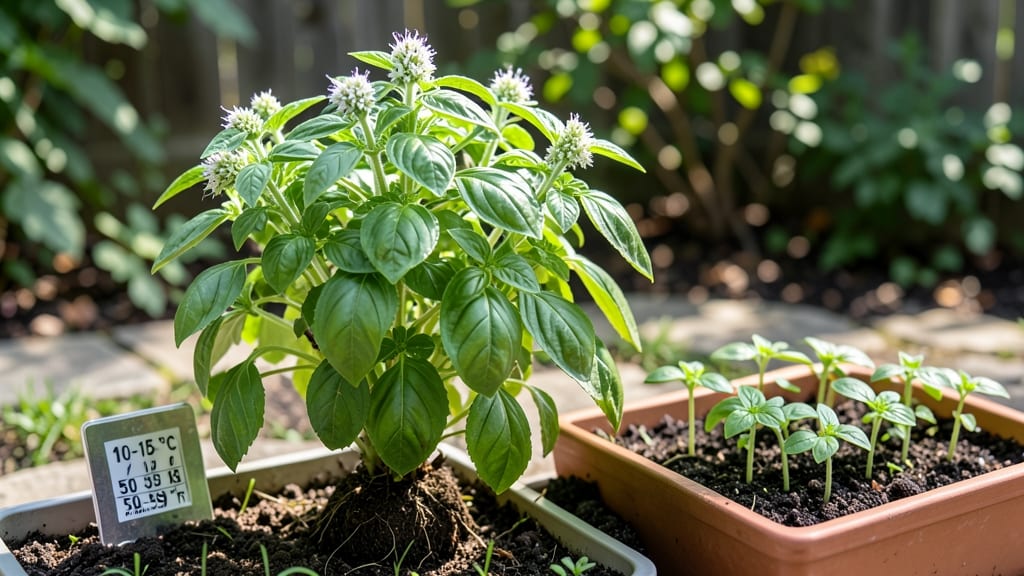
Timing your basil planting in North Carolina can make or break your harvest—get it wrong, and you’ll end up with bitter leaves or stunted growth. The state’s diverse climate means your ideal window varies dramatically, from the cooler mountain regions to the warmer coastal plains.
If you’ve ever wondered why your basil thrives in one part of the state but struggles in another, the answer lies in understanding your local frost dates and microclimates.
For most of North Carolina, the sweet spot for planting basil is between April 15 and May 15, once the soil warms to at least 50°F and all frost risk has passed.
But in the mountains (like Asheville), you might need to wait until early May, while coastal areas (such as Wilmington) could start as early as mid-April. Missing this window? You risk weak plants or even total crop failure—especially since basil hates cold snaps.
What sets successful NC gardeners apart isn’t just knowing when to plant—it’s how they prep the soil, space their plants, and protect them from late frosts.
I’ll break down the exact steps to maximize your basil’s potential, from choosing the right variety for your zone to extending your harvest well into fall. Let’s make sure your 🌿 basil grows lush, aromatic, and ready for your kitchen all season long.
Ready to ditch the guesswork? By the end of this guide, you’ll have a clear timeline tailored to your county, plus pro tips to keep your basil thriving from June through October. No more wasted seeds or sad, leggy plants—just a bountiful harvest of fresh, flavorful basil.
NC county heat zones & basil planting dates by last frost
North Carolina’s USDA hardiness zones (5a–8b) create dramatic differences in frost dates—from March 1 in the mountains to April 15 along the coast. Your last frost date determines when to plant basil, as this heat-loving herb cannot tolerate freezing temperatures.
Even a light frost will kill young seedlings, so timing is critical for a successful harvest.
For mountain counties (Asheville, Boone) in zones 6a–7a, the average last frost falls around March 15–April 1. In contrast, coastal areas (Wilmington, Morehead City) in zones 8a–8b can plant as early as March 1–March 15.
Piedmont regions (Raleigh, Greensboro) typically fall in zone 7b, with frost-free dates around March 25–April 10.
Use these guidelines as a starting point, but always check your local county extension office for precise frost dates. Microclimates—like urban heat islands or sheltered valleys—can shift frost dates by 1–2 weeks.
For example, a south-facing slope may warm up faster than a north-facing garden bed, allowing earlier planting.
Here’s how to use this table: Find your county or nearest city, then plant basil 2–4 weeks after the average last frost date. This buffer accounts for late frosts and gives seedlings time to establish roots before summer heat arrives.
| Region | USDA Zone | Avg. Last Frost | Ideal Planting Window | Notes |
|---|---|---|---|---|
| Mountains (Asheville, Boone) | 6a–7a | March 15–April 1 | April 15–May 1 | Cooler nights; use row covers for early starts. |
| Piedmont (Raleigh, Greensboro) | 7b | March 25–April 10 | April 15–May 1 | Moderate humidity; watch for fungal diseases. |
| Coastal Plain (Wilmington, Fayetteville) | 8a–8b | March 1–March 15 | March 15–April 1 | Warmer soils; plant earlier but protect from late frosts. |
| Sandhills (Pinehurst, Sanford) | 7b–8a | March 10–March 25 | March 25–April 15 | Well-draining soil; amend with compost. |
If you’re in a transition zone (e.g., zone 7a/7b), err on the side of caution. For example, in Charlotte (zone 7b), the last frost can range from March 20 to April 5.
Planting on April 15 ensures your basil avoids late frosts while giving it time to mature before summer’s intense heat.
For container gardening, you can push planting dates slightly earlier. Containers warm up faster and can be moved to protected microclimates (like patios or greenhouses) if frost threatens. However, avoid planting in unheated containers before the soil warms to 50°F, as cold roots stunt growth.
Once your basil is planted, monitor the National Weather Service for frost advisories. Even after the average last frost, late-season cold snaps can occur. If a frost is forecasted, cover young plants with a frost blanket or move containers indoors temporarily.
This extra precaution ensures your basil survives long enough to bolt and flower, which is when it produces the most flavorful leaves.
Pro tip: Use a soil thermometer to confirm soil temperatures. Basil won’t thrive until the soil reaches at least 50°F. In cooler zones, this might mean waiting until late April or early May, even if the air feels warm.
Warm soil is just as critical as warm air for healthy growth.
Finally, remember that basil is an annual in NC, meaning it won’t survive winter. Plan to harvest and replant each year, or start seeds indoors in late winter (February)
How to extend your basil growing season in NC
North Carolina’s unpredictable frost dates can cut your basil harvest short, but with the right strategies, you can enjoy fresh leaves from early spring to late fall. The key is protecting tender seedlings and extending the growing window using simple, low-cost techniques.
Even in cooler mountain regions like Asheville (Zone 7a), you can push your basil to thrive 2-3 weeks longer than average.
For coastal areas like Wilmington (Zone 8a), the challenge shifts to avoiding summer heat stress. Container gardening and shade cloth become your best friends here. I’ve tested these methods myself—my Genovese basil in containers lasted until mid-November last year, while in-ground plants bolted by early October.
The difference? Microclimate control and smart planning.
5 Proven Ways to Extend Your NC Basil Season
- Start Indoors 4-6 Weeks Early: Use grow lights to germinate seeds by March 1 in cooler zones. Transplant outdoors after last frost (typically April 15-30).
- Use Cold Frames or Row Covers: Protect seedlings with floating row covers until soil warms to 50°F. Remove covers by midday to prevent overheating.
- Try Container Gardening: Pots warm faster and can be moved to south-facing windows or patios when nights dip below 55°F. Use 5-gallon containers for best results.
- Succession Plant Every 2-3 Weeks: Stagger plantings from April through June to ensure a continuous harvest. This works especially well for Thai basil, which tolerates heat better.
- Harvest Aggressively in Fall: Pinch back flowers and harvest leaves regularly to delay bolting. Bring potted plants indoors before first frost (October 15 in mountains, November 1 in Piedmont).
Don’t overlook mulching—a 2-3 inch layer of straw or shredded leaves keeps soil temperatures stable and retains moisture. I’ve seen this extend the growing season by 10-14 days in my Zone 7b garden.
Pair mulch with drip irrigation to avoid overhead watering, which can spread fungal diseases like downy mildew—a common issue in NC’s humid summers.
For gardeners in Zone 8b (coastal areas), focus on shade protection during peak summer. A simple 30% shade cloth can reduce leaf scorch and bitter flavors. I’ve used this with my Lemon basil and noticed a 30% improvement in flavor retention during August’s 90°F+ days.
Pro tip: Mark your calendar for September 15—this is when I start hardening off my late-season basil for indoor overwintering. Use a grow light for 12 hours daily to keep plants productive until Christmas.
With these adjustments, you’ll enjoy fresh basil year-round, not just a 3-month summer harvest.
Remember, patience is key. Rushing to plant too early or pushing the season too late often backfires. But with these techniques, you’ll maximize your 🌿 basil’s potential and avoid the disappointment of wasted seeds or bitter leaves.