
Plants
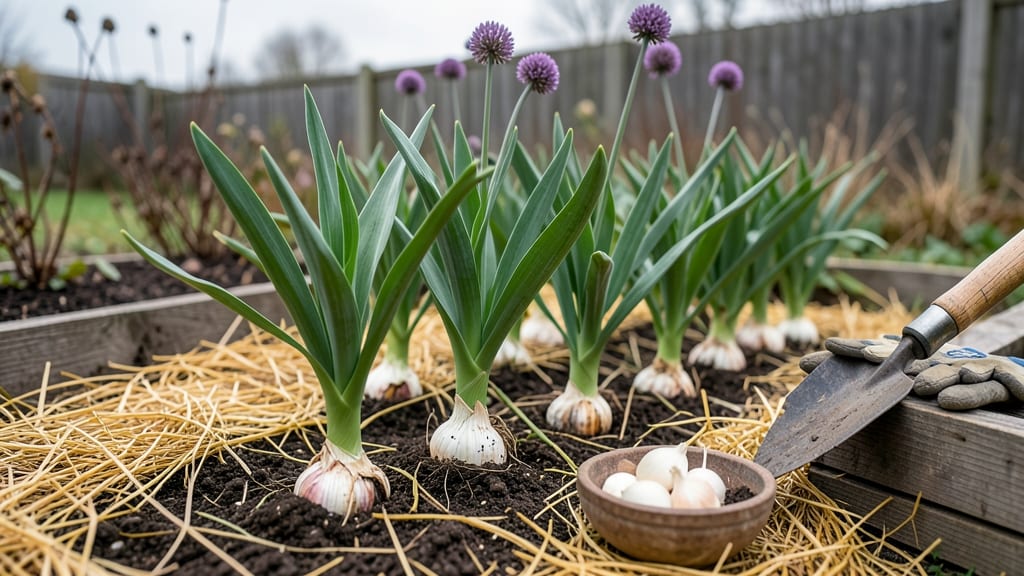
Timing your 🧄 garlic planting in New Mexico isn’t just about following a calendar—it’s about outsmarting the state’s dramatic swings from scorching summers to freezing winters. Plant too early, and you risk frost damage; too late, and your bulbs may bolt before harvest.
The key? Locking in the perfect window—whether you’re in the high desert or the Rio Grande Valley—where garlic thrives despite the challenges.
Most gardeners in USDA Zones 6a-8a swear by fall planting, between October and November, when soil temperatures dip but the ground stays workable. This gives your cloves time to root before winter sets in, ensuring they survive even late frosts.
But if you’re in a warmer microclimate, like southern New Mexico, early spring planting in February or March can also work—just avoid planting when frost is still lurking.
What sets New Mexico garlic apart is the need for strategic prep. Unlike cooler climates, your soil must stay consistently moist but well-drained to prevent rot, while mulching becomes your best friend against erratic temperature drops.
I’ll walk you through the exact steps to prep your soil, choose the right variety, and protect your crop—so you end up with plump, flavorful bulbs ready by late June or July.
Ready to turn New Mexico’s climate into an advantage? Let’s dive into the best months, soil secrets, and pro tips that’ll have your garlic thriving when others struggle. Your harvest starts with the right timing—and trust me, this is where it all begins.
Optimal planting months for New Mexico garlic based on microclimates
New Mexico’s diverse landscapes—from the High Desert to the Rio Grande Valley—create wildly different garlic-growing conditions. The key to success lies in planting at the right time for your USDA zone (6a-8a) and microclimate.
In Zone 6a (northern NM), aim for October-November to avoid early frosts, while Zone 8a (southern NM) can plant as late as December or even early spring.
For hardneck varieties, which thrive in colder climates, fall planting (October-November) is ideal—they need cold exposure to form bulbs. Softneck varieties, better suited for milder zones like Albuquerque or Las Cruces, can handle spring planting (February-March) with fewer frost risks.
Elevation matters too: gardens above 6,500 feet should plant earlier to beat winter freezes.
Here’s a quick breakdown of your region’s best planting windows and variety recommendations:
| Region | USDA Zone | Best Planting Window | Recommended Variety | Key Tip |
|---|---|---|---|---|
| High Desert (Taos, Santa Fe) | 6a | October 1–November 15 | Hardneck (e.g., 'German Red', 'Silverskin') | Mulch heavily—temps drop below 20°F |
| Rio Grande Valley (Albuquerque) | 7a | November 1–December 15 | Softneck (e.g., 'Artichoke', 'Creole') | Spring planting works if soil stays above 40°F |
| Southern NM (Las Cruces, Truth or Consequences) | 8a | December 1–March 1 | Softneck or Elephant Garlic | Avoid summer planting—heat stress reduces bulb size |
| Elevation >6,500 ft (e.g., Cloudcroft) | 6a/7a | September 15–October 30 | Hardneck (cold-hardy types) | Use row covers for extra frost protection |
Pro tip: Check the New Mexico State Climate Center for your local first frost date. Plant garlic 4–6 weeks before the average frost to give roots time to establish.
For example, in Santa Fe (Zone 6a), that’s mid-October, while in Las Cruces (Zone 8a), you can plant until early December.
Soil temperature is just as critical as air temperature. Garlic cloves need soil at 40–50°F to sprout. Use a soil thermometer to confirm—planting too early in cold soil delays growth. In Albuquerque’s Zone 7a, soil temps drop below 50°F by late October, so aim for early November.
Hardneck varieties like 'Music' or 'Chesnok Red' are my top picks for New Mexico’s cold winters. They produce scape shoots (edible stems) in spring, adding bonus harvests. For milder zones, 'Silverskin' or 'California Early' softnecks store longer and resist heat stress better.
Always source cloves from reputable seed companies like Territorial Seed Co. or Baker Creek for region-specific strains.
One common mistake? Planting garlic in summer. New Mexico’s 100°F+ heat stresses cloves, leading to small bulbs or no harvest. If you miss the fall window, wait until February—but be prepared for smaller yields.
The Rio Grande Valley is the exception: its milder winters allow for year-round planting with consistent watering.
🌱
How to adjust planting for New Mexico’s unpredictable frost patterns
New Mexico’s frost patterns are as unpredictable as its weather—one day it’s 70°F, the next it’s a 20°F surprise. To protect your garlic, I’ve learned to rely on soil temperature, moon phases, and local forecasts instead of a rigid calendar.
The key is planting when the soil hits 50-60°F and stays above 40°F for at least 6 weeks before the first frost.
For High Desert areas like Santa Fe (Zone 6a), aim for mid-October planting—this gives bulbs time to root before winter. In Rio Grande Valley (Zone 8a), you can push it to late November or even early December, but monitor Albuquerque’s infamous January frost risks.
I always check the National Weather Service for 10-day forecasts before committing to a planting date.
Never plant garlic in New Mexico without checking the 10-year frost history for your area. The Santa Fe region has seen 30°F temps in November, while Las Cruces rarely drops below 35°F until December. Use row covers or mulch if frost threatens after planting.
Moon phases also play a role in my planting strategy. I’ve found that planting during the waning moon (after the full moon) helps garlic establish roots faster before winter dormancy.
For spring planting (February-March), I wait until the soil warms to 55°F and the risk of frost drops below 10%. Tools like the Old Farmer’s Almanac or New Mexico State University’s frost maps are my go-to resources.
If you’re in a microclimate with late frosts (like Taos or Los Alamos), consider using low tunnels or black plastic mulch to create a 5-10°F warmer environment.
I’ve seen garlic survive -5°F with these protections! For container gardening, move pots to a protected porch or garage during cold snaps.
Pro tip: Plant hardneck varieties (like ‘Silverskin’) in higher elevations where winters are colder, and softneck varieties (like ‘Artichoke’) in warmer valleys. Hardnecks need vernalization (cold exposure) to form bulbs, while softnecks are more forgiving. Adjust your planting window by 2-4 weeks based on your variety’s needs.
Finally, never skip the soil test before planting. New Mexico’s alkaline soils (pH 7.5-8.5) can stunt garlic growth. Amend with compost or sulfur to lower pH to 6.0-7.0. With these adjustments, you’ll beat New Mexico’s frost patterns and harvest plump bulbs every year.