
Planting
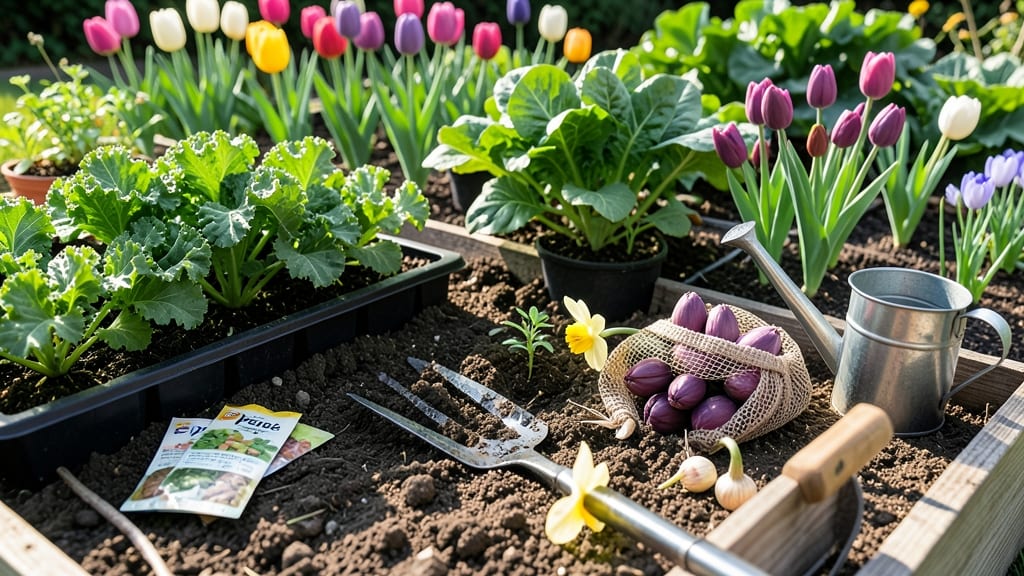
Timing your East Tennessee garden right isn’t just about luck—it’s about knowing when to plant 🌱 cool-season crops before the last frost or warm-season favorites after the soil warms up. Get this wrong, and your hard work could end up as a sad, frozen mess or bolted before harvest.
But with the right schedule, you’ll enjoy fresh veggies, blooming flowers, and lush herbs all season long.
East Tennessee’s 6a-7a climate means your planting window is tighter than you might think—last frost usually hits by mid-April, and first frost sneaks in around October. That’s why understanding these seasonal cues is the key to a thriving garden.
Whether you’re a first-time gardener or a seasoned green thumb, I’ll break down exactly when to start seeds indoors, transplant seedlings, and direct-sow your favorite plants.
Cool-season crops like spinach and peas love the chill of early spring, while tomatoes and peppers need to wait until the soil is toasty warm. I’ll show you how to work with your local microclimate—whether you’re in the cooler Smokies or the warmer Knoxville area—to maximize your harvest.
Ready to turn your garden dreams into reality? Let’s get planting!
From soil prep in February to succession planting in summer, you’ll learn the exact months to plant each type of crop for a continuous bounty. No more guessing—just a clear, foolproof schedule tailored to East Tennessee’s unique growing conditions. Let’s make this your most successful gardening season yet!
East Tennessee planting zones: what your last frost dates really mean
East Tennessee spans USDA Hardiness Zones 6b through 7a, where last frost dates can vary dramatically—from late March in Knoxville to early April in the Smoky Mountains. These dates determine when you can safely plant cool-season crops like broccoli or spinach without risking frost damage.
But don’t rely solely on averages: microclimates near lakes or valleys can delay frost by 1-2 weeks.
For warm-season plants like tomatoes or peppers, wait until 2-3 weeks after your area’s last frost date.
In East Tennessee, this typically lands in mid-to-late April, but mountain regions may need to wait until early May. First frost usually arrives between mid-October and early November, signaling the end of outdoor planting for most annuals.
Here’s how to use this data for your garden: Cool-season crops (e.g., lettuce, peas) thrive when planted 4-6 weeks before the last frost, while warm-season crops (e.g., cucumbers, beans) need soil temps of 60°F+ to germinate. Use row covers to extend early spring planting windows by 2-4 weeks.
🌱
| Region | USDA Zone | Avg. Last Frost | Avg. First Frost | Frost-Free Days |
|---|---|---|---|---|
| Knoxville | Zone 7a | Mid-April | Mid-October | 180-190 days |
| Asheville | Zone 7a | Late March | Early November | 190-200 days |
| Smoky Mountains | Zone 6b | Early April | Late October | 165-175 days |
Check your local Almanac’s frost predictions or use a soil thermometer to confirm when temps hit 50°F for cool-season crops or 60°F for warm-season crops.
In Zone 7a, you can even plant fall crops like radishes as late as early September, giving them time to mature before frost.
For perennials and trees, planting in early spring (March-April) or fall (September-October) gives roots time to establish before extreme temps. Bare-root plants should go in the ground 6-8 weeks before the last frost to avoid transplant shock.
Pro tip: Use frost cloth to protect tender seedlings during unexpected late frosts. In Zone 7a, this can buy you 2-3 extra weeks of planting time for heat-loving veggies like peppers or eggplants.
🌡️
Remember, elevation matters: Gardens at 2,000+ feet (like those in the Smokies) will have 1-2 weeks later last frost dates than valley regions. Always monitor your local weather and adjust planting dates accordingly for a bountiful harvest.
Cold-hardy vs heat-loving plants: the exact months to plant each
East Tennessee’s cool spring nights and hot summer afternoons mean you can’t just toss seeds into the ground whenever you feel like it.
Instead, you’ll want to plant cold-hardy crops like spinach and peas in early spring, while waiting until late May or early June for heat-loving plants like tomatoes and peppers. The key is understanding each plant’s temperature preferences—some thrive in the chill, while others need warmth to germinate.
For cool-season crops, start seeds indoors 4-6 weeks before your last frost (usually mid-March) or sow directly into the garden by early April. These plants can even handle a light frost, making them perfect for East Tennessee’s unpredictable spring weather.
Warm-season crops, on the other hand, need to wait until the soil reaches at least 60°F, which typically happens in late May or early June.
Here’s a quick breakdown of when to plant some of East Tennessee’s most popular vegetables, so you can plan your garden like a pro:
Succession planting is your secret weapon for a continuous harvest in East Tennessee. For example, sow lettuce every 2 weeks from April through July to keep enjoying fresh greens all summer. Similarly, beans and cucumbers can be planted in late May and again in July to stretch your growing season.
Don’t forget about fall planting! Many cool-season crops like broccoli and carrots can be sown in late August or early September for a harvest before the first frost. This gives you a second chance to enjoy fresh produce when summer’s heat starts to wane.
Timing your garden right means you’ll avoid the heartbreak of frost-damaged seedlings or bolted greens. With this schedule, you’ll be well on your way to a bountiful East Tennessee garden that keeps giving all season long. 🌱