
Plants
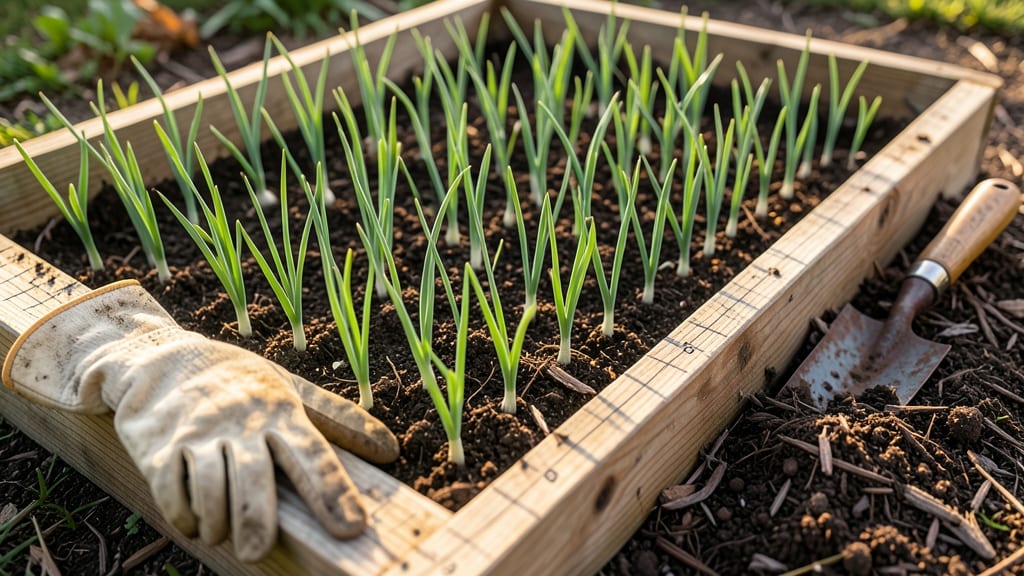
If you're wondering when do you plant onions in the fall, timing is the key to avoiding soggy, rotten bulbs by spring. Fall-planted onions can give you a jumpstart on next year's harvest—but only if you plant them at the right moment.
In USDA Zone 6a, like many northern gardens, the ideal window is 4-6 weeks before the first hard frost, typically between mid-September and early October.
Why bother with fall planting? These hardy varieties develop strong roots over winter, then burst into growth in spring with minimal summer care. The trick is choosing cold-tolerant types like Yellowstone or Crystal Wax, which handle frost better than tender summer onions.
Plus, you'll skip the summer heat stress that often stunts bulb development.
But here's where most gardeners trip up: planting too early or too late. Too soon, and your onions may bolt before winter; too late, and they won't establish roots before the ground freezes.
I'll walk you through the exact steps to time it perfectly, from soil prep to mulching techniques that protect your crop through December's first frost.
Ready to grow bigger, sweeter onions with half the summer work? Let's break down the 3 critical factors that separate successful overwintered onions from winter losses—so you can enjoy that first harvest of late summer 2025 with confidence.
Best fall planting timeline for onions by US hardiness Zones
Timing your fall onion planting depends on your USDA hardiness zone and first frost dates. Plant too early, and your onions may bolt before winter. Plant too late, and they won’t establish strong roots before freezing.
Aim for 4-6 weeks before the ground freezes—this gives your onions time to grow roots but not bulbs before winter dormancy.
In Zones 3-5, where winters are harsh, plant onions 6-8 weeks before the first hard frost (typically mid-September to early October). In Zones 6-8, with milder winters, you can plant 4-6 weeks before frost (late September to mid-November). Always check your local frost-free date to adjust timing.
Soil temperature is just as critical as frost dates. Onions thrive when soil temps are between 40°F and 60°F at planting. If your soil is too warm (above 70°F), onions may bolt prematurely. Use a soil thermometer to confirm conditions before planting.
Here’s how to align your planting with your zone for overwintering success:
If you’re in Zone 8 or warmer, you might even squeeze in a late fall planting (November) for an early spring harvest. Just ensure soil temps stay above 50°F to avoid stunting growth. In colder zones, prioritize early September plantings to avoid winter kill.
Pro tip: Use onion sets (small bulbs) for fall planting—they’re hardier than seedlings and establish faster. Transplants or seeds can also work but require extra care to survive winter. Always space them 4-6 inches apart to prevent disease and competition.
After planting, protect your onions with straw or leaf mulch (4–6 inches thick) to insulate roots from temperature swings. In extreme cold (10°F or below), add a row cover or frost blanket for extra protection. This layering keeps soil temps stable and prevents heaving.
Spring care is minimal—just remove mulch in late winter (when soil thaws) and water lightly to encourage regrowth. Your onions will resume growth as temperatures rise, often yielding larger bulbs than spring-planted varieties due to their head start.
Timing isn’t just about frost—it’s about giving your onions the perfect window to root before dormancy. With the right zone-specific approach, you’ll harvest sweeter, disease-resistant onions with minimal summer effort.
Cold-hardy onion varieties that thrive when planted in fall
Not all onion varieties survive winter—only the cold-hardy types make fall planting worth your time. These varieties prioritize root development over bulb growth in fall, then produce larger, sweeter bulbs the following summer.
My top picks for overwintering success include Yellowstone, Crystal Wax, and Red Baron, each with unique strengths for different climates.
For Zones 3-5, focus on Yellowstone and Copra, which tolerate sub-zero temperatures and still yield 2-3 inch bulbs. In milder Zones 6-8, Crystal Wax and Red Baron shine, offering mild, sweet flavors perfect for fresh eating.
Avoid tender varieties like Texas Early White—they’ll rot before spring.
When selecting varieties, prioritize day-neutral types—they won’t bolt in fall’s short days. Avoid long-day onions (like Texas Early White), which need summer’s long daylight to bulb properly. For Zones 3-4, Yellowstone is my go-to: it handles snow cover and still yields 3x larger bulbs than spring-planted varieties.
Pro tip: Buy onion sets (small bulbs) from reputable suppliers—they’re hardier than seedlings and establish faster in cold soil. Plant them 1 inch deep, pointy end up, and space 4-6 inches apart to reduce competition.
In Zones 6-8, you can also try transplants, but they need extra mulch to survive winter.
After planting, mulch heavily (4–6 inches of straw) to protect roots from temperature swings. In Zones 3-5, add a row cover during extreme cold snaps (10°F or below). This insulation prevents root heaving and ensures your onions wake up ready to grow in spring.
Spring care is minimal—just remove mulch in late winter (when soil thaws) and water lightly to restart growth. Your overwintered onions will resume growth faster than spring-planted ones, often yielding 20–30% larger bulbs with fewer pests.
For the best results, pair Yellowstone with Crystal Wax in your fall garden. The Yellowstone stores well, while the Crystal Wax stays crisp for fresh eating. Both thrive in full sun and well-drained soil, making them low-maintenance choices for busy gardeners.