
Planting
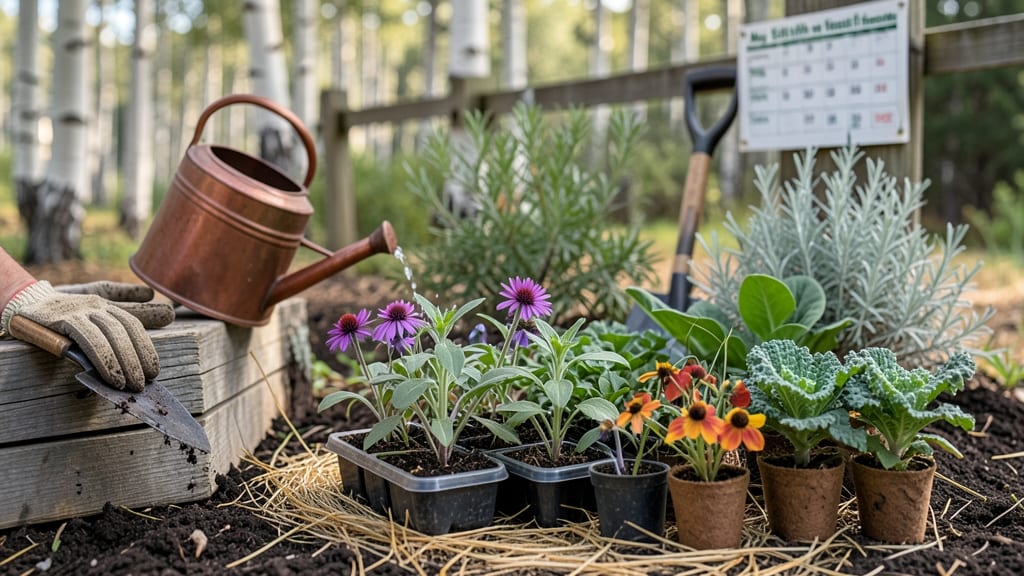
Knowing when to plant a garden in Colorado could mean the difference between a thriving harvest and a sad, wilted disappointment. With elevation shifts that dramatically alter frost dates, getting the schedule wrong can leave your 🌱 General Garden Plants struggling—or worse, never making it past the first frost.
Whether you're planting in Denver's dry heat or the cooler mountain valleys, knowing exactly when to put seeds in the ground is the key to success. From cool-season crops like kale to heat-loving tomatoes, each plant has its own ideal window—and missing it could cost you the season.
I’ve broken down the perfect planting calendar for Colorado’s USDA Zones 5-8, so you can avoid common mistakes and maximize your garden’s potential. Let’s get those seeds in the soil at the right time for a bountiful harvest.
From adjusting for microclimates to choosing the hardiest varieties, this guide will help you plan like a pro. Ready to transform your garden into a thriving oasis? Let’s dive in.
Colorado planting zones by elevation: key dates for vegetables, flowers & herbs
Colorado’s elevation extremes create unique planting challenges. While Denver sits in USDA Zone 5b, nearby Boulder can be Zone 6a, and mountain towns like Leadville drop to Zone 4a. These shifts mean your last frost dates can vary by 6+ weeks, forcing careful planning.
Let’s break down the critical zones and their planting windows so you can avoid frost damage or wasted effort.
Most Colorado gardens fall between 2,500–10,000 feet, spanning Zones 3–7. Lower elevations (e.g., Pueblo, 4,700 ft) enjoy longer growing seasons, while high-altitude areas (e.g., Steamboat Springs, 6,800 ft) face shorter windows.
Understanding these zones helps you pick the right cold-hardy crops and adjust transplant schedules. For example, tomatoes thrive in Zone 6 but struggle in Zone 4 without row covers.
For cool-season crops like lettuce or carrots, start seeds 4–6 weeks before your last frost date. In Zone 6 (e.g., Colorado Springs), that means mid-March, while Zone 4 (e.g., Leadville) waits until late April.
Warm-season crops like tomatoes or peppers need to wait until 2–3 weeks after your last frost—so early June in Denver but mid-July in mountain towns.
Pro tip: Use row covers or cold frames to extend your season by 2–4 weeks in higher elevations. These tools let you plant warm-season crops earlier or harvest fall crops later. For example, I’ve successfully grown broccoli in Zone 5 until mid-October with a simple hoop tunnel.
Don’t forget fall planting! Many Colorado gardeners overlook the second planting window for crops like spinach, radishes, or kale. Sow these 6–8 weeks before your first frost—so late July in Zone 6 and early August in Zone 4.
These late-season crops often produce sweeter flavors after a light frost.
If you’re unsure about your exact zone, check the
How to adjust planting for Colorado’s microclimates: sun, wind & soil tips
Colorado’s microclimates can turn your garden into a puzzle—one day it’s scorching in Denver, while the next, a mountain valley stays chilly. These variations mean your planting schedule might need tweaks even within a few miles.
Understanding how sun exposure, wind patterns, and soil conditions shift across your yard will help you fine-tune your approach for success.
For example, urban areas like Denver experience intense dry heat during summer, while foothills can have rapid temperature swings between day and night. High-altitude gardens (above 7,000 ft) often face shorter growing seasons and cooler soils.
Knowing these differences lets you pick the right plants and adjust your timing to match local conditions.
Here are my top strategies to adapt your planting for Colorado’s tricky microclimates:
-
🌡️ Soil Warming Tricks
Use black plastic mulch or dark-colored containers to warm soil faster in cool microclimates. This extends the growing season by 2-3 weeks for warm-season crops like peppers and tomatoes. -
🌬️ Windbreaks for Protection
Plant tall perennials (like sunflowers or corn) or install fencing on the windward side of your garden. This shields delicate plants from drying winds, especially in open areas. -
☀️ Sun Exposure Mapping
Observe your yard’s sunlight patterns for at least a week. South-facing areas get the most sun, while north sides may stay cooler. Adjust planting zones accordingly—leafy greens thrive in partial shade, while tomatoes need full sun. -
💧 Watering Adjustments
In dry microclimates, water deeply early in the morning to reduce evaporation. Use drip irrigation or soaker hoses to deliver moisture directly to roots, saving water and preventing fungal issues. -
🌱 Shade-Tolerant Crops
For areas with limited sun, choose plants like spinach, lettuce, or radishes that thrive in partial shade. These work well in urban gardens with buildings or trees casting shadows.
One of my favorite tricks is using row covers in early spring to protect tender seedlings from late frosts or strong winds. These lightweight fabrics raise soil temperatures by 5-10°F and shield plants from harsh elements, giving them a head start in cooler microclimates.
Don’t forget to monitor your garden’s performance throughout the season. If plants look stressed, it might be a sign they’re not adapted to your microclimate. Adjust by choosing hardier varieties or relocating containers to a more suitable spot.
With these tweaks, you’ll turn Colorado’s quirks into advantages for a thriving garden.