
Planting
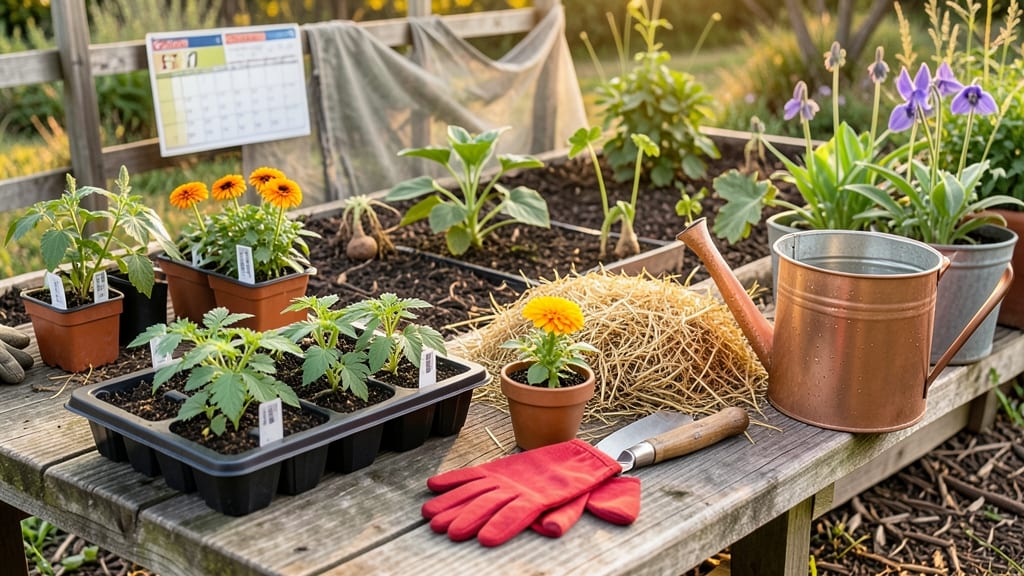
When to plant a garden in Colorado could mean the difference between a bumper crop and a sad, frost-nipped disappointment. The state’s dramatic elevation shifts—from 5,000 feet in Denver to 10,000+ feet in the mountains—throw off traditional planting guides, leaving even seasoned gardeners guessing. You’re not alone if you’ve stared at a seed packet wondering, “Should I plant these peas now or wait?” The answer depends on your exact location, elevation, and even last year’s weather. Colorado’s USDA Zones 5-7 might sound simple, but microclimates mean the last frost in Colorado Springs could be weeks earlier than in Boulder—and that’s before accounting for hail, late snow, or sudden heatwaves. Here’s the game-changer: a zone-specific planting timeline that accounts for Colorado’s quirks, from April’s unpredictable frost to August’s heat spikes. Whether you’re sowing 🌱 General Garden Plants in your backyard or a community plot, these deadlines will help you avoid the two biggest gardening sins—planting too early (and losing everything to frost) or too late (and ending up with tiny, bitter veggies). Let’s break down the exact weeks to plant by elevation, plus 3 pro tips to stretch your growing season when Mother Nature throws curveballs. Your harvest is waiting—don’t let Colorado’s weather trick you into missing the boat.
Colorado’s frost-free deadlines by elevation zone (2024 guide)
Colorado’s gardening calendar isn’t one-size-fits-all—your elevation zone dictates exact planting windows. The Front Range (Denver, Boulder) has 150–180 frost-free days, while the Western Slope (Grand Junction) stretches to 200+ days.
Mountain regions like Aspen or Telluride face shorter seasons (90–120 days), requiring careful planning. Always check your USDA Hardiness Zone (5–8) and local microclimates—urban areas can be 5–10°F warmer than rural spots.
For spring planting, aim for 2–4 weeks after your average last frost date. In fall, seed 6–8 weeks before first frost for harvests. Colorado’s altitude adjustments are critical: add 3–5 days per 1,000 ft above 5,000 ft.
For example, a 6,000 ft garden in Fort Collins may need to delay planting by 1–2 weeks compared to 5,000 ft in Colorado Springs.
Here’s a region-specific breakdown of frost-free windows, tailored to Colorado’s most common gardening zones. Use this as your planting timeline anchor—then adjust for your specific microclimate.
| Region | Avg. Last Frost | Avg. First Frost | Frost-Free Days | USDA Zone | Spring Planting Window |
|---|---|---|---|---|---|
| Front Range (Denver, Boulder, Fort Collins) | April 15–May 1 | October 1–15 | 150–180 days | 5–7 | May 1–15 (after frost) |
| Western Slope (Grand Junction, Durango) | March 15–April 1 | October 15–30 | 200–220 days | 6–8 | March 20–April 15 |
| Mountain Towns (Aspen, Telluride, Leadville) | May 15–June 1 | September 15–October 1 | 90–120 days | 4–6 | June 1–15 (short season!) |
| San Luis Valley (Alamosa, Great Sand Dunes) | April 1–15 | October 15–25 | 180–200 days | 6–7 | April 15–May 1 |
Colorado’s Western Slope (like Grand Junction) enjoys the longest growing season, with 200+ frost-free days. This means you can plant warm-season crops like tomatoes and peppers as early as March 20 and extend harvests into November.
In contrast, mountain towns like Aspen have only 90–120 frost-free days, so focus on fast-growing varieties and cold-hardy crops like kale or radishes.
For Denver and Boulder, the 150–180 frost-free days create a balanced window for both cool-season and warm-season plants. Start cool-loving crops (spinach, peas) in March under row covers, then transition to tomatoes and basil after May 1.
Use succession planting to stagger harvests—plant radishes every 2 weeks for continuous yields.
If you’re gardening in Colorado Springs or Pueblo, you’ll fall between the Front Range and Western Slope. Aim for April 15–May 1 last frost dates, but monitor soil temperatures—plants need 40°F+ for cool crops and 60°F+ for warm crops.
A soil thermometer ($10 at garden centers) is your best friend here!
Don’t forget fall planting! Colorado’s second growing season is often overlooked but just as productive. Seed 6–8 weeks before first frost—so in Denver (October 1), plant by August 1 for a September–October harvest. Spinach, carrots
How to adjust planting times for Colorado’s unpredictable weather patterns
Colorado’s weather is famously unpredictable—one day you’re planting peas in early April, and the next, a late frost wipes out your seedlings. The key to success isn’t just knowing your last frost date but also how to adjust for Colorado’s quirks, like sudden temperature swings or high-altitude microclimates.
I’ve gardened in Denver, Fort Collins, and the Western Slope, and I’ve learned that flexibility is everything.
Start by monitoring soil temperatures, not just air temps. A soil thermometer is your best friend—most cool-season crops like lettuce and peas need soil at 40°F or warmer, while warm-season crops like tomatoes and cucumbers demand 60°F+.
In Colorado, this can mean waiting 1-2 weeks longer than the average frost date, especially at higher elevations.
Here’s where row covers and cold frames become game-changers. A simple floating row cover can push back the last frost by 2-4 weeks, letting you plant spinach or kale in March instead of April.
For high-altitude gardens (7,000+ ft), consider a mini greenhouse or cold frame to start warm-season seedlings indoors in late March, then transplant after the May 15 average frost date.
Don’t forget about fall planting, which can extend your harvest well into October or November in lower elevations. Aim to plant cool-season crops 6-8 weeks before your first frost—so if your average first frost is October 15, start sowing spinach or radishes by August 15.
Use black plastic mulch to warm the soil in spring or straw mulch to insulate roots in fall.
Pro tip: Keep a gardening journal to track your local frost dates and plant performance. Over time, you’ll spot patterns—like how Boulder’s urban heat island might delay frost by a week compared to nearby foothills.
With these adjustments, you’ll turn Colorado’s unpredictable weather into a gardening advantage—not a roadblock. 🌱