
Trees
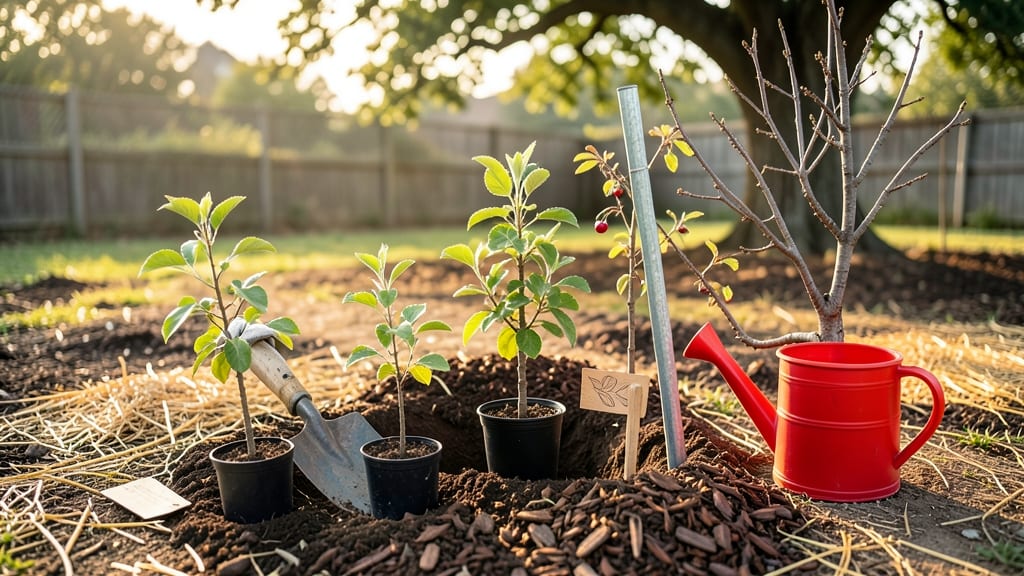
Planting fruit trees 🍎 in Illinois at the wrong time could mean years of waiting for fruit—or worse, watching your investment wither before it even takes root. The key isn’t just picking the right season, but matching your tree’s chill-hour needs to Illinois’ Zone 5-6 climate, where cold winters are just as critical as warm summers for fruit production.
Most gardeners assume spring planting is the only option, but fall actually offers cooler soil temperatures and less competition from weeds—giving young roots a head start. Whether you’re planting bare-root saplings in September or container-grown trees in March, timing affects everything from frost survival to harvest potential.
Let’s break down the best windows for planting—whether you’re growing high-chill apples or low-chill peaches—and how to avoid common mistakes that derail even the most promising orchards.
By the end, you’ll know exactly when to dig, which varieties thrive in your corner of Illinois, and how to set your trees up for years of abundant harvests.
Ready to turn your backyard into a productive orchard? The clock is ticking—literally—and these insights will help you plant with confidence, not guesswork.
Best planting months for Illinois fruit trees by chill-hour needs
Timing your fruit tree planting to Illinois’ Zone 5-6 climate and chill-hour requirements is critical for success. Most high-chill varieties (like apples and pears) need 600-1,000 chill hours, while low-chill types (peaches, plums) thrive with 300-500 hours.
Illinois’ winters reliably deliver these hours, but planting too early or late can stress roots or expose trees to frost heave.
For bare-root trees, the ideal window is late winter to early spring (February–April), when soil thaws but before buds swell. Container-grown trees offer more flexibility, allowing fall planting (September–October) to establish roots before winter dormancy.
Southern Illinois (Zone 6) has a slightly longer window, while northern areas (Zone 5) must act faster before frost.
Soil temperature is the key factor. Roots need 40°F+ soil to grow—wait for ground thaw in spring or 60°F+ air temps in fall. Use a soil thermometer to confirm readiness. Planting in waterlogged or frozen soil suffocates roots, leading to poor establishment.
Here’s how Illinois’ microclimates affect timing:
- Northern Illinois (Zone 5): Plant bare-root trees in March–April; container trees in September–early October.
- Central Illinois (Zone 5-6): February–March for bare-root; September–November for containers.
- Southern Illinois (Zone 6): January–April for bare-root; September–December for containers.
🌱 Illinois Fruit Tree Planting Guide by Chill-Hour Needs
| Variety Type | Chill Hours Needed | Best Planting Window | Soil Temp Requirement | Frost Risk |
|---|---|---|---|---|
| High-Chill (Apples, Pears) | 600–1,000 hours | Late Feb–April (bare-root) or Sept–Oct (containers) | 40°F+ (spring) / 60°F+ (fall) | High in Zone 5 |
| Low-Chill (Peaches, Plums) | 300–500 hours | Feb–March (bare-root) or Sept–Nov (containers) | 45°F+ (spring) / 55°F+ (fall) | Moderate in Zone 6 |
| Stone Fruits (Cherries, Apricots) | 500–800 hours | Late March–April (bare-root) or Oct (containers) | 40°F+ (spring) / 50°F+ (fall) | High in Zone 5 |
💡 Pro Tip: Mulch with 4–6 inches of wood chips after planting to retain moisture and regulate soil temperature.
Spring planting gives trees a full growing season to establish roots before winter, but fall planting allows roots to grow before dormancy—ideal for container-grown trees. In Illinois, late fall planting (November) risks frost damage, while early spring planting (January) may expose roots to freeze-thaw cycles.
For bare-root trees, soak roots in water for 1–2 hours before planting to rehydrate. Dig a hole twice as wide as the root ball but no deeper—planting too deep suffocates roots. Backfill with native soil (amend with compost if clay-heavy) and water deeply to eliminate air pockets.
Illinois’ last frost dates vary by region:
- Northern IL (Zone 5): April 15–May 1
- Central IL (Zone 5-6): April 1–April 15
- Southern IL (Zone 6): March 15–April 1
Post-planting care is just as critical as timing. Water deeply once a week for the first month, then taper to every 10–1
Best planting months for Illinois fruit trees by chill-hour needs
Illinois’ Zone 5-6 climate creates a delicate balance for fruit trees—too little winter chill, and your apples or pears won’t flower; too much spring frost, and young roots suffer.
The best planting windows hinge on chill-hour requirements (the number of hours below 45°F needed for dormancy) and soil temperature thresholds.
For high-chill varieties like apples and pears (requiring 600–1,000 hours), aim for late fall (September–October) when soil temps drop below 60°F but before ground freezes. Low-chill peaches or plums (200–400 hours) can tolerate early spring (March–April), but avoid planting when soil is still soggy from winter thaw.
Soil temperature is your secret weapon: Use a soil thermometer to confirm it’s 40–50°F before planting. In northern Illinois, this often means waiting until mid-October; in southern Illinois, late September works. Spring planting is riskier due to frost heave (soil expanding/contracting that uproots trees), but container-grown trees handle it better.
| Planting Window | Chill-Hour Range | Soil Temp Threshold | Frost Risk | Best For |
|---|---|---|---|---|
| Late Fall (Sept–Oct) | 600–1,000 hours | 40–50°F | Low (roots establish before freeze) | Apples, Pears, Cherries |
| Early Spring (March–April) | 200–400 hours | 45–55°F (thawed) | High (frost heave risk) | Peaches, Plums, Nectarines |
| Bare-Root Only (Feb) | All ranges | 35–45°F (dormant) | Moderate (plant ASAP) | All varieties (best for mail-order trees) |
Bare-root trees planted in February (while still dormant) are a gardener’s shortcut—just keep roots moist with damp burlap until planting. Container-grown trees, however, are more flexible and can go in throughout the growing season, though late summer (August) is ideal for minimizing transplant shock.
Pro tip: In northern Illinois (Zone 5), prioritize fall planting to avoid early spring frosts. Southern Illinois (Zone 6) can stretch planting into November, but stop by October 15 to ensure roots harden before winter.
Always check your local USDA frost map—a few degrees difference can mean the difference between thriving trees and sad statistics.
Timing isn’t just about months; it’s about microclimates. A sheltered spot near your home might stay warmer longer, while an exposed hilltop freezes faster. Observe your yard’s patterns for a season before planting—your future orchard will thank you.