
Trees
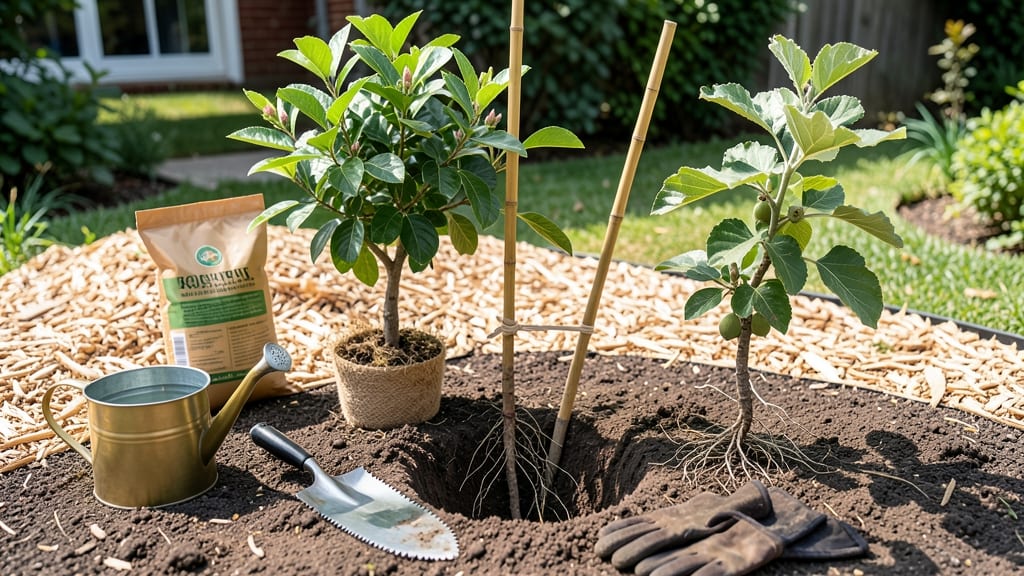
Planting fruit trees in Florida might seem simple—after all, you’re in a frost-free paradise—but timing can make or break your harvest. The wrong month could leave your 🍎 trees struggling with heat stress, pests, or poor root establishment, while the right window unlocks faster growth and bigger yields.
Florida’s year-round growing season means you can plant almost anytime, but late winter to early spring (January–March) is the sweet spot for most varieties. Citrus, avocados, and mangoes thrive when planted before summer’s brutal heat, while tropical trees like lychee benefit from cooler soil temps.
Even in zones 8a–11, a few key adjustments—like avoiding hurricane season or preparing for unexpected cold snaps—can save your orchard.
I’ve seen firsthand how a single misstep—like planting bare-root trees in summer or skipping soil prep—can derail years of effort. The good news? With the right strategies, you can extend your planting window, protect young trees from Florida’s quirks, and set up your orchard for decades of harvests.
Let’s break down the best months for each variety and how to avoid costly mistakes.
Whether you’re a first-time grower or a seasoned gardener, these insights will help you plant with confidence. From citrus to avocado, we’ll cover the optimal timing, regional tweaks, and post-planting care to keep your fruit trees flourishing—no matter where in Florida you live.
Best planting months for Florida fruit trees by variety
Florida’s tropical and subtropical climate lets you plant fruit trees almost year-round, but timing still matters. The ideal window is late winter to early spring, when soil warms and hurricane risks fade. However, citrus and avocado have different needs than mango or fig trees—each thrives in specific conditions.
North Florida’s cooler microclimates (Zone 8a-9a) favor early planting, while South Florida’s Zone 10-11 can handle summer starts. Below, I break down the best months for each variety, including soil temperature tips and regional adjustments to avoid transplant shock.
🌱 Pro Tip: Always check your local frost-free dates—even in Florida, unexpected cold snaps can damage young trees. For example, Zone 8a (like Jacksonville) may see light frosts in January, while Miami (Zone 11) rarely drops below 40°F.
| Variety | Best Planting Months | Soil Temp Requirement | Notes for Florida |
|---|---|---|---|
| Citrus (Orange, Grapefruit, Lemon) | January–March | 60–70°F | Avoid summer planting; citrus hates transplant shock in heat. |
| Avocado (Hass, Fuerte) | February–April | 70–80°F | South Florida can plant year-round; North Florida waits for soil warmth. |
| Mango (Julie, Tommy Atkins) | March–May | 75–85°F | Sensitive to cold snaps; use mulch in winter. |
| Fig (Brown Turkey, Celeste) | December–February | 55–65°F | Hardy in North Florida; drought-tolerant once established. |
| Peach (Bonanza, Redhaven) | January–February | 60–70°F | Only viable in North Florida; needs cross-pollination. |
| Lychee (Hong Kong, Brewster) | March–April | 75–85°F | Needs warmth year-round; protect from hurricane winds. |
For bare-root trees, Florida’s dry winter months (December–February) are perfect—they establish roots before the summer heat arrives. Container-grown trees, however, can be planted year-round, but avoid hurricane season (June–November) to prevent uprooting.
In North Florida (Zones 8a–9a), aim for January–February to let trees grow before potential late-winter frosts. Meanwhile, South Florida (Zones 10–11) can plant avocados and mangoes in spring to align with natural rainfall patterns.
One critical rule for all Florida fruit trees: amend sandy soil with compost or peat moss before planting. Florida’s native soil drains too quickly, leading to root dehydration. Mix in organic matter to retain moisture and nutrients.
If you’re planting dwarf varieties (like dwarf citrus or semi-dwarf avocado), follow the same timing but use larger containers (15+ gallons) for container growing. These trees need consistent moisture and protection from wind—critical in Florida’s coastal areas.
Finally, mulch heavily (3–4 inches of wood chips or pine straw) to regulate soil temperature and reduce weed competition. In South Florida’s heat, mulch also helps retain limited rainfall for young roots.
For tropical varieties like
Best planting months for Florida fruit trees by variety
Florida’s frost-free climate lets you plant fruit trees almost anytime, but the best months depend on the variety and your region. In North Florida (Zones 8a–9a), aim for January–February when soil temps are cool but warming—ideal for citrus, peaches, and avocados.
Meanwhile, South Florida (Zones 10a–11) gardeners can plant tropicals like mangoes and lychees year-round, though late winter still offers the gentlest transition.
Citrus trees—Florida’s iconic orange, grapefruit, and lemon varieties—thrive when planted in January or early February. This timing aligns with natural rainfall patterns and avoids summer’s brutal heat, which can stress young roots.
For avocados and mangoes, late winter to early spring (December–March) is ideal, as these trees benefit from cooler soil temps to establish roots before summer’s intensity.
| Variety | Best Planting Months | Soil Temp | Regional Notes |
|---|---|---|---|
| Citrus (Orange, Grapefruit, Lemon) | January–February | 55–75°F | Avoid summer; heat stress kills young roots. |
| Avocado | December–March | 60–80°F | South Florida: year-round; North Florida: late winter only. |
| Mango | January–February | 65–75°F | Container-grown mangoes can plant in summer with shade. |
| Fig | November–March | 50–70°F | Drought-tolerant; plant in cooler months for best root growth. |
| Tropicals (Lychee, Longan, Guava) | December–February | 60–75°F | Use shade cloth in summer; avoid hurricane season (June–October). |
For stone fruits like peaches and plums, stick to January–February in North Florida, where cooler temps mimic their native growing conditions. These trees need time to establish roots before summer’s heat sets in.
In Central Florida (Zones 9a–9b), you can extend the window slightly into early spring, but avoid planting after March when temperatures rise sharply.
One critical factor across all varieties is soil temperature. Use a soil thermometer to confirm temps are ideal before planting—most fruit trees need soil between 55–80°F, depending on the type. For example, citrus roots thrive at 60–75°F, while avocados prefer slightly warmer soil (65–80°F).
Planting when soil is too cold or too hot can lead to transplant shock or root rot.
If you’re planting container-grown trees (a great option for tropicals or urban gardens), you can push the timeline slightly. Containers moderate soil temps, allowing you to plant avocados or mangoes in late spring (April–May) as long as you provide afternoon shade during the first 3–4 months.
Just be prepared to move containers indoors or under cover if a cold snap hits—even in South Florida!
Pro tip: Bare-root trees (often sold in winter) must be planted immediately upon arrival. These trees are dormant and can’t handle delays—so plan your January–February planting window around their availability. For container-grown trees, you have more flexibility, but always water deeply before and after planting to reduce stress.
A 3-inch layer of mulch around the base helps retain moisture and regulates soil temps.