
Flowers
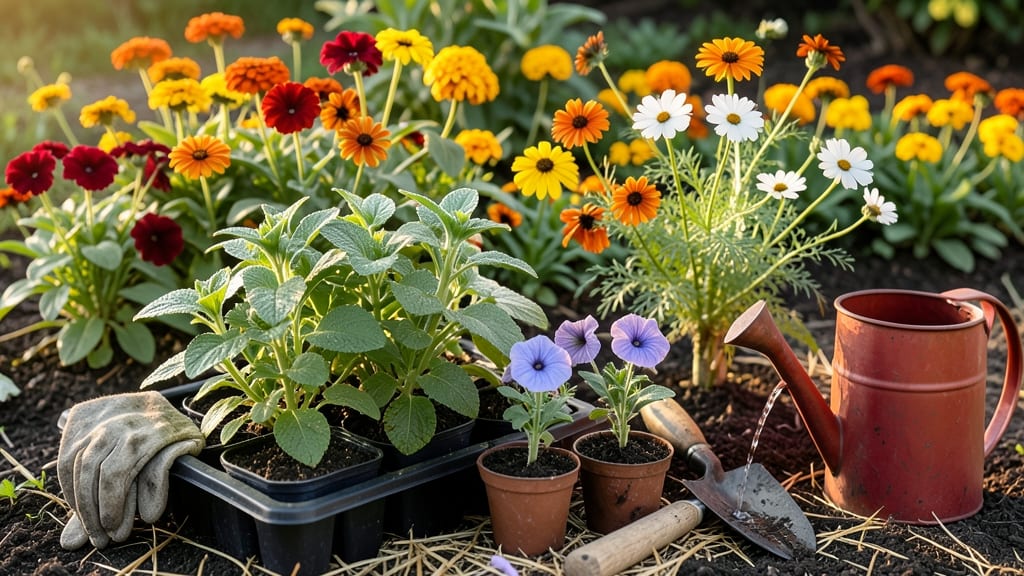
Timing your when to plant flowers in Rhode Island can mean the difference between a vibrant garden and a sad, frost-nipped disappointment. With Zone 6a weather that swings from icy winds to sudden heatwaves, getting the schedule right is everything.
I’ve learned the hard way—planting too early risks losing delicate blooms to late frosts, while waiting too long means missing summer’s peak color.
Rhode Island’s last frost date typically falls around April 15, but coastal areas like Newport can be weeks earlier than inland spots near Providence. That’s why knowing your microclimate matters more than just checking a calendar.
The key is balancing soil warmth with air temperature—annuals like marigolds can handle cooler soil, while perennials like coneflowers need to wait until the ground thaws completely.
Whether you’re a seasoned gardener or just starting, I’ll break down the exact windows for planting everything from spring bulbs to fall mums, plus how to adjust for Rhode Island’s tricky weather. By the end, you’ll know precisely when to dig in for zero-frost success—no guesswork, just blooms.
Ready to transform your yard into a year-round floral paradise? Let’s get those 🌸 planted on time—and keep them thriving through every season.
Rhode Island flower planting deadlines by type (Zone 5b frost dates)
Rhode Island’s Zone 5b climate means your flower planting success hinges on timing—especially around the average last frost date (April 15–May 15) and first frost risks (October 15–November 1). Annuals like marigolds and petunias need early starts, while hardy perennials like coneflowers can wait until after the last frost.
Bulbs like tulips and daffodils should go in the ground by November for spring blooms.
Miss these windows, and you risk frost damage or stunted growth. For example, planting tender annuals too early can lead to leggy, weak stems, while perennials planted too late may not establish strong roots before winter. The key is balancing soil warmth (aim for 60°F+) with frost-free forecasts.
Below is your Rhode Island planting timeline for annuals, perennials, and bulbs, broken down by type and season. Use this as your gardening calendar to avoid common mistakes like overcrowding or underwatering new plants.
| Plant Type | Planting Window | Notes |
|---|---|---|
| Annuals (e.g., Petunias, Marigolds) | 2–4 weeks before last frost (March 15–April 15) | Start indoors for earlier blooms; harden off before transplanting. |
| Perennials (e.g., Coneflowers, Black-Eyed Susans) | After last frost (May 1–June 1) | Wait for soil to warm to 60°F+; mulch after planting. |
| Spring-Blooming Bulbs (e.g., Tulips, Daffodils) | Fall (October 1–November 15) | Plant bulbs 6–8 weeks before ground freezes for spring blooms. |
| Fall-Blooming Bulbs (e.g., Chrysanthemums) | Spring (April 15–May 15) | Plant after last frost; water deeply to encourage root growth. |
| Heat-Tolerant Annuals (e.g., Zinnias, Sunflowers) | After May 15 (soil 70°F+) | Direct-sow after frost risk passes; thrive in summer heat. |
For annuals, the earlier you plant, the sooner you’ll see blooms—but only if the soil is workable. Use a soil thermometer to check temperatures; aim for 50°F+ for cool-season varieties like pansies or snapdragons. If your soil is still cold or soggy, wait a week or two.
Perennials, on the other hand, benefit from a longer establishment period. Planting them too early can lead to rot or weak stems from prolonged cool, wet conditions. Instead, wait until the last frost date has passed and the soil is consistently warm.
Bulbs are a special case. Spring-blooming bulbs like tulips need a cold period to flower, which is why they’re planted in fall. Fall-blooming bulbs, such as chrysanthemums, go in the ground in spring to establish roots before summer heat sets in.
Pro tip: Use row covers or cold frames to extend your planting season by 2–3 weeks in early spring or late fall. This is especially useful for tender perennials like lavender or rosemary, which can’t handle frost.
If you’re planting containers or window boxes, follow the same rules as in-ground planting, but monitor moisture more closely. Container soil dries out 3x faster than ground soil, so water daily until plants are established.
Remember: Rhode Island’s coastal areas (like Newport) often have warmer microclimates than inland spots (like Providence), so adjust your timeline by 1–2 weeks earlier if you’re near the ocean. Always check your local frost forecast before planting frost-sensitive varieties.
How to adjust planting times for Rhode Island’s microclimates
Rhode Island’s coastal charm hides a hidden gardening secret: its microclimates can shift planting times by 2–4 weeks. Coastal areas like Newport and Block Island enjoy milder springs, while inland spots near Providence or Woonsocket face colder pockets.
Even a 50-foot elevation change can delay frost by 10 days—so don’t plant by calendar dates alone!
Wind exposure is another game-changer. Exposed shorelines dry out soil faster, forcing you to plant heat-loving annuals like lantana or portulaca earlier. Meanwhile, sheltered yards near treelines or stone walls stay cooler longer, ideal for frost-sensitive perennials like lavender or Russian sage.
Soil temperature matters just as much as air temperature. Use a soil thermometer—most flowers need 60°F soil to thrive. In coastal RI, this often happens by mid-April, while inland areas may wait until early May.
Pro tip: Test multiple spots in your yard; a sunny slope warms 5–10°F faster than a shady valley.
Coastal RI (Zone 6a-7a): Plant annuals 2 weeks earlier (March 15–April 1).
Inland RI (Zone 5b-6a): Wait until April 15–May 1 for frost-sensitive varieties.
Windward sides: Mulch heavily to protect young roots from drying winds.
Leeward sides: Avoid overwatering—soil stays moist longer.
Don’t overlook salt spray near the coast, which can stunt growth. If your garden faces ocean breezes, flush soil with rainwater (not tap water) after planting to rinse away residual salt.
For container gardens, use salt-tolerant varieties like petunias or verbenas, and elevate pots on feet or bricks to improve drainage.
Even within a single town, microclimates create planting zones. For example, East Greenwich’s inland areas might align with Providence’s schedule, while Middletown’s coastal sections mirror Narragansett’s.
Use your nearest weather station (check NOAA’s RI climate maps) to pinpoint your exact last frost date—it could be 2 weeks earlier than the statewide average!
For perennials, prioritize root establishment over early blooms. Plant daylilies or black-eyed Susans in late April inland or early April near the coast. If you’re unsure, start with slow-to-germinate seeds indoors by March 1 and transplant after May 1—this buys you a 3-week buffer against late frosts.
Remember: Rhode Island’s gardening rule isn’t just about dates—it’s about reading your land. Observe where dandelions bloom first (a frost-free sign) or track cherry blossoms in nearby parks.
These natural cues often beat almanac deadlines by a week or more. Happy planting—and may your microclimate work for you, not against you! 🌿