
Plants
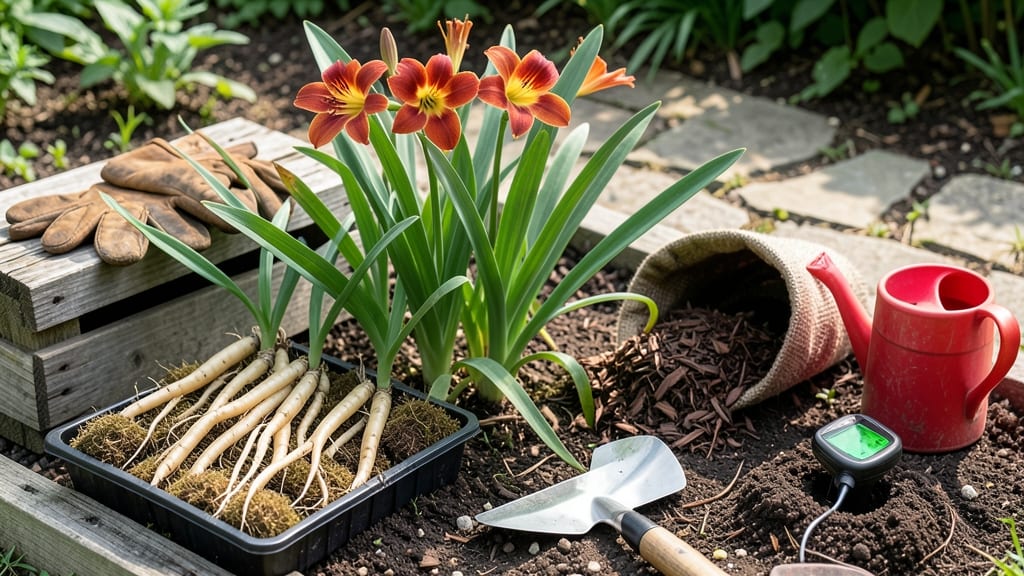
Timing your daylily 🌸 planting in Georgia isn’t just about the calendar—it’s about avoiding soggy roots in spring or frost damage in fall.
With Georgia’s 7a-9a zones, the difference between a thriving garden and a struggling one often comes down to soil temperature and frost-free deadlines you might not know.
Most gardeners in Georgia plant daylilies in early spring or fall, but the real secret lies in waiting until the soil warms to 55°F+—a threshold that varies by region.
Plant too early, and your daylilies may rot; too late, and you’ll miss the ideal window for root establishment before summer heat sets in.
In this guide, I’ll break down the exact planting windows for your zone, including when to prep soil and how to adjust for Georgia’s unpredictable weather.
Whether you’re planting in containers or directly in the ground, these insights will help you avoid common mistakes and get your daylilies off to the best start.
Ready to transform your garden? Let’s dive into the step-by-step deadlines that will keep your daylilies blooming beautifully year after year.
Georgia daylily planting deadlines by hardiness Zone (7a-8b)
Georgia’s USDA Zones 7a-8b create distinct planting windows for daylilies, where soil warmth and frost dates dictate success. In northern GA (Zone 7a), last frosts average March 15, while southern GA (Zone 8b) sees them as early as February 20.
Planting too soon risks root rot in cold, wet soil—wait until soil temperatures hit 55°F+ for 2+ weeks.
For spring planting, aim for March-April in Zone 7a and February-March in Zone 8b. Fall planting works best 6-8 weeks before first frost (typically September-October), giving roots time to establish before winter. Miss these windows, and you’ll face stunted blooms or winter dieback.
Here’s your zone-by-zone planting timeline, including critical deadlines and soil prep cues:
| Zone | Last Frost | First Frost | Spring Planting Window | Fall Planting Window | Soil Temp Threshold |
|---|---|---|---|---|---|
| 7a (North GA) | March 15 | November 15 | March 20–April 15 | September 1–October 15 | 55°F+ for 2+ weeks |
| 7b (Central GA) | March 1 | November 1 | March 1–April 10 | August 20–October 1 | 55°F+ for 2+ weeks |
| 8a (South GA) | February 20 | October 20 | February 15–March 30 | August 1–September 30 | 55°F+ for 1+ week |
| 8b (Coastal GA) | February 1 | October 10 | February 1–March 20 | July 20–September 15 | 50°F+ for 1+ week |
In Zone 7a, for example, planting after April 15 delays blooms until late summer—ideal for heat-loving varieties like ‘Stella de Oro’ but risky if summer drought hits. Meanwhile, Zone 8b’s earlier windows let you start in February, giving daylilies a head start before Georgia’s humid heat peaks.
Pro tip: Use a soil thermometer ($10 at garden centers) to confirm warmth. Stick it 4 inches deep (where daylily roots grow) for 3 consecutive days above 55°F. In clay-heavy Georgia soils, amend with compost to speed warming—this can shave 1-2 weeks off your planting timeline.
For container planting, timing shifts slightly. Containers warm faster than ground soil, so you can plant 2-3 weeks earlier than in-ground. Just ensure pots have drainage holes and use lightweight potting mix to prevent waterlogging—a common issue in Georgia’s heavy rains.
Missed the spring window? Don’t panic.
Soil temperature & daylily root health: when Georgia’s ground is ready
Georgia’s clay-heavy soils and unpredictable spring warmth can turn daylily planting into a guessing game. The key to success? Waiting until soil temperatures consistently reach 55°F+—a threshold that signals roots can establish without rotting in cool, damp ground.
Most gardeners rush to plant in March or early April, but premature planting often leads to yellowing leaves or stunted growth. In northern Georgia (Zone 7a), soil may stay too cool until mid-April, while southern regions (Zone 8b) might be ready by late March.
Here’s how to test soil readiness: Press your finger 2-3 inches deep—if the soil feels warm to the touch (like a lukewarm bath), it’s time to plant.
For extra accuracy, use a soil thermometer or the back-of-the-hand test (hold your hand near the soil for 10 seconds; if it’s comfortable, proceed).
- Signs of premature planting: Wilting, yellowing leaves, or mold on crowns.
- Solution: Wait 1-2 weeks or use black plastic mulch to warm soil faster.
Once soil is ready, organic mulches like pine straw or composted leaves help maintain warmth and moisture. In Georgia’s heat, mulch also reduces water loss by up to 30%, giving roots a stronger start.
Apply a 2-3 inch layer after planting, keeping it 2 inches away from crowns to prevent rot.
For container planting, use well-draining mixes with perlite or vermiculite to mimic Georgia’s fast-draining native soils. Containers warm up faster than ground soil, so you can plant 2-3 weeks earlier than in-ground daylilies—just monitor soil temperature closely.
Pro tip: If you’re in Zone 7a and facing late frosts, opt for early fall planting (September) instead. Daylilies planted in fall have 6-8 weeks to establish roots before winter, giving them a head start in spring.