
Trees
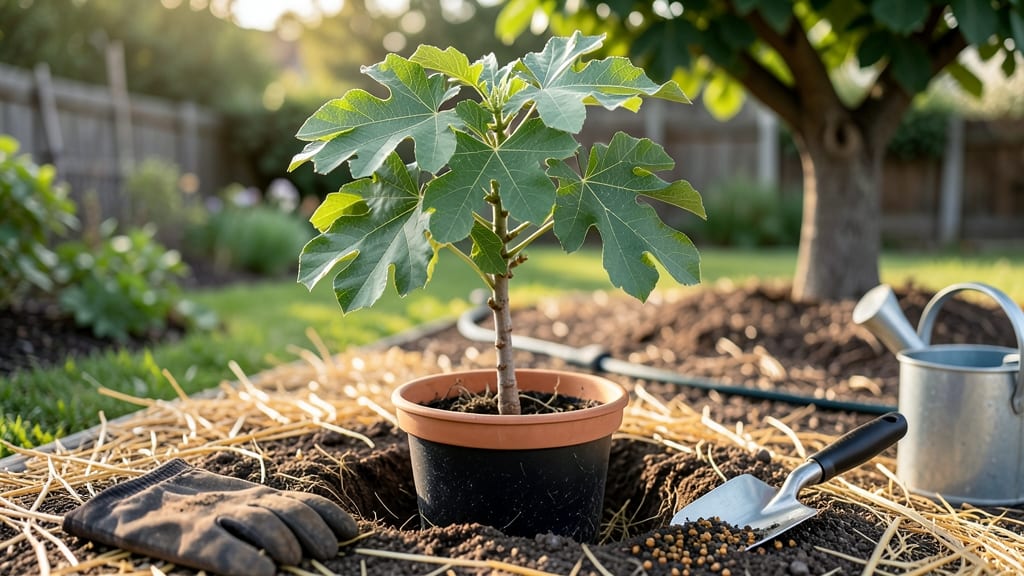
Planting a fig tree 🍈 in Georgia at the wrong time could mean watching your investment wilt before it even takes root—but timing it right guarantees fast growth and bountiful harvests.
The key lies in Georgia’s unique 7b-8b climate, where late winter or fall planting creates the perfect conditions for root establishment before summer’s heat or winter’s chill.
Most gardeners assume spring is the only safe window, but fall actually gives fig trees a head start by letting roots settle before winter.
I’ve seen Celeste and Brown Turkey varieties thrive when planted in September or October, avoiding the frost risks that can damage young trees if you wait too late in spring.
Whether you’re working with in-ground beds or containers, the right timing isn’t just about avoiding frost—it’s about maximizing Georgia’s 210 frost-free days.
I’ll walk you through the exact months that work best for your region, plus soil prep tricks to ensure your fig tree grows stronger and faster than ever.
Ready to skip the guesswork? Let’s dive into the best planting schedule tailored to Georgia’s microclimates—so you can enjoy homegrown figs in no time.
Best planting months for Georgia fig trees: frost-free timeline and root growth secrets
Georgia’s USDA zones 7b-8b create perfect conditions for fig trees, but timing is everything. Plant too early, and frost can damage tender roots. Wait too long, and your tree may struggle to establish before winter. The ideal window balances soil warmth and frost risk—here’s how to nail it.
Most gardeners in Georgia plant fig trees during two prime windows: late winter/early spring (March–April) or fall (September–October). Spring planting lets roots establish before summer heat, while fall planting gives trees a head start on root growth before dormancy.
Both strategies work, but your USDA zone and microclimate play a huge role.
🌱 Georgia Fig Tree Planting Timeline
| Zone | Last Frost | Best Planting Window | Soil Temp Goal |
|---|---|---|---|
| 7b (North GA) | March 15 | April 1–May 15 | 60°F+ |
| 8a (Central GA) | March 1 | March 15–April 30 | 55°F+ |
| 8b (South GA) | February 15 | February 28–March 31 | 50°F+ |
| Fall Planting (All Zones) | N/A | September 1–October 15 | 65°F+ |
✅ Pro Tip: Use a soil thermometer to confirm 55°F+ before planting—cold soil slows root growth by 50%.
For spring planting, aim for 4–6 weeks before your last frost date. In North Georgia (zone 7b), this means March 15–April 15. Warmer South Georgia (zone 8b) can start as early as February 28.
The key is soil temperature: fig roots need 55°F+ to thrive, and cooler soils delay establishment by weeks.
Fall planting offers two major advantages: less competition for water and time to establish roots before winter. Plant between September 1–October 15, giving roots 6–8 weeks to grow before dormancy.
This method works especially well for ‘Celeste’ and ‘Brown Turkey’ varieties, which handle Georgia’s mild winters better than tropical types.
If you’re in North Georgia (zone 7b), prioritize spring planting—fall frosts can still sneak in by November. Gardeners in Central and South Georgia (zones 8a–8b) have more flexibility, with fall planting often yielding faster growth the following spring.
Always check your local frost dates using the Georgia Climate Project or Almanac for precision.
Container-grown fig trees (potted varieties) adapt better to late spring planting (May) because their roots are already established. Bare-root trees, however, need soil temps above 55°F—planting them in May or June risks heat stress and poor root development.
For best results, stick to the spring/fall windows and amend your soil with compost to improve drainage.
Urban gardeners in Atlanta or Athens (zone 7b) should avoid fall planting entirely—late frosts are common by November. Instead, focus on spring planting and use mulch to insulate roots.
Coastal areas like Savannah (zone 8b) can plant year-round, but September–October still offers the best balance of warm soil and low pest pressure.
One critical mistake Georgia gardeners make? Planting fig trees too early in spring when soils are still cold. Roots grow 3x slower below 55°F, leaving your tree vulnerable to drought stress once summer hits.
Use a soil thermometer ($10 at garden centers) to confirm readiness—60°F+ is ideal for root zone development.
For fastest growth, combine fall planting with deep mulching (4–6 inches of straw or pine needles). This keeps roots 5–10°F warmer in winter, accelerating spring growth. In North Georgia, add a lightweight frost blanket over young trees in November to prevent root freeze.
Remember: fig trees in Georgia don’t need winter
Best planting months for Georgia fig trees: frost-free timeline and root growth secrets
Georgia’s 7b-8b climate gives you two prime windows to plant fig trees: late winter/early spring and fall. Most gardeners focus on spring, but I’ve found fall planting often yields faster root establishment because the tree settles in before winter dormancy.
The key is avoiding frost—North Georgia’s last frost typically hits around March 15, while South Georgia stays frost-free until March 1.
For spring planting, aim for March–April after the last frost. Soil temperatures should be above 60°F to encourage root growth. Fall planting, however, offers a hidden advantage: planting in September–October lets roots establish before winter, giving your tree a head start next spring.
I’ve seen Celeste figs planted in late September thrive with minimal winter stress.
| Planting Window | Frost Risk | Root Growth Benefit | Best For |
|---|---|---|---|
| March–April (Spring) | Low (post-frost) | Fast growth, summer harvest | Young trees, containers |
| September–October (Fall) | None (pre-frost) | Established roots before winter | Mature trees, in-ground |
| August (Early Fall) | Very low | Moderate root growth | Transplants, urban gardens |
If you’re in North Georgia (Zone 7b), stick to April–May for spring planting—earlier dates risk frost damage. South Georgia gardeners (Zone 8b) can plant as early as February without worry.
For fall, October is ideal across the state, but avoid planting after November 1, as roots won’t have time to establish before winter.
Pro tip: Test your soil temperature with a soil thermometer—fig trees need 65°F+ soil for optimal root growth. I’ve seen slower growth in cooler soils, even in frost-free zones. Amend clay-heavy Georgia soil with compost or sand to improve drainage and warmth retention.
Container growers have more flexibility—they can plant anytime the ground isn’t frozen, but moving pots indoors during winter is a must. For in-ground planting, fall is my top recommendation: the tree focuses on roots instead of leaves, setting it up for bigger harvests the following year.
Remember: Georgia’s 210 frost-free days are a gift—use them wisely! Planting at the right time means your fig tree will spend less energy recovering from transplant shock and more time growing fruitful branches.