
Plants
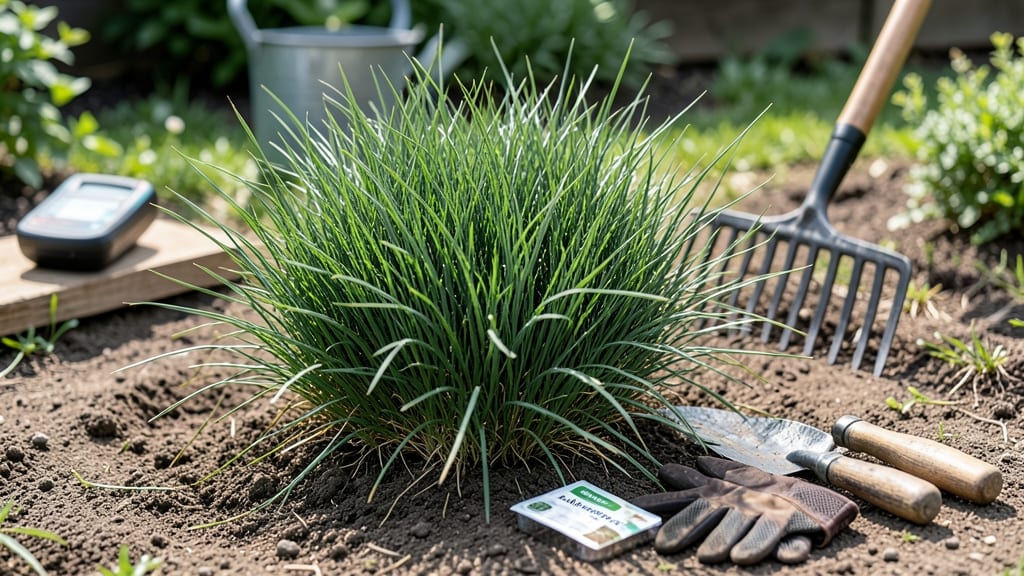
If you're dreaming of a lush, green lawn in Georgia, timing is everything—especially when it comes to planting fescue grass. The wrong window could mean struggling with heat stress or weak roots before winter sets in, leaving your yard looking lackluster.
Georgia’s 7b-8b climate demands precision: planting too early in summer means battling the heat, while waiting too long risks frost damage. The sweet spot? Late summer to early fall, when temperatures cool just enough for roots to establish strong before winter.
Let’s break down exactly when—and how—to plant for the best results.
You’ll discover why September and October are the gold standard months, how to prep your soil for Georgia’s unique conditions, and what to avoid during the hottest part of the year.
Whether you’re overseeding an existing lawn or starting fresh, these tips will help you skip the guesswork and grow a resilient, drought-tolerant yard.
Ready to transform your lawn? I’ll walk you through the step-by-step process, from choosing the right fescue variety to watering schedules that work with Georgia’s humidity and heat. Let’s get your grass off to the best possible start!
Georgia’s ideal fescue planting window: month-by-month breakdown
Timing your fescue grass planting is the single most important factor for a thriving lawn in Georgia. Unlike cool-season grasses that can handle some flexibility, fescue demands precision—especially in USDA Zones 7b-8b, where summer heat and winter freezes create a narrow window for success.
In Georgia, the optimal planting window spans from late August through October, when soil temperatures drop below 80°F but remain warm enough for root establishment.
This period ensures your grass avoids summer heat stress while still having 4-6 weeks to establish roots before the first frost (typically around November 15).
Let’s dive into the month-by-month breakdown, including how northern vs. southern Georgia affects your timing and what to watch for in each phase.
🌱
Georgia Fescue Planting Timeline
| Month | Best For | Soil Temp | Key Considerations |
|---|---|---|---|
| August | Northern GA | 75-85°F | Early window for cooler northern regions; water deeply to combat late-summer heat. |
| September | Best Month | 70-80°F | Ideal balance of warmth and cooling; 6-8 weeks until frost for root growth. |
| October | Southern GA | 65-75°F | Last chance for southern regions; avoid planting if frost is imminent. |
| February | Spring Backup | 55-65°F | Northern GA only; higher risk of drought stress in spring. |
| June-July | Avoid | 90°F+ | Extreme heat causes seed dormancy; germination rates drop below 50%. |
August is your first opportunity in northern Georgia, where cooler temperatures arrive earlier than in the south. Aim to plant by mid-August to give seeds time to germinate before the heat peaks.
In southern Georgia (Zone 8b), wait until late August or early September—planting too soon risks seeds drying out in the intense summer sun.
September is the gold standard for fescue planting across the state. Soil temperatures hover around 75°F, warm enough for germination but cool enough to prevent heat stress. This month also aligns with Georgia’s average rainfall patterns, reducing the need for supplemental irrigation during critical early growth stages.
If you miss the fall window, northern Georgia offers a limited spring opportunity in February. However, this is riskier due to spring droughts and higher evaporation rates. For southern Georgia, spring planting is not recommended—the heat arrives too quickly, and seeds struggle to establish before summer’s peak.
🌿
One critical mistake many Georgia gardeners make is planting fescue in June or July. While seeds may germinate, the 90°F+ soil temperatures trigger dormancy, and germination rates can plummet below 50%.
Even if seeds sprout, the resulting grass struggles to develop deep roots, leaving it vulnerable to winter freezes. Always check your local frost dates and aim to plant 4-6 weeks before the first frost.
Pro tip: Use a soil thermometer to confirm temperatures are below 80°F before planting. In Georgia’s heat zones, this often means waiting until late August at the earliest. For overseeding existing lawns, follow the same timing but reduce watering slightly to avoid over-saturating the soil.
Next, we’ll explore how Georgia’s microclimates and heat zones further refine your planting strategy—including how to adjust for drought risks and irrigation needs. Stay tuned!
How Georgia’s climate affects fescue success: heat zones and cool-season rules
Georgia’s 7b–8b climate creates unique challenges for fescue grass, where heat stress and humidity can derail even the best-laid planting plans. Unlike northern states, Georgia’s summers linger into October, making fall planting the safest bet—but even then, timing matters.
The key is understanding how your heat zone (7 or 8) and seasonal shifts impact root growth and survival.
In Zone 7b (northern GA), cooler nights arrive earlier, allowing late August to early September planting. But in Zone 8b (southern GA), where summers stretch longer, aim for September–October to avoid scorching. The goal? Give seeds 6–8 weeks to establish roots before the first frost (mid-November in most areas).
Here’s the catch: fescue is a cool-season grass, meaning it thrives when temps drop below 80°F. Planting in July or August risks heat stress, while waiting until November leaves roots vulnerable to winter freezes.
The sweet spot balances soil warmth (ideal: 60–70°F) and moisture retention, which Georgia’s humidity helps—but only if you plant early enough.
Avoid These Climate Pitfalls
- Planting in peak summer (June–July): Soil temps >85°F cause seed dormancy or fungal rot.
- Skipping soil prep in clay-heavy areas: Georgia’s heavy clay soils (common in southern GA) need sand/compost to prevent waterlogging.
- Overwatering after planting: Fescue roots rot in waterlogged soil—aim for 1 inch/week max.
Spring planting is possible in northern Georgia (February–March), but it’s riskier due to spring rains and pest pressure. If you choose this route, test soil moisture weekly—soggy conditions breed disease. For southern GA, spring planting is not recommended; the heat arrives too quickly for roots to establish.
Pro tip: Use a soil thermometer to confirm temps are below 80°F before planting. In Zone 8b, wait until mid-September to avoid summer’s lingering heat. Pair this with mulch (straw or pine needles) to retain moisture and shield seeds from intense afternoon sun.
Remember, fescue’s drought tolerance shines once established, but young grass needs consistent moisture. Georgia’s humidity helps, but drought spells (common in late summer) can stress seedlings. A drip irrigation system or soaker hoses are your best friends during dry spells.