
Plants
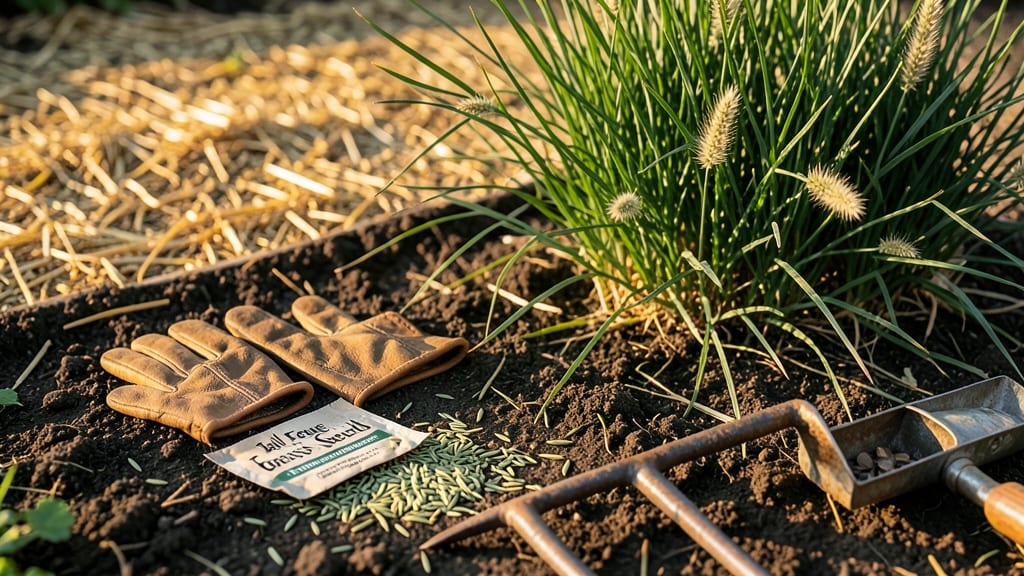
Planting fescue seed at the wrong time in Atlanta can turn your dreamy green lawn into a patchy, weak mess—especially when summer heat or winter frost catches you off guard.
The key to lush, deep-rooted fescue lies in timing it perfectly between late August and mid-October, when soil temperatures cooperate and the grass has time to establish before the first frost hits around November 15.
Why does this matter? Because Atlanta’s 7b-8a climate throws curveballs—humid summers can bake seeds before they sprout, while early falls might send chilly nights too soon.
I’ll break down the exact window when your fescue will thrive, plus how to prep your soil for strong root growth before winter sets in.
You’ve probably heard "fall is best," but not all falls are created equal. We’ll cover how to read your local microclimate—whether you’re in downtown Atlanta’s urban heat island or the cooler hills of Stone Mountain—to adjust your planting schedule.
Skip the guesswork and learn the proven steps to give your lawn the best shot at success.
Ready to transform your yard? Let’s dive into the science behind Atlanta’s ideal planting window and the simple checks you can do today to set your fescue up for a thicker, greener spring. Your future lawn will thank you!
Optimal fall planting window for fescue seed in Atlanta’s climate
Atlanta’s USDA Zone 7b-8a climate creates a 4-6 week fall window where fescue seed thrives—avoiding both summer’s scorching heat and winter’s dormancy risks. The ideal planting period spans from late August through mid-October, but timing is everything to ensure strong root establishment before frost.
Fescue seed needs soil temperatures between 60°F and 75°F for optimal germination. In Atlanta, this typically occurs when daytime highs drop below 85°F and nighttime lows stay above 50°F. Waiting until mid-September gives seeds time to germinate before cooler weather sets in.
Planting too early (before August) risks seed drying out from summer heat, while planting too late (after October) may leave roots vulnerable to winter dormancy. Aim for 4-6 weeks before your area’s first frost date (around November 15 in Atlanta) to maximize root growth.
Here’s why this window works best: cooler fall temperatures reduce water evaporation while maintaining enough warmth for seedling vigor. The shorter daylight hours also encourage deeper root penetration before winter.
🌱 Atlanta Fescue Planting Timeline
| Stage | Action | Soil Temp |
|---|---|---|
| Late August | Prep soil, test pH | 70-80°F |
| Mid-September | Plant seed, water deeply | 65-75°F |
| October | Fertilize, mulch lightly | 55-65°F |
| November | Reduce watering, monitor growth | Below 50°F |
For best results, plant when daytime highs hover around 75°F—typically early to mid-September in Atlanta. This balance ensures seeds germinate quickly without overheating. If you miss this window, consider spring planting (March), though roots won’t establish as deeply before summer heat arrives.
Pro tip: Use a soil thermometer to monitor temperatures. Fescue seed won’t germinate well below 55°F or above 85°F. If your soil is too hot, wait a week or two for cooler conditions.
Atlanta’s humidity levels also play a role—high moisture can lead to fungal issues if seeds aren’t planted at the right depth (¼ inch coverage). Lightly rake soil after planting to ensure even contact with moisture without burying seeds too deeply.
Remember, fall-planted fescue will establish 50-70% more roots before winter than spring-planted grass. These roots provide resilience against Atlanta’s freeze-thaw cycles and summer droughts.
If you’re planting in late October, use a winter mulch (like straw) to protect seedlings from sudden cold snaps. This extra layer insulates soil and retains moisture until spring.
How Atlanta’s microclimates affect fescue planting timing
Atlanta’s geography creates distinct microclimates that can shift your ideal fescue planting window by 2-3 weeks. Downtown Atlanta’s urban heat island stays warmer longer, while areas like Stone Mountain experience cooler temperatures earlier. These differences mean your neighbor’s perfect timing might not work for your yard.
Higher elevations (like Stone Mountain) often see cooler temperatures 2-3 weeks earlier than downtown. This means you might plant successfully in early September when downtown Atlanta is still too warm. Conversely, urban areas can delay fall cooling, pushing ideal planting into late September or early October.
Another factor is shade patterns. Trees in older neighborhoods (like Buckhead) may cast partial shade earlier, while newer suburbs have more sun exposure. Fescue tolerates partial shade, but soil stays cooler longer under trees, which can slow germination.
Adjust your planting date 1-2 weeks later if your yard has heavy shade.
🌱 Atlanta Microclimate Planting Adjustments
| Zone | Ideal Planting Window | Soil Prep Adjustment | Key Factor |
|---|---|---|---|
| Downtown/Urban Heat | Late Sept - Early Oct | Add mulch earlier | Warmer soil |
| Hills (Stone Mountain) | Early Sept - Mid-Sept | Test soil moisture | Cooler nights |
| Suburban (Partial Shade) | Mid-Sept - Late Sept | Loosen compacted soil | Delayed warming |
| Newer Developments | Late Aug - Early Sept | Add compost | Faster drying |
To account for these variations, check your local weather trends for the past 5 years. Note when temperatures consistently drop below 85°F at night—this is your cue to start planting.
Urban areas might need additional watering due to pavement heat, while hillside yards may benefit from extra mulch to retain warmth.
For shady areas, consider using fine fescue varieties that tolerate lower light. These adapt better to cooler, slower-growing conditions. In sunny spots, tall fescue blends establish faster when planted at the optimal window.
Remember: even a 10°F difference in your microclimate can mean the difference between seedling success and failure. Take 10 minutes to observe your yard’s unique conditions before planting—your lawn’s future depends on it.