
Plants
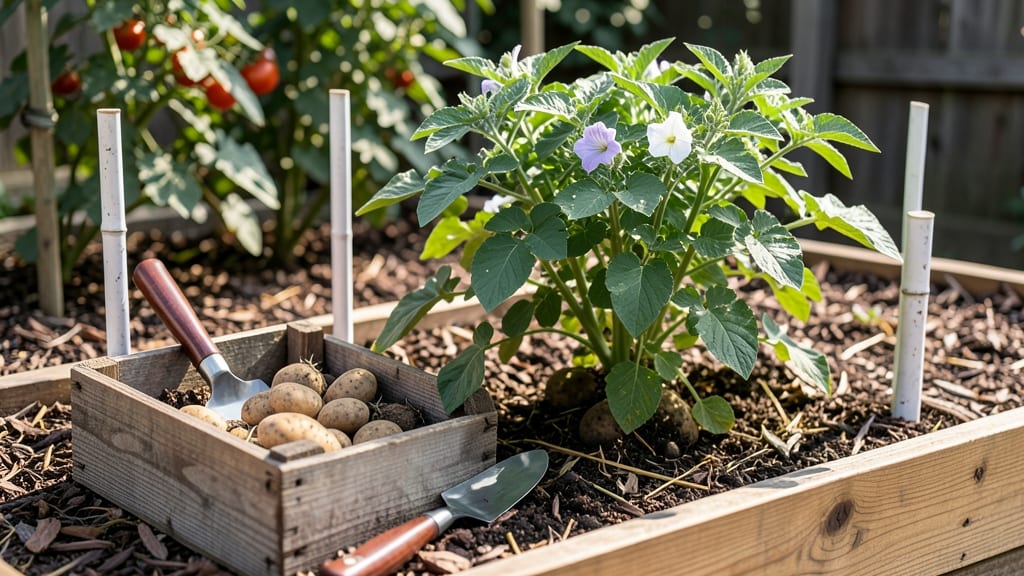
Planting your fall potatoes in Louisiana at the wrong time can mean soggy, rotting tubers instead of crisp, golden harvests—but getting the timing right turns your garden into a high-yield machine.
The key? Understanding Louisiana’s unique humidity cycles and soil temperatures, which demand a narrow 4-6 week window between September and October for optimal growth.
Most gardeners in USDA Zones 8a-9b assume "fall planting" means anytime after summer, but that’s a recipe for disaster. Too early, and your 🥔 potatoes face fungal pressure from lingering heat; too late, and frost sneaks in before harvest.
I’ll break down the exact dates—and why September is non-negotiable for avoiding rot and maximizing yield.
What separates a thriving Louisiana potato patch from a muddy mess? It’s not just the calendar—it’s the soil prep and post-planting care that keeps tubers safe from the state’s infamous dampness.
You’ll learn how to adjust for coastal humidity, choose the right varieties, and time your harvest before the first frost turns your crop to mush.
Skip the guesswork and plant with confidence. By the end, you’ll know exactly when to drop those seed potatoes—and how to protect them from Louisiana’s most common pitfalls. Let’s dig in.
Optimal Louisiana fall planting windows for zero rot potatoes
Timing your fall potato planting in Louisiana isn't just about avoiding frost—it's about outsmarting the state's notorious humidity and fungal diseases like Phytophthora blight.
The ideal window is late August through early September, when soil temperatures dip below 85°F but stay above 60°F, creating the perfect balance for tuber formation without inviting rot.
Miss this window, and you risk slow growth from late planting or disease pressure from planting too early when humidity peaks. Louisiana's USDA Zones 8a-9b give us a 120-day growing season for fall potatoes, but only if you plant at the right moment.
Let's break down the science behind these dates and how to adapt them to your specific corner of the state.
🌱 Key Insight: Planting too early (before August 15) risks excessive foliage growth at the expense of tubers, while planting after September 15 leaves tubers vulnerable to early frost damage before they mature.
| Planting Stage | Critical Timing | Soil Conditions | Disease Risk |
|---|---|---|---|
| Seed Potato Purchase | Early August | Store in cool, dark place (50-60°F) | Low (dormant tubers) |
| Chitting (Sprouting) | Late July - Early August | Expose to light for 2-3 weeks | Low (prevents rot) |
| Prime Planting Window | August 15 - September 15 | 60-85°F soil temp | Moderate (peak humidity) |
| Last Chance Planting | September 16 - October 5 | Above 60°F soil temp | High (fungal pressure) |
| Harvest Window | December - February | Before first frost (mid-Nov to Dec) | Low (post-harvest) |
Your soil temperature is the single most important factor—potatoes need consistent warmth to form tubers but not too much heat, which stresses the plants. Use a soil thermometer to confirm temps are between 60-85°F at 4-inch depth before planting.
In Louisiana's heat, this often means waiting until after Labor Day when daytime temps begin their gradual decline.
For coastal areas like New Orleans, aim for early September planting—the Gulf humidity peaks in August, creating perfect conditions for Phytophthora blight. Meanwhile, northern Louisiana (like Shreveport) can push planting to mid-September thanks to slightly cooler nights.
Always check your local frost dates—most of Louisiana sees its first frost between mid-November and early December, giving you about 120 days to harvest.
Pro tip: Plant in two successions—one in late August and another in early September—to stagger your harvest and reduce the risk of losing your entire crop to a single disease outbreak or unexpected frost.
This also lets you enjoy new potatoes (small, tender tubers) as early as October while larger harvests come in December-January.
One common mistake Louisiana gardeners make is planting too deep—aim for 3-4 inches deep with 12 inches between rows. Deeper planting increases rot risk in our humid climate, while shallower planting exposes tubers to sunlight, turning them green and toxic.
Use well-draining soil amended with compost or sand to prevent waterlogging, which is the #1 cause of potato rot in Louisiana gardens.
Optimal Louisiana fall planting windows for zero rot potatoes
In Louisiana’s USDA Zones 8a-9b, the perfect fall potato planting window is a narrow 4-6 week stretch from mid-September to early October. This timing aligns with cooling soil temperatures (60-65°F) and lower humidity, reducing the risk of Phytophthora blight—the fungal nemesis of Louisiana gardeners.
Planting too early (August) leaves tubers vulnerable to summer heat stress, while late October plantings risk harvest delays before the first frost (mid-November to early December).
Your seed potatoes need 60-90 days to mature, so aim to plant by October 1st in most regions.
For example, in New Orleans (Zone 9a), I start seed potatoes in late September to ensure harvest by December 15th, while in Shreveport (Zone 8a), I plant by September 20th to beat the earlier frost.
The key is soil temperature: use a soil thermometer to confirm it’s below 70°F before planting.
Here’s the non-negotiable timeline for Louisiana’s fall potato success:
| Stage | Action | Notes |
|---|---|---|
| Mid-September | Prep soil: loosen 12" deep, add compost | Avoid fresh manure—it attracts pests |
| Late September | Plant seed potatoes 4" deep, 12" apart | Use certified disease-free seed potatoes |
| October | Hill soil around stems when 6" tall | Prevents green tubers (toxic solanine) |
| November | Monitor for frost; harvest before 32°F | Use row covers if frost threatens early |
One common mistake? Planting Irish potatoes (not sweet potatoes) too late in November. Unlike sweet potatoes, which thrive in warm soil, Irish potatoes need cool fall temperatures to develop properly.
If you miss the September-October window, consider container growing—pots warm up faster in spring and can be moved indoors before frost.
For maximum yield, choose varieties like ‘Yukon Gold’ (buttery texture) or ‘Red Pontiac’ (disease-resistant). These perform best in Louisiana’s humidity when planted in well-draining soil with morning sun exposure.
Avoid low-lying areas where water pools—this is where Phytophthora thrives. If your garden is prone to soggy soil, opt for raised beds or mound planting to improve drainage.
Pro tip: Mark your planting date on a garden calendar and set a reminder for harvest time (90 days post-planting). In my Louisiana garden, I’ve found that early December harvests produce the crispiest tubers—just before the holiday cooking season!
Just remember: never store potatoes in the fridge—keep them in a cool, dark, well-ventilated space (like a root cellar or paper bag) to prevent spoilage.