
Planting
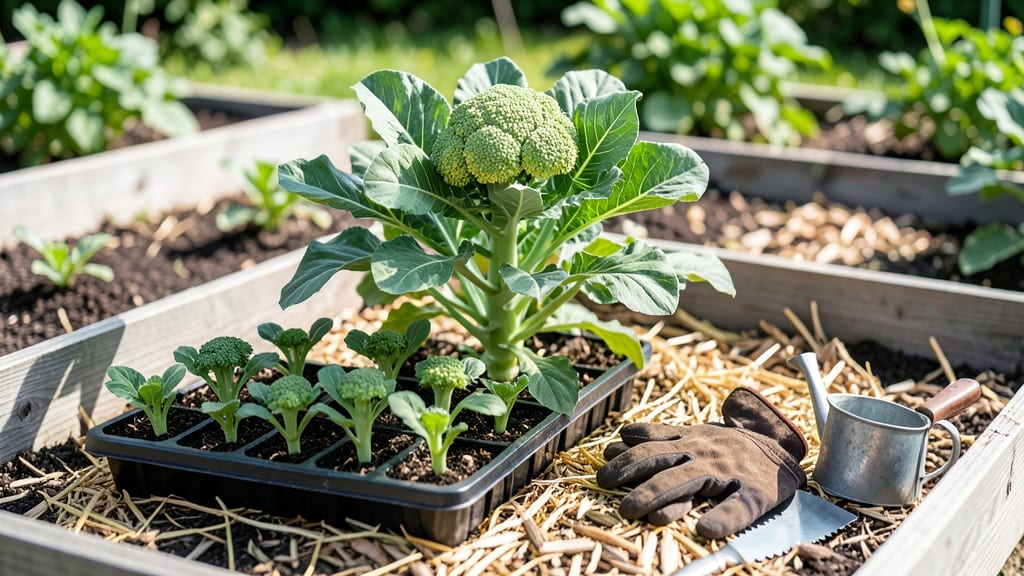
Timing your fall garden in Florida can mean the difference between a bountiful harvest and wasted effort—especially when heat and humidity play tricks on traditional planting schedules.
Unlike cooler climates, Florida’s extended growing season lets you sow crops well into October, but getting the window wrong means struggling with bolting greens or stunted roots.
I’ve spent years testing what works in Florida’s 8a-11 zones, and the key is planting heat-tolerant varieties at the right moment—usually between mid-August and late September for most regions.
South Florida gardeners can even push it to early October, while North Florida’s cooler pockets may need to start earlier to beat the first frost (yes, it happens!).
What you’ll discover here are the exact months that align with Florida’s unique climate, plus the top 5 crops that thrive when planted just right. We’ll also cover common mistakes—like overwatering in humidity or ignoring soil prep—that can derail even the best-laid plans.
Ready to turn your Florida fall garden into a high-yield success? Let’s dive into the strategies that actually work for our state’s long, warm seasons.
Best months to plant a fall garden in Florida (with exact dates by region)
Florida’s fall gardening window starts earlier than most northern states, thanks to its warm climate and long growing season. Unlike temperate zones, Florida gardeners don’t have to worry about frost ruining their crops—except in Zone 8a, where light frosts can occur in December.
The key is planting heat-tolerant varieties during the right temperature window to avoid bolting or poor growth.
For North Florida (Zones 8a-8b), the ideal planting window is mid-August to early September, while Central Florida (Zones 9a-9b) can start as early as late July. In South Florida (Zones 10a-11), you can plant through October for a winter harvest.
The goal is to align your planting with soil temperatures dropping below 90°F but staying above 60°F for optimal germination.
Here’s the breakdown by region, including exact dates for direct sowing and transplanting:
| Region | Direct Sow Dates | Transplant Dates | Soil Temp Threshold | Key Crops |
|---|---|---|---|---|
| North Florida (Zones 8a-8b) | Mid-August – Early September | Late July – Mid-August | 60°F–85°F | Okra, Sweet Potatoes, Malabar Spinach |
| Central Florida (Zones 9a-9b) | Late July – Late September | Early July – Early September | 65°F–90°F | Peppers, Eggplant, Collard Greens |
| South Florida (Zones 10a-11) | August – October | July – September | 70°F–95°F | Tomatoes, Cucumbers, Green Beans |
If you’re starting seeds indoors for a fall garden, begin 6-8 weeks before transplanting. For example, in North Florida, start okra seeds indoors in late May to transplant by mid-July. In South Florida, you can direct-sow cucumbers in August and expect harvests by October.
One critical factor is avoiding extreme heat stress. Seedlings planted in 95°F+ soil may struggle to germinate. Use shade cloth or row covers for the first 2-3 weeks after transplanting to protect young plants. Mulching with straw or pine needles also helps regulate soil temperature and retain moisture.
For Zone 8a gardeners, keep an eye on frost forecasts in December. While rare, a light frost can damage tender crops like tomatoes or peppers. Use frost cloth or move potted plants indoors if temperatures dip below 32°F.
In Zones 9-11, frost is almost nonexistent, so focus on water management during Florida’s dry fall months.
Pro tip: Test your soil pH before planting—most fall vegetables thrive in slightly acidic soil (6.0–6.8). Amend with lime to raise pH or sulfur to lower it if needed. Florida’s sandy soils often require organic matter, so mix in compost or aged manure to improve fertility.
Finally, rotate crops to prevent disease buildup. If you grew tomatoes in spring, avoid planting them in the same spot for your fall garden. Instead, opt for beans, greens, or root vegetables in that area. This simple step can boost yields by 30% and reduce pest pressure.
Timing your fall garden right means fewer pests, better yields, and a longer harvest window. With these region-specific dates and soil prep tips, you’re ready to grow a thriving fall garden—no matter where you are in Florida. 🌱
Top 5 heat-tolerant fall vegetables for Florida (and when to start seeds indoors)
Florida’s fall garden thrives on heat-tolerant varieties that handle summer’s lingering warmth while still producing bountiful harvests. Unlike northern climates, you’re not racing against frost—you’re working with consistent temperatures and long daylight hours.
The key? Planting the right crops at the right time to avoid bolting or stunted growth from extreme heat.
For North Florida (Zone 8a), start seeds indoors 6-8 weeks before your average first frost (usually mid-September). In Central and South Florida (Zones 9-11), you can direct-sow outdoors as early as late July, but heat-sensitive crops like lettuce need shade cloth until temperatures dip below 85°F.
Below, I’ve curated five high-performing, heat-loving crops that deliver reliable yields in Florida’s fall garden.
🔢 Top 5 Heat-Tolerant Fall Vegetables for Florida
- 1. Okra – Direct-sow in August-September; thrives in 90°F+ heat. Harvest pods at 3-4 inches for tender texture.
- 2. Sweet Potatoes – Plant slips (young plants) in July-August; vines love heat but need well-draining soil to prevent rot.
- 3. Malabar Spinach – A tropical alternative to traditional spinach; sow July-September and harvest leaves as needed.
- 4. Black-Eyed Peas (Cowpeas) – Heat-resistant and drought-tolerant; direct-sow August-September for fall harvest.
- 5. Eggplant – Start seeds indoors in July, transplant August-September; varieties like Ichiban handle Florida’s heat better than standard types.
Each of these fall crops has a unique heat tolerance window, so timing your seed starting or transplanting is critical. For example, okra and sweet potatoes can handle scorching heat, while Malabar spinach prefers warmth but not extreme drought.
Below, I’ll break down exact planting schedules by region and share pro tips to maximize your yield.
Pro tip: Companion planting can extend your harvest window. Pair okra with basil to repel pests, or plant black-eyed peas near tomatoes to improve soil nitrogen. In South Florida, where frost is rare, you can even overwinter some of these crops with light mulching to protect roots.
Ready to dive deeper? Let’s tackle soil prep and transplanting tricks to ensure your fall garden doesn’t just survive—but thrives—through Florida’s unpredictable transitions from summer to cooler weather. 🌿