
Plants
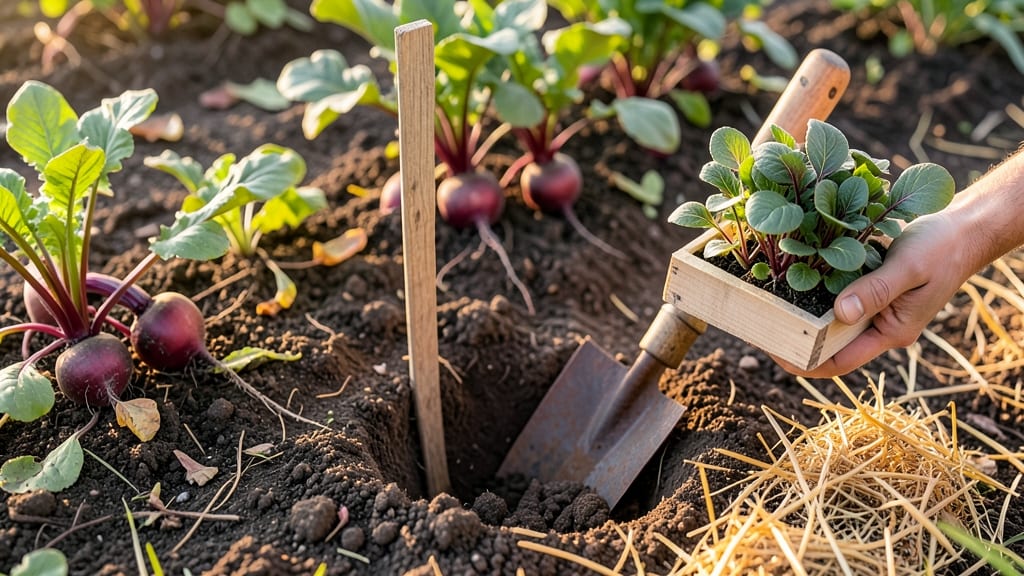
Timing your fall beet planting in Zone 7 could mean the difference between a garden full of sweet, tender 🍠 and a bitter disappointment. The key lies in understanding when soil temperatures drop just enough to support growth but not so much that your beets struggle to mature before frost.
If you've ever planted beets too late and ended up with small, tough roots, you know how frustrating it can be. The solution? Start planting between late summer and early fall, about 4-6 weeks before your first frost.
This window ensures your beets have enough time to reach harvest size before the cold sets in.
In Zone 7, where your last frost typically arrives around mid-November, you'll want to aim for a planting schedule that gives your beets 60-70 days to grow. This means starting your seeds in early September at the latest to guarantee a successful harvest before winter takes over.
I'll walk you through everything you need to know, from soil preparation to spacing and even how to extend your harvest into cooler months. Let's get those beets growing like a pro!
Optimal soil temperature ranges for fall beet planting in Zone 7
Fall beets thrive in Zone 7 when planted during the 60-90 day window before your first frost. The key to success lies in understanding soil temperature thresholds—beets need specific warmth to germinate and grow properly.
Planting too early in hot soil can cause bolting, while waiting too long risks stunted growth before cold weather arrives.
For germination, your soil should be between 50°F and 70°F. Below 50°F, seeds may rot or fail to sprout, while temperatures above 70°F can trigger early bolting.
I’ve found that late summer to early fall—typically mid-August to early September in Zone 7—offers the perfect balance for consistent germination and steady growth.
Once planted, beets prefer cooler soil temperatures (55°F–65°F) for optimal root development. This range encourages sweet, tender roots rather than fibrous, woody ones. If your soil cools too quickly, use row covers or mulch to maintain warmth and extend the growing season.
To test your soil temperature, use a soil thermometer (available for under $10). Check temperatures at 2-inch depth in the morning—this is where beet seeds will be planted. If temperatures dip below 50°F, delay planting by 1-2 weeks or opt for cold-hardy varieties like 'Detroit Dark Red' or 'Golden.'
Here’s a quick guide to adjusting your planting timeline based on soil temps:
| Stage | Soil Temp Range (°F) | Action |
|---|---|---|
| Germination | 50–70°F | Plant seeds when soil hits 60°F+ |
| Root Growth | 55–65°F | Ideal for sweet, tender roots |
| Harvest Readiness | 45–55°F | Beets tolerate light frost; harvest before hard freeze |
| Danger Zone | Below 50°F | Seeds won’t germinate; use row covers |
| Bolting Risk | Above 75°F | Plant in partial shade or delay until temps drop |
In my Zone 7 garden, I’ve learned that late August is the sweet spot for fall beets. By this time, summer’s heat has subsided, and soil temperatures hover in the ideal 60°F–65°F range. I always test the soil for 3 consecutive days before planting to ensure consistency.
If your soil runs hotter than 70°F in late summer, try partial shade or wait until early September. I’ve also had success with succession planting: sowing a second batch in early September to extend harvests into November.
Just be sure to use row covers to protect young plants from unexpected cold snaps.
Pro tip: Amend your soil with compost or aged manure before planting to improve moisture retention and warmth. This helps maintain stable soil temperatures and reduces the risk of bolting or stunted growth. Aim for 1–2 inches of compost mixed into the top 6 inches of soil.
Finally, remember that beets are frost-tolerant but not frost-proof. They’ll survive light frosts (28°F–32°F) but may become woody if exposed to hard freezes.
Plan your harvest window to avoid this—most fall beets in Zone 7 are ready by late October to early November, just before the ground freezes.
Zone 7 frost timing: how to calculate your fall beet planting window
Understanding your Zone 7 frost dates is the key to timing your fall beet planting perfectly. In this zone, your first frost typically arrives around mid-November, but this can vary by 1-2 weeks depending on your exact location.
To ensure your beets mature before the cold sets in, you'll need to work backward from that date.
Beets generally take 60-70 days to reach harvest size from seed. This means you should start planting about 4-6 weeks before your first frost. For Zone 7, that translates to planting between early September and mid-October.
This window gives your beets enough time to grow while still benefiting from the warmth of summer.
Here's how to calculate your exact planting window: First, find your average first frost date for your specific location. Then subtract 60-70 days from that date. This will give you the ideal time to start planting.
For example, if your first frost is November 15, you should start planting between September 10 and October 5.
Don't forget that you can extend your harvest by choosing varieties that tolerate light frost. Some beets can even survive 20-25°F temperatures, allowing you to harvest well into late fall if you plant early enough.
Another pro tip is to use row covers or mulch to protect your beets from early frosts. This can buy you an extra 2-3 weeks of growing time, which is especially helpful if you're on the later end of the planting window.
If you're unsure about your frost dates, check with your local Cooperative Extension Service or use online frost calculators. They can provide precise data tailored to your specific area within Zone 7.
- Step 1: Determine your first frost date (typically November 15 for Zone 7).
- Step 2: Subtract 60-70 days to find your planting window (early September to mid-October).
- Step 3: Plant seeds ½ inch deep and 1-2 inches apart for optimal growth.
- Step 4: Use row covers or mulch to extend harvest by 2-3 weeks.
- Step 5: Harvest when roots reach 1-3 inches in diameter (about 60-70 days after planting).
Once you've calculated your planting window, keep an eye on the weather forecast. If an early frost is predicted, consider using black plastic mulch to warm the soil and give your beets a head start. This simple trick can make a big difference in your fall harvest.
With the right timing and a little preparation, you'll be enjoying homegrown beets well into the fall season. Happy planting! 🍠