
Plants
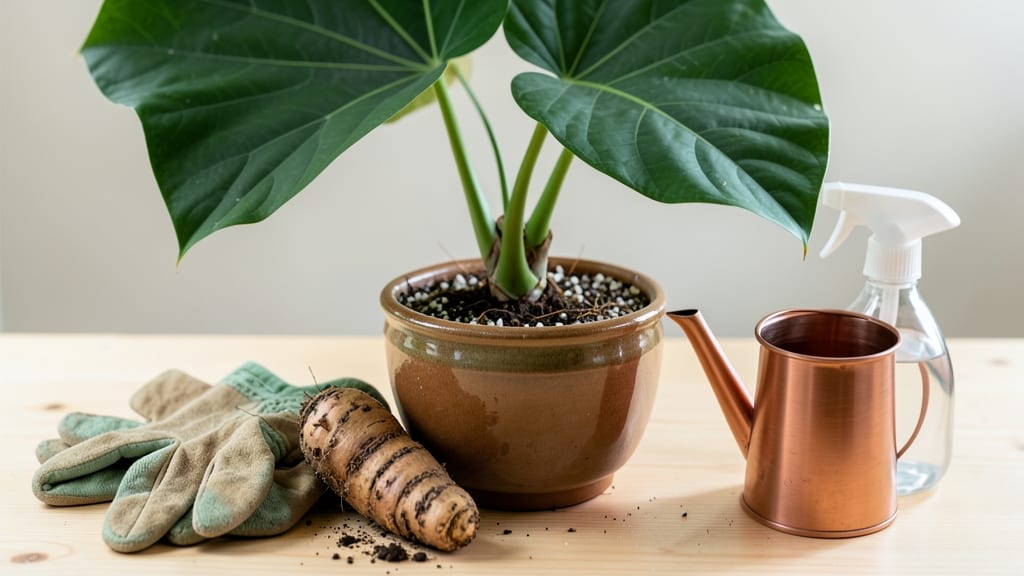
If you're dreaming of lush, tropical foliage on your patio but don't know when to plant elephant ear bulbs in pots, timing is your secret weapon.
These dramatic 🌿 plants thrive when planted after the last frost—typically in April or May—but getting it wrong means stunted growth or missed opportunities for bold, statement-making leaves.
I’ve learned the hard way that rushing too early can shock delicate bulbs, while waiting too long might leave you with leggy, weak plants. The key is balancing warmth and moisture—since pots dry out faster than garden beds, you’ll need to adjust your approach for containers.
Let’s break down exactly when to plant for maximum impact, whether you’re in a warm climate or a cooler zone like 6a.
What you’ll discover here is how to sync planting with your local frost dates, choose the right pots, and prep soil for these moisture-loving giants. No more guesswork—just confident, container-friendly timing to turn your balcony into a jungle retreat. Ready to get started?
From selecting the perfect container to avoiding common pitfalls, this guide covers everything you need to know. Whether you’re a first-time planter or a seasoned gardener, these tips will help you grow healthier, happier elephant ears that steal the show all season long.
Optimal planting times for elephant ear bulbs in containers
Timing is critical when planting elephant ear bulbs in pots—these tropical beauties thrive in warmth and struggle with cold snaps. In most regions, aim to plant 4-6 weeks after your last frost date, typically between mid-April and early June, depending on your USDA hardiness zone.
For zones 8-11, you can plant as early as February or March since frost isn't a concern.
Elephant ear bulbs (Colocasia) are heat-loving plants that need soil temperatures above 60°F (15°C) to sprout properly. If you plant too early in cool climates, the bulbs may rot before they even grow. Conversely, planting too late can stunt their bold foliage growth before summer's peak.
Here’s how to align your planting schedule with your local climate for maximum success:
If you’re in a cooler climate (zones 3-5), consider starting bulbs indoors 6-8 weeks before your last frost to give them a head start. Use small pots with well-draining soil and place them under grow lights until soil temperatures outside reach 60°F (15°C).
Transplant outdoors only after nighttime temps stay above 55°F (13°C).
For extended growing seasons, plant a second batch of bulbs in early summer (July) to enjoy foliage through fall. This works best in zones 6-10, where summer heat aligns with their tropical preferences.
Just ensure your pots have adequate drainage to prevent root rot in humid conditions.
In hot climates (zones 10-11), plant bulbs in late winter or early spring to avoid the intense summer sun, which can scorch their large, delicate leaves. Provide afternoon shade and increase watering frequency to daily during heatwaves. Mulching with organic matter helps retain moisture and regulate soil temperature.
Pro tip: Use a soil thermometer to confirm soil temps are 60°F+ before planting. Cold soil slows growth and increases the risk of fungal diseases like root rot. If your soil is still chilly, delay planting or use heat-absorbing containers like black plastic pots to warm the roots faster.
Finally, remember that elephant ear bulbs are not frost-tolerant. In zones 6 and below, treat them as annuals or dig up bulbs before first frost (October 15 in many regions) and store them in dry peat moss indoors until next spring.
This protects your investment and ensures you can replant the following year.
With the right timing, your elephant ear plants will reward you with lush, tropical foliage all season long—whether you’re growing them as container plants on a balcony or patio. 🌿
Optimal planting times for elephant ear bulbs in containers
Timing is everything when planting elephant ear bulbs in pots, especially since these tropical beauties need warmth to thrive. In most regions, the ideal window is 4-6 weeks after your last frost date, typically late April to early May in USDA zones 6a-9b.
This gives soil time to warm to at least 60°F (15°C), which prevents bulb rot—a common issue in cold pots.
For warmer climates (zones 10+), you can plant as early as February or March, but avoid planting during extreme heat waves. In cooler zones (5a-6a), wait until after Memorial Day to ensure no surprise frosts.
Remember, pots heat up and cool down faster than garden beds, so timing matters even more for container gardeners.
Here’s how to sync planting with your local conditions:
| Climate Zone | Last Frost Date | Best Planting Window | Soil Temp Requirement |
|---|---|---|---|
| Zones 5a-6a | Mid-April to early May | Late May to early June | 60°F+ (15°C+) |
| Zones 7a-9b | Late February to March | March to early April | 55°F+ (13°C+) |
| Zones 10+ | None (year-round) | February to March (avoid summer heat) | 65°F+ (18°C+) |
If you’re in a transition zone (like 6a-7a), consider starting bulbs indoors under grow lights 6-8 weeks before your last frost to jumpstart growth. This is especially useful for smaller varieties like 'Black Stem', which can take longer to establish in cooler pots.
Just be sure to harden them off before moving outdoors.
Pro tip: Use a soil thermometer to confirm your pots are warm enough. Elephant ears won’t tolerate cold soil, and soggy pots from early planting can lead to root rot. Aim for consistent warmth—these plants are tropical at heart!
Once planted, monitor your pots closely. Container-grown elephant ears dry out faster than in-ground plants, so mulch with 2-3 inches of organic mulch to retain moisture and regulate soil temperature. This simple step can extend your planting window by 1-2 weeks in cooler climates.
Don’t wait until summer to plant—early timing ensures your elephant ears have months to establish strong roots before the heat of July and August. With the right schedule, you’ll enjoy lush, vibrant foliage all season long—no guesswork required! 🌿