
Plants
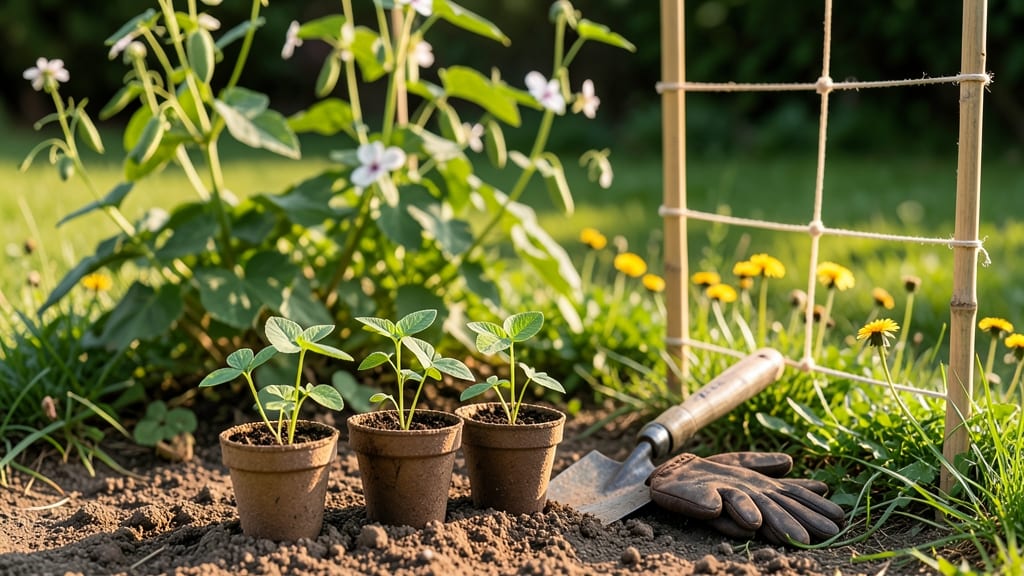
If you’ve ever stared at your seed packets wondering "when to plant Dixie Lee peas in NC", you’re not alone—getting the timing right can mean the difference between a bumper crop and a sad, wilted disappointment.
These heat-loving peas are perfect for North Carolina’s climate, but they’re picky about when they hit the soil.
Here’s the secret: Plant them too early, and the cool spring soil will stall their growth. Too late, and you’ll miss the sweet spot for harvests before summer’s relentless heat sets in.
The ideal window is February through April for spring plantings, or August to September if you’re aiming for a fall harvest.
Why does this matter? Dixie Lee peas thrive when soil temperatures hit 60°F—any cooler, and they’ll sulk. But don’t stress; I’ll walk you through exactly how to time it, adjust for your specific zone (7a-8b), and even troubleshoot if Mother Nature throws a curveball.
Let’s dive into the exact planting schedule, soil prep tips, and companion plants that’ll make your Dixie Lee peas the star of your NC garden this year.
Best planting dates for Dixie Lee peas in NC’s climate zones
North Carolina’s USDA zones 7b-8a create ideal conditions for Dixie Lee peas, but timing matters more than you might think. These heat-tolerant peas need warm soil to germinate—typically 60°F (15°C)—so planting too early risks stunted growth or bolting.
Meanwhile, late plantings may miss the 90-day harvest window before fall frosts arrive.
Most NC gardeners divide their planting into two seasons: early spring and late summer. Spring plantings yield the biggest harvests, while late summer plantings extend your season.
Let’s break down the exact windows for each region, from the mountains to the coast, so you can align your schedule with local frost dates and soil warming trends.
🌱
| Region | Spring Planting Window | Soil Temp Requirement | Last Frost Date | Summer Planting Window |
|---|---|---|---|---|
| Western NC (Zones 7a-7b) | Mid-March to early April | 58-62°F (14-17°C) | April 15-May 1 | Late July to early August |
| Central NC (Zones 7b-8a) | Late February to mid-April | 60-65°F (15-18°C) | March 15-April 15 | Early August to mid-September |
| Eastern NC (Zones 8a) | Early March to late April | 62-68°F (17-20°C) | March 1-April 1 | Mid-August to late September |
🌡️ Key: Use a soil thermometer to confirm temps before planting.
For central NC gardeners (the most common zone), aim to plant Dixie Lee peas between late February and mid-April. This window balances the need for warmer soil with the 90-day harvest window before fall frosts typically hit around November 15.
If you’re in western NC, wait until mid-March to avoid cold snaps that can delay germination.
In eastern NC, where winters are milder, you can start as early as early March. However, if your soil stays cold, cover seeds with black plastic mulch for a week to warm it up.
This trick works wonders in Zone 8a, where soil can lag behind air temperatures.
Don’t overlook the late summer planting window—this is your chance to extend your harvest into October or November. In central NC, plant between early August and mid-September to ensure pods mature before the first frost.
For western NC, stick to late July to early August to avoid the heat of August, which can stress the plants.
🌿
Pro tip: Check your local extension office’s frost dates—they’re more precise than general guidelines. For example, Raleigh’s last frost is often March 15, while Asheville’s can be as late as April 1.
Planting 2-3 weeks after your area’s average last frost gives Dixie Lee peas the warm soil they crave while still allowing time for a full harvest.
If you’re unsure about soil temperatures, use a soil thermometer—it’s a small investment that prevents wasted seeds. The ideal range for Dixie Lee peas is 60-65°F (15-18°C). If your soil is cooler, wait a few more days or use row covers to speed up warming.
💧
Best planting dates for Dixie Lee peas in NC’s climate zones
North Carolina’s USDA zones 7b-8a offer two prime windows for planting Dixie Lee peas: early spring and late summer. The key is avoiding soil temps below 60°F, which slows germination.
For most of NC, the last frost date typically falls around March 15, but mountain regions may see frost into early April.
In Zone 7b (western NC), you can start seeds indoors by February 15 for transplanting after the last frost. In Zone 8a (coastal areas), direct sowing can begin as early as February 1 if soil warms quickly. Always check your local frost-free date—it’s your planting cue.
For a fall harvest, aim to plant August 1-15 in Zone 8a or August 15-30 in Zone 7b. This gives pods time to mature before first frost (usually November 15). Late plantings risk stunted growth if nights cool too soon.
🌱 Dixie Lee Peas Planting Timeline for NC
| Stage | Zone 7b (Mountains) | Zone 8a (Coastal) |
|---|---|---|
| Indoor Start | Feb 15 - Mar 1 | Feb 1 - Feb 15 |
| Direct Sow | Mar 15 - Apr 15 | Feb 1 - Mar 15 |
| Fall Planting | Aug 15 - Sep 1 | Aug 1 - Aug 15 |
| Soil Temp | 60°F+ | 60°F+ |
💡 Pro Tip: Use a soil thermometer to confirm temps—Dixie Lee peas won’t germinate below 55°F.
If you’re in Zone 7b, prioritize March-April plantings—cooler mountain nights can delay growth. Coastal gardeners in Zone 8a have more flexibility, with February starts often yielding faster results. Always harden off indoor starts for 7-10 days before transplanting to avoid shock.
For succession planting, make a second sowing 2-3 weeks after your first batch. This ensures a continuous harvest over 4-6 weeks. Just remember: Dixie Lee peas hate competition, so thin seedlings to 2-3 inches apart once they’re 2 inches tall.
One common mistake? Planting too close to warm-season crops like tomatoes or peppers. Dixie Lee peas thrive when soil is warm but not scorching—aim for 60-85°F. If your garden gets hotter than 90°F, provide afternoon shade to prevent bolting.