
Plants
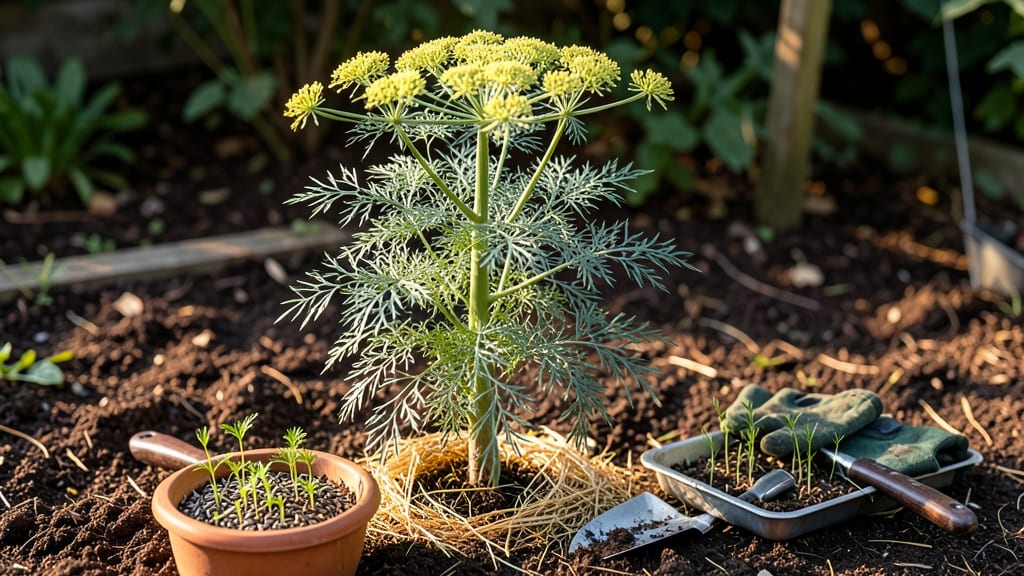
Timing your dill planting in Texas isn't just about avoiding failure—it's about unlocking the full flavor potential of this fragrant herb. With USDA zones 8a-10b and scorching summers, knowing when to plant 🌿 dill means the difference between lush harvests and bitter disappointment.
Most gardeners in Texas make one critical mistake: planting too early in the spring or too late in the summer. The key is understanding your region's frost dates and heat thresholds.
North Texas gardeners should aim for early spring (February-March) or late summer (August-September), while South Texas has a slightly longer window thanks to milder winters.
What sets successful Texas dill growers apart? They don't just follow calendar dates—they watch soil temperatures. Your seeds need at least 50°F soil to germinate properly, and that timing varies dramatically between the Panhandle and Rio Grande Valley.
Let me show you exactly how to calculate your perfect planting window based on your specific location.
Beyond just timing, I'll share heat-resistant varieties that thrive in Texas summers and practical tricks to extend your harvest season. Whether you're growing dill for pickles, soups, or fresh garnishes, these strategies will help you avoid bolting and keep your plants producing flavorful leaves all season long.
Best planting windows for dill in Texas regions (avoid bolting in heat)
Texas’ diverse climate means your dill’s success depends on where you live. In North Texas (USDA Zones 7b–8a), like Dallas or Fort Worth, aim to plant dill after the last frost date (around February 15).
For Central Texas (Zones 8a–8b), including Austin, start seeds in late February to early March when soil warms to 50°F+. Meanwhile, South Texas (Zones 9a–10b), like San Antonio or Houston, can plant dill as early as January 15 thanks to milder winters.
Direct sowing is ideal for Texas gardeners because dill hates transplanting. Start seeds ¼-inch deep in well-draining soil with full sun exposure (6+ hours daily). If you’re in a hotter microclimate, like urban areas with pavement heat, consider partial shade cloth (30–50%) to prevent bolting.
The key is patience—dill grows best when soil temperatures stay between 50°F and 75°F.
Here’s the critical planting window breakdown for Texas regions to maximize flavor and avoid early bolting:
| Region | USDA Zone | Best Planting Months | Soil Temp Threshold | Harvest Window |
|---|---|---|---|---|
| North Texas | 7b–8a | February–March | 50°F+ | April–June |
| Central Texas | 8a–8b | Late February–April | 55°F+ | May–July |
| South Texas | 9a–10b | January–March | 60°F+ | February–April |
| Fall Planting | All Regions | August–September | 70°F–80°F | October–November |
For urban gardeners or those in microclimates with heat islands, like rooftop gardens in Dallas, extend your planting window by 1–2 weeks later than rural areas. Use a soil thermometer to confirm temperatures—dill seeds won’t germinate below 50°F.
If you’re in Zone 10b (South Texas), you can even plant dill in late fall (November) for a winter harvest before the heat peaks.
Pro tip: Succession planting every 2–3 weeks ensures a continuous supply of fresh dill. Start with 3–4 seeds per spot (they’re slow to germinate) and thin to 2–3 strong seedlings once they’re 2 inches tall.
This method works especially well in Central and South Texas, where the growing season is longer.
If you’re starting seeds indoors (e.g., for an early North Texas start), begin 4–6 weeks before your last frost datebiodegradable pots to avoid transplant shock, and harden off seedlings by gradually exposing them to outdoor conditions for 7–10 days before transplanting.
This is crucial in North Texas, where sudden cold snaps can still occur in March.
One common mistake is planting too early in North Texas and risking frost damage. Always check your local frost dates—the Texas A&M AgriLife Extension provides free frost risk maps for your county.
For example, Amarillo (Zone 7b) has a later last frost (March 15) compared to Lubbock (Zone 8a) (March 1). Adjust your timeline accordingly.
For fall harvests, focus on August–September plantings in all Texas regions. This gives dill enough time to mature before cooling temperatures trigger bolting. In South Texas, you can even push it to October plantings for a winter harvest before the heat returns.
Just remember: dill bolting accelerates in temperatures above 85°F, so shade and consistent moisture are your best friends in summer.
Finally, test your soil before planting—dill thrives in slightly acidic to neutral soil (pH 6.0–7.0). If your Texas soil is alkaline (common in Central Texas), amend with peat moss or compost to improve
Best planting windows for dill in Texas regions (avoid bolting in heat)
Texas spans USDA zones 8a-10b, meaning your perfect dill planting window depends heavily on where you live.
In North Texas (zones 7b-8a), like Dallas or Fort Worth, you’ll want to plant 🌿 dill between late February and early March for spring harvests, or August to early September for fall growth.
South Texas gardeners (zones 9a-10b) enjoy a longer window—January to February for spring and July to August for fall.
Why these dates? Dill seeds need soil temperatures above 50°F to germinate. North Texas soils typically hit this mark in late February, while South Texas soils warm up earlier. Planting too early risks bolting from cool temperatures, while late planting exposes seedlings to scorching Texas heat.
Here’s how your region breaks down for optimal planting:
| Region | Spring Planting Window | Fall Planting Window | Key Consideration |
|---|---|---|---|
| North Texas (Dallas, Fort Worth) | Late February–Early March | August–Early September | Soil temp must reach 50°F; avoid late spring heat. |
| Central Texas (Austin, San Antonio) | Early February–Mid-March | July–Mid-August | Use shade cloth in peak summer to delay bolting. |
| South Texas (Houston, Corpus Christi) | January–February | June–July | Longer growing season; succession plant every 2 weeks. |
For urban gardeners in cities like Houston or San Antonio, microclimates matter. Areas near concrete or pavement can heat up faster, so adjust your planting by 1-2 weeks later than rural areas.
If you’re in a high-desert area (El Paso), aim for March-April spring planting—your soil warms slower due to elevation.
Pro tip: Use a soil thermometer to confirm your soil is ready. Stick it in the ground 2 inches deep—if it reads below 50°F, wait another week.
This simple tool prevents poor germination and wasted seeds. For direct sowing, scatter seeds ¼ inch deep in rows spaced 12-18 inches apart.
Remember, dill is an annual in Texas, so focus on two planting cycles: spring and fall. With the right timing, you’ll enjoy fresh dill leaves from April to June and October to November, just in time for holiday recipes.
The key is consistency—stick to these windows, and you’ll avoid the common pitfalls of Texas gardening.