
Plants
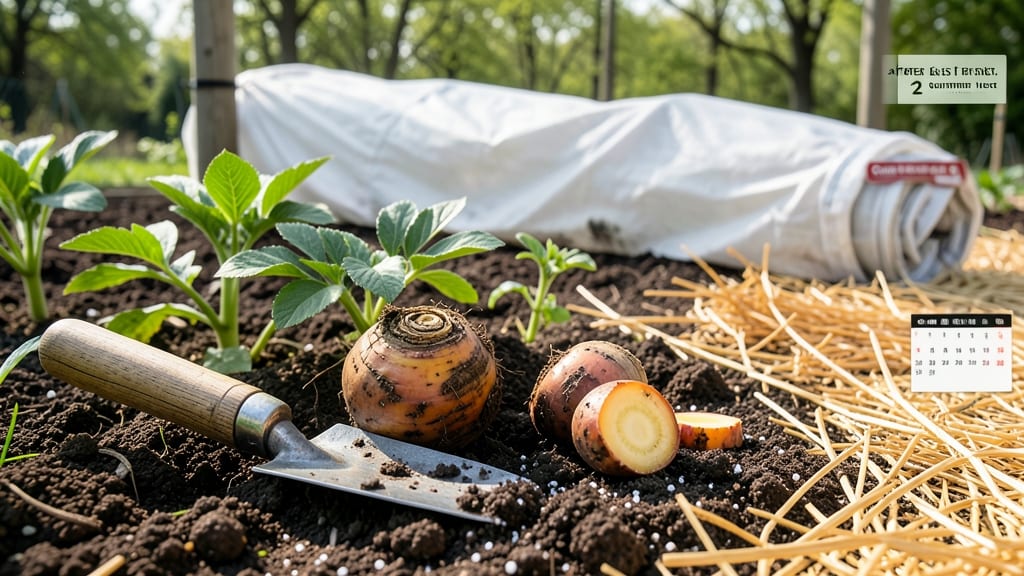
Timing is everything with dahlias in Zone 5—plant them too soon, and frost will zap your tubers before they even sprout. The difference between a flourishing garden and a wasted effort often comes down to those critical weeks after the last frost.
If you’ve ever watched your neighbors’ dahlias burst into color while yours struggle or fail to take off, you’re not alone. The secret lies in waiting for the right conditions: soil that’s warmed to 60°F and a reliable frost-free forecast.
For Zone 5 gardeners, that usually means holding off until mid to late May, but there’s more to it than just dates.
I’ll walk you through exactly how to time your dahlias—whether you’re starting from tubers or seeds—so you can enjoy those showstopping blooms from late summer through fall. No more guesswork, just a foolproof plan tailored to your local climate.
Ready to transform your garden? Let’s dive into the perfect planting window, soil prep tips, and how to give your dahlias the best possible start for a season of vibrant color.
Zone 5 dahlias planting timeline: soil temperature & frost-free dates
Timing is everything when planting dahlias in Zone 5. These stunning flowers won’t tolerate frost, so planting too early means wasted tubers. The key is waiting for soil temperatures to reach 55-65°F and all danger of frost to pass.
In most of Zone 5, this typically falls between mid-May and early June, but your exact window depends on local microclimates.
For Zone 5 gardeners, the average last frost date is around May 15, but I always recommend waiting 4-6 weeks after this date to ensure warm, stable soil.
Cold soil slows root growth, leaving your dahlias vulnerable to stress. Use a soil thermometer to confirm—plant only when temps consistently stay above 60°F.
Here’s my foolproof Zone 5 dahlia planting timeline based on USDA data and real-world experience:
| Stage | Action | Zone 5 Timeline |
|---|---|---|
| Prep Tubers | Cut tubers, treat for rot, soak in fungicide | Early April |
| Chit Tubers | Place eyeside up in bright, cool spot (60°F) | Mid-April |
| Plant Outdoors | After last frost, soil 60°F+, 6" deep | Mid-May to early June |
| Stake & Mulch | Add support, mulch to retain moisture | Within 1 week of planting |
| First Blooms | Expect flowers 90-120 days after planting | Late July to August |
Pro tip: If you’re in northern Zone 5 (e.g., Minneapolis), aim for late May planting. In southern Zone 5 (e.g., Nashville), you can plant as early as mid-April if your soil warms quickly. Always check your local Almanac’s frost dates—they’re more precise than generic Zone 5 averages.
For container dahlias, which warm up faster, you can plant 2-3 weeks earlier than in-ground varieties. Just ensure your pots have drainage holes and use heat-retaining fabric pots to extend the season. I’ve had success with black fabric grow bags in Zone 5—they absorb heat like a charm.
One mistake I see often is planting tubers too deep. Dahlias need 6 inches of soil coverage, but no more—otherwise, they’ll rot. Mark your planting holes with wooden stakes so you remember where the tubers go.
Also, avoid planting if rain is forecasted for 48 hours—waterlogged soil suffocates roots.
After planting, water deeply but infrequently to encourage strong root systems. Aim for 1-2 gallons per plant every 5-7 days, adjusting for rainfall. Mulch with 2-3 inches of straw to lock in moisture and regulate soil temperature—a game-changer in Zone 5’s unpredictable spring.
Remember: Dahlias are hungry feeders. Once they’re established (about 4 weeks after planting), start fertilizing with a balanced 5-10-10 mix every 4-6 weeks. Skip the fertilizer in late summer to let the plants prepare for winter dormancy.
By following this timeline, your Zone 5 dahlias will burst into bloom just in time for summer weddings, fall arrangements, and late-season color. And if frost threatens early? Don’t panic—we’ll cover protecting dahlias in Zone 5 in the next section.
How to prepare dahlias for Zone 5’s unpredictable spring weather
Zone 5’s late spring frosts can turn your dahlia tubers into mushy disappointment if you’re not prepared. The key is hardening off your tubers and protecting them from unexpected cold snaps.
Start by chitting tubers indoors 4-6 weeks before your last frost date—this jumpstarts growth while keeping them safe from outdoor chill.
Once your last frost date (usually around May 15) is past, but soil temps still hover below 60°F, use row covers or cloches to shield young shoots. These lightweight barriers trap warmth while allowing sunlight—critical for heat-loving dahlias that refuse to thrive in cold soil.
🌱
⚠️ Frost Damage Warning
Signs of frost damage: Blackened stems, limp leaves, or a slimy texture on tubers. Recovery tip: If caught early, trim damaged parts and replant in warmer soil. For severe damage, start fresh with a new tuber—dahlias don’t regrow from frost-killed roots.
For gardeners in northern Zone 5 (like Minnesota or Upstate New York), delay planting until late May or early June—even if soil is workable.
Use a soil thermometer to confirm 60°F+ at 4 inches deep; dahlias won’t sprout until then. Pro tip: Plant tubers deeper (6 inches) in cooler microclimates to insulate roots.
If a late frost hits after planting, cover your dahlias with burlap sacks or frost cloth during the day and remove them once temps rise above 40°F. Avoid plastic—it traps moisture and promotes fungal diseases like powdery mildew, which dahlias are prone to in damp conditions.
After the last frost threat passes, focus on mulching with straw or shredded leaves to retain soil warmth. This keeps roots consistently 60-70°F, the sweet spot for dahlia growth.
Pair this with morning watering to prevent fungal issues, and you’ll have blooms by July—just in time for summer color!
🌿