
Plants
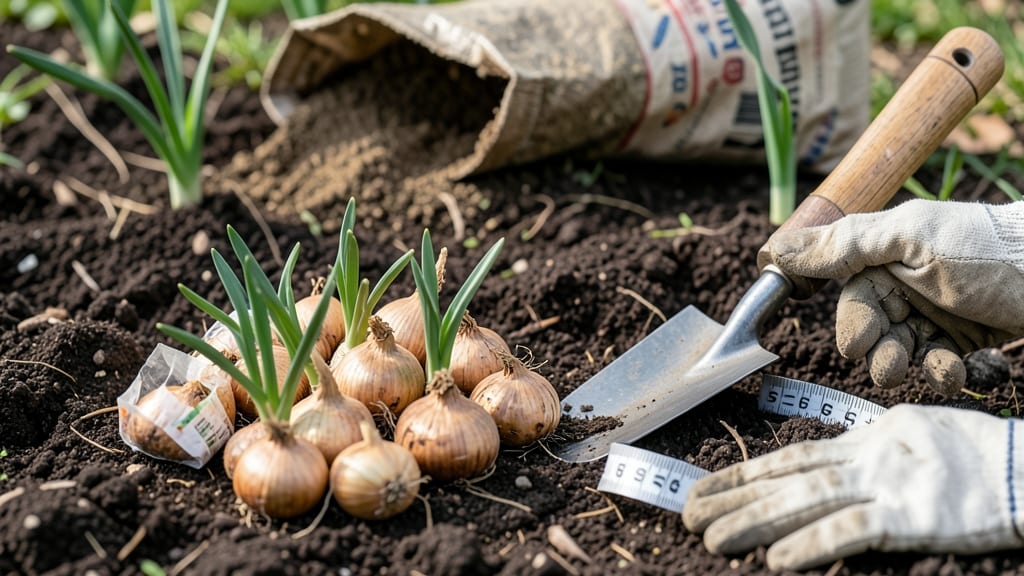
Planting daffodils in Washington State isn’t just about picking a month—it’s about outsmarting the region’s tricky frost patterns and microclimates that can turn your bulbs into a high-stakes gamble.
One week too early in eastern WA’s 6b zone, and a late frost could wipe out your 🌼 blooms before they even emerge. Too late in the milder 8a-9a coastal areas, and you might miss the ideal window for root establishment.
I’ve spent years watching daffodils thrive (and fail) across WA’s diverse landscapes, from the Puget Sound’s maritime influence to the cold mountain valleys where snow lingers into May. The key? Timing your planting to match your specific microclimate—not just the calendar.
Whether you’re in Seattle’s mild coastal zone or the colder inland valleys, knowing when to tuck those bulbs into the soil can mean the difference between a showstopping spring display and a disappointing flop.
What if you could plant your daffodils with confidence, knowing exactly when to dig in your region? I’ll walk you through the science-backed planting windows for WA’s three distinct zones, plus pro tips to adjust for unpredictable frost.
By the end, you’ll have a clear roadmap to planting daffodils like a local expert—no more guesswork, just reliable blooms year after year.
Let’s cut to the chase: The perfect time to plant daffodils in Washington State depends on where you live, but the sweet spot is typically between mid-October and December.
That’s your 6-8 week window before the ground freezes solid. Ready to learn the exact dates for your corner of WA? Let’s get started.
Washington State daffodil planting zones by microclimate: when to plant for frost-free success
Washington’s three distinct microclimates—Coastal, Inland, and Mountain—create wildly different frost patterns. Daffodils thrive when planted 6-8 weeks before the ground freezes, but timing varies by USDA zone and elevation.
Let’s break it down by region to ensure your bulbs establish roots before winter’s chill sets in.
In Coastal WA (USDA Zones 8a-9a), like Seattle or Bellingham, mild winters mean you can plant daffodils as late as mid-December. The Puget Sound’s maritime influence delays frost until January, giving you a longer window.
In contrast, Inland WA (Zone 6b-7a), including Spokane and Wenatchee, demands earlier planting—October to early November—to beat the first hard frost around November 15.
Mountain regions (Zone 5b-6b), like the Cascade foothills or Methow Valley, require the earliest action: plant by mid-October to avoid ground freeze by November 1. High elevations (above 3,000 ft) can see frost as early as October 15, so adjust your schedule accordingly.
Soil temperature is your best guide. Aim for 50-60°F at planting depth (6 inches). Use a soil thermometer to confirm—cooler soils delay root growth, while warmer soils (above 65°F) can stress bulbs. Most WA regions hit this sweet spot in late October, but coastal areas linger longer.
| Region | USDA Zone | Planting Window | First Frost Date | Soil Temp Goal |
|---|---|---|---|---|
| Coastal (Seattle, Bellingham) | 8a-9a | October 15 - December 15 | January 10 | 50-60°F |
| Inland (Spokane, Wenatchee) | 6b-7a | October 1 - November 15 | November 15 | 50-60°F |
| Mountain (Cascades, Methow) | 5b-6b | September 15 - October 15 | October 15 | 45-55°F |
Elevation plays a huge role in mountain regions. For every 1,000 feet gained, frost arrives 3-5 days earlier. At 4,000 ft (e.g., Leavenworth), plant by September 20 to avoid early freezes. Use local USDA frost maps or check with your county extension office for hyper-local data.
Pro tip: Late October is the safest window for most WA gardeners. By then, soil temps have cooled, but bulbs still have 6-8 weeks to root before winter. If you’re unsure, err on the earlier side—daffodils planted too late may not bloom as vigorously the following spring.
After planting, mulch heavily (3-4 inches) with straw or leaves to insulate bulbs. This extends the rooting window by 2-3 weeks in marginal zones. Just avoid mulching too early—wait until after the first frost to prevent rot.
Remember: Daffodils need chill hours (300-500 hours below 45°F) to bloom. WA’s winters provide plenty, but mountain regions may need earlier varieties to compensate for shorter growing seasons. Choose cold-hardy cultivars like 'Ice Follies' or 'Tête-à-Tête' for reliability in Zone 6b.
For coastal gardeners, don’t stress about late planting—January is still safe if soil isn’t frozen. But inland and mountain gardeners should act by November 1 to guarantee blooms next spring. Mark your calendar and grab those bulbs before the rush!
How to adjust planting time for washington’s unpredictable frost patterns
Washington State’s frost patterns are famously unpredictable, with late-spring freezes capable of wiping out early bloomers. I’ve seen daffodils in Zone 7b (like Yakima) survive winter only to get nipped by frost in April—just as buds were forming.
The key to beating this? Adjusting your planting time based on soil temperature, not just the calendar.
Start by checking your local last frost date—but don’t stop there. Daffodils need 6-8 weeks to establish roots before winter sets in. In Zone 6b (e.g., Wenatchee), that means planting by mid-October. In milder Zone 8a (Seattle), you’ve got until December 1.
Use a soil thermometer ($10 at garden centers) to confirm the ground is below 60°F—that’s the sweet spot for root growth without encouraging rot.
🌡️ 5 Warning Signs Frost Is Coming (And How to Protect Your Bulbs)
- 1. Dew forms late after sunset—frost is likely within 24 hours. Cover bulbs with straw mulch (3-4 inches).
- 2. Morning temps drop below 35°F for 3+ days. Add a frost cloth over new growth in spring.
- 3. Birds flock to lower elevations—they’re escaping cold air sinking into valleys. Act fast!
- 4. Soil feels icy when you dig 2 inches deep. Mulch immediately with leaves or pine needles.
- 5. Local forecasts mention "radiation frost" (clear nights + calm winds). Water soil deeply before sunset to release heat.
For extra insurance, choose early-blooming varieties like ‘Tête-à-Tête’ (dwarf) or ‘Ice Follies’ (white). These bloom 2-3 weeks earlier than standard daffodils, giving them a head start on frost.
Late bloomers like ‘Peach Sultan’ can wait until November in cooler zones, but in Zone 9a (e.g., Vancouver), even December plantings work—just cover them if frost threatens.
Pro tip: Plant shallow in sandy soil (4 inches deep) and deeper in clay (6 inches). This adjusts for heat retention—sandy soil cools faster, while clay stays warmer longer. In high-elevation areas (e.g., Leavenworth), add 3 inches of mulch after planting to trap heat and deter frost heave.
Even with perfect timing, WA’s late-spring frosts (common in April) can still catch you off guard. If buds appear and frost is forecasted, drape a lightweight row cover over stems.
I’ve saved entire beds this way—just secure it with bricks or clips so wind doesn’t tear it. The goal? Let those 🌼 blooms pop without a fight.