
Plants
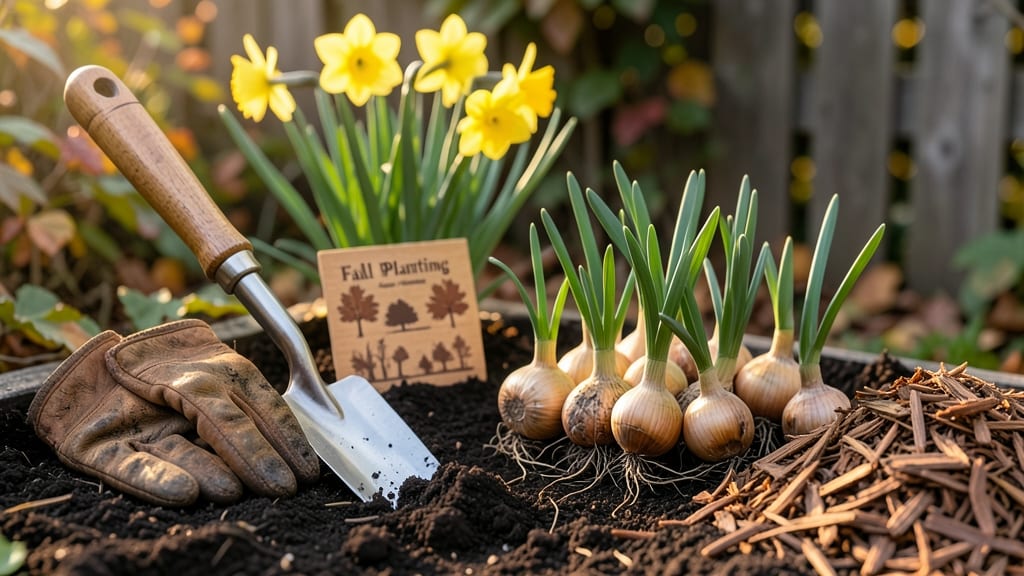
If you’ve ever wondered when to plant daffodils in Virginia for those showstopping spring blooms, the answer isn’t as simple as “fall”—it’s about timing it just right for your specific zone.
Virginia’s diverse climate, from the cooler highlands to the milder coastal regions, means your neighbors might be planting at different times than you. Get it wrong, and you could end up with bulbs that rot before winter or flowers that never appear.
But nail it, and you’ll reward yourself with bold, cheerful blooms that brighten up every spring garden.
The ideal window for planting daffodils in Virginia stretches from early October through November, but the exact timing depends on where you live.
In the cooler 6a-8a zones, you’ll want to get those bulbs in the ground 6-8 weeks before the first frost—usually by early November in most areas.
Meanwhile, gardeners in the Shenandoah Valley or higher elevations might need to plant even earlier, while those in the Tidewater region can afford to wait a bit longer. The key? Soil temperatures should dip below 60°F for optimal root growth before winter sets in.
Here’s the good news: daffodils are forgiving once you’ve got the timing down. With the right soil prep—well-draining, slightly acidic, and amended with compost—your bulbs will thrive even in Virginia’s humid summers and unpredictable winters.
Plus, they’re deer-resistant, so you won’t have to worry about losing your hard work to hungry critters. Whether you’re a first-time gardener or a seasoned pro, mastering this zone-specific approach will set you up for years of effortless, stunning blooms.
Ready to dive in? I’ll walk you through everything you need to know—from choosing the perfect spot in your yard to the step-by-step planting process that ensures your daffodils come back bigger and brighter every year. Let’s get those 🌼 bulbs in the ground the right way!
Virginia planting zones & best months for daffodil bulbs
Virginia spans USDA zones 5b through 8a, meaning your daffodil planting window varies by region. The golden rule? Plant bulbs 6-8 weeks before the first hard frost—typically between mid-October and early November for most of the state.
In colder zone 5b areas like the Shenandoah Valley, aim for early October to beat early frosts.
Warmer zone 7a-8a regions (like Tidewater or Norfolk) can plant until mid-November, but avoid planting after November 15—bulbs need 4-6 weeks of cool soil (below 60°F) to root before winter dormancy. Use your local last frost date as your guide: count backward from that date.
Soil temperature matters more than air temperature. Use a soil thermometer to confirm 50-60°F soil—ideal for root growth. In humid Virginia summers, bulbs planted too early may rot. If your soil stays warm past November, opt for late November planting with extra mulch to insulate roots.
Here’s how Virginia’s regions break down:
| USDA Zone | Best Planting Window | Soil Temp Goal | Regional Notes |
|---|---|---|---|
| 5b (Shenandoah Valley) | Early October – Mid-October | 50–60°F | Frost risk by November 1; prioritize early planting. |
| 6a (Roanoke, Charlottesville) | Mid-October – Early November | 50–60°F | Balanced window; adjust for early/late frosts. |
| 7a-7b (Richmond, Fredericksburg) | Late October – Mid-November | 55–65°F | Humidity increases rot risk; plant deeper (8 inches). |
| 8a (Tidewater, Norfolk) | Mid-November – Early December | 60–70°F | Soil stays warm longer; mulch heavily after planting. |
Pro tip: Check your local Cooperative Extension Service for hyper-local frost data. For example, Blacksburg (zone 6a) often sees frost by October 25, while Williamsburg (zone 8a) may wait until November 20. Adjust your timeline accordingly to avoid frost-heaving or rot from soggy soil.
If you miss the fall window, spring planting is possible but risky—bulbs may bloom the same year and produce weaker flowers. Only attempt this in zones 7a+ with cool spring soils (below 65°F). For best results, stick to fall planting and mark your calendar 6-8 weeks before frost.
For gardeners in microclimates (e.g., low-lying areas or urban heat islands), err on the earlier side. These spots can experience 3–5°F warmer soils than surrounding areas, delaying frost. A simple soil thermometer check ensures you’re planting at the right time.
Once you’ve nailed the timing, focus on soil prep. Daffodils thrive in well-draining soil—critical in Virginia’s clay-heavy regions. Amend heavy soil with compost or sand to prevent bulb rot. In sandy soils (common in coastal areas), mix in organic matter to retain moisture.
Remember: Daffodils naturalize over time, multiplying each year. Planting at the right time ensures they’ll return year after year with bold, cheerful blooms to brighten Virginia’s late winter and spring gardens. 🌼
Virginia planting zones & best months for daffodil bulbs
Virginia spans USDA zones 5b through 8a, which means your daffodil planting window varies depending on where you live. In the cooler mountain regions (6a-7a), like the Shenandoah Valley, aim to plant by mid-October—soil temps should be below 60°F for root establishment.
Meanwhile, gardeners in warmer coastal areas (7b-8a), such as Norfolk or Virginia Beach, can wait until late November without risking frost damage.
The sweet spot for most of Virginia falls between October 15 and November 15, giving bulbs time to root before winter. Check your local first frost date: plant 6-8 weeks prior to ensure roots form before the ground freezes.
For example, in zone 7a (Richmond area), that’s typically by November 1, while zone 8a (Southampton) may extend to mid-November.
🌱Pro Tip: Use a soil thermometer to confirm temps are consistently below 60°F—this signals it’s time to plant. In higher elevations, like Roanoke, err on the earlier side (by October 1) to avoid early frosts that can damage bulbs.
🌼 Virginia Daffodil Planting Guide by Zone
| Zone | Best Planting Window | Soil Temp Threshold | Key Consideration |
|---|---|---|---|
| 5b-6a (Mountains) | Mid-Sept to Oct 15 | Below 55°F | Early frost risk |
| 6b-7a (Piedmont) | Oct 15-Nov 1 | Below 60°F | Moderate climate |
| 7b-8a (Coastal) | Nov 1-Nov 15 | Below 65°F | Warmer winters |
💡 Note: Adjust 1-2 weeks earlier if your area has unpredictable early frosts.
If you miss the ideal window, don’t panic—daffodils can handle late fall planting (even December) as long as the ground isn’t frozen. However, bulbs planted after November 30 may not bloom as vigorously the first year.
For container gardening, plant 2-4 weeks later than in-ground bulbs, since pots warm up faster.
Virginia’s humid climate can also affect planting. In areas with heavy clay soil (common in the Piedmont), amend the soil with compost or sand to improve drainage—daffodils hate soggy roots. For low-lying areas prone to winter waterlogging, consider planting on a slight mound or in raised beds.
Finally, layering bulbs is a smart trick for Virginia gardeners: plant early-blooming varieties (like ‘Tête-à-Tête’) in September-October and late-bloomers (like ‘Ice Follies’) in November to extend your spring color show from March through May. This works especially well in partial shade gardens, where timing can affect bloom intensity.
With these zone-specific guidelines, your daffodils will establish strong roots before winter and reward you with bold, reliable blooms every spring—no matter where in Virginia you garden! 🌿