
Plants
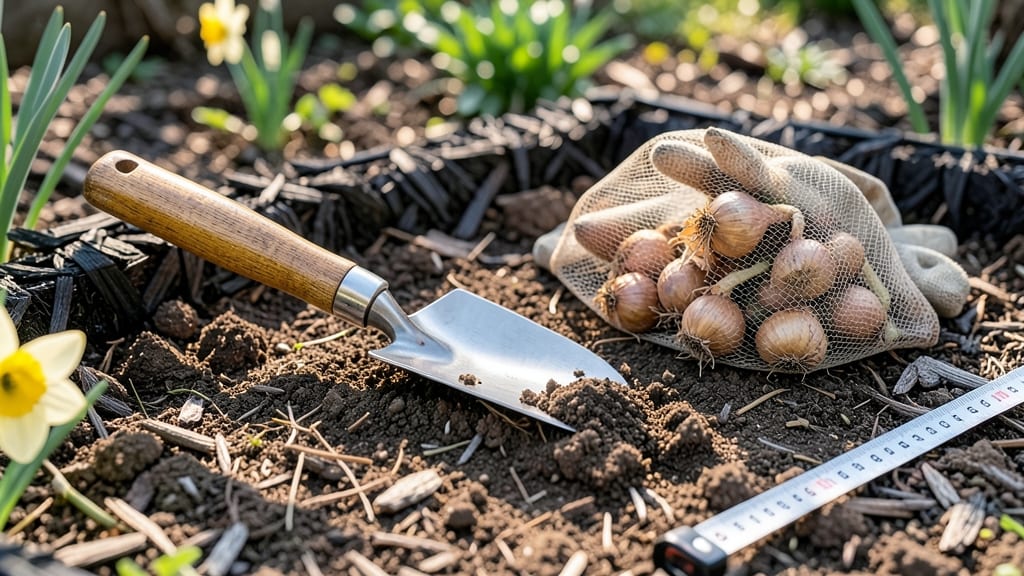
Planting daffodil bulbs in Indiana at the wrong time can mean the difference between a vibrant spring display and a disappointing flop. With Indiana’s USDA Zone 6a climate, timing is critical—too early, and frost can damage tender roots; too late, and your daffodils won’t establish before winter sets in.
I’ve learned the hard way that October to November is the sweet spot for planting these cheerful 🌼 blooms. This window ensures bulbs root deeply before the ground freezes, giving them the strength to push through snow and frost come spring.
Whether you’re a first-time gardener or a seasoned pro, getting this right is the key to daffodils that return year after year.
The best part? Indiana’s fall weather makes this the perfect time to prep your garden without the summer heat or winter chill.
We’ll cover exactly how to time your planting, adjust for late frosts, and choose the hardiest varieties for your region—so you can enjoy zero-frost survival and stunning blooms by April.
Ready to set your garden up for success? Let’s dive into the best months, soil prep, and pro tips to make your daffodils thrive—no matter what Indiana’s winter throws their way.
Indiana’s ideal daffodil planting window: months and temperature rules
Indiana’s USDA Hardiness Zones 5-6 create a unique challenge for daffodil lovers—cool summers and unpredictable frost dates demand precise timing. The ideal window spans from mid-October to early November, when soil temperatures hover between 40°F and 60°F. This range allows bulbs to root before winter dormancy begins.
Northern Indiana (Zone 5) gardeners should aim for late October planting, while southern Indiana (Zone 6) can extend into early November. The key is planting 6-8 weeks before the ground freezes, typically by October 15th statewide. Bulbs need this time to establish roots before winter sets in.
For those in microclimates like Lake County, where late frosts linger, consider mulching heavily after planting to insulate bulbs. In contrast, southern Indiana’s warmer pockets may allow for slightly later plantings, but never risk planting after November 15th—roots won’t have time to anchor before winter.
| Planting Factor | Indiana-Specific Guidance |
|---|---|
| Ideal Planting Months | Mid-October to early November (Zone 5: Oct 15–25; Zone 6: Oct 20–Nov 5) |
| Soil Temperature | 40°F–60°F (use soil thermometer) |
| Planting Depth | 6–8 inches (2x bulb height) |
| Spacing | 4–6 inches apart (closer for naturalizing) |
| Frost Buffer | Plant 6–8 weeks before first frost (avg. Oct 15) |
One common mistake is planting too early in September. While soil may be workable, warm temperatures can cause bulbs to sprout prematurely, leaving them vulnerable to early fall frosts. I’ve seen this happen in northern Indiana gardens where September plantings produced weak stems that broke under ice.
For container gardening in Indiana, adjust timing slightly—plant 2–3 weeks earlier than in-ground bulbs since pots warm up faster. Use well-draining containers and bury them in the ground over winter for extra insulation. This trick works wonders for balconies in Indianapolis or patios in Bloomington.
Pro tip: Check your local Cooperative Extension Service for last frost dates—Indiana’s can vary by 1–2 weeks between regions. For example, Gary (Zone 5b) frosts later than Terre Haute (Zone 6a). Always plant on a cool, cloudy day to reduce bulb stress.
After planting, water deeply once to settle soil around bulbs, then let nature take over. The first frost will signal your bulbs to enter dormancy, but they’ll be rooted and ready to bloom by late April or May, when Indiana’s last frost typically passes.
Remember: Daffodils thrive on patience. The bulbs you plant today may naturalize and multiply for decades, returning year after year with minimal care.
That’s the magic of Indiana’s short but sweet growing season—once you nail the timing, your garden will reward you with bold, early spring color.
🌱
Indiana’s ideal daffodil planting window: months and temperature rules
Indiana’s USDA Zone 5-6 climate means timing your daffodil bulbs is non-negotiable. The ideal planting window spans from mid-October to early November, when soil temperatures hover between 40°F and 60°F.
This range lets bulbs root without freezing, ensuring vibrant blooms next spring. Northern Indiana (Zone 5) should plant slightly earlier, while southern areas (Zone 6) have a bit more flexibility.
Why this window? Daffodils need 6-8 weeks to establish roots before the ground freezes. Planting too early (like September) risks rot from warm, wet soil, while late planting (December+) leaves bulbs vulnerable to winter heaving.
Aim for 4-6 weeks before the first hard frost, which typically hits Indiana by mid-October.
| Timing Factor | Indiana Zone 5 (North) | Indiana Zone 6 (South) |
|---|---|---|
| Best Planting Month | Mid-October | Late October |
| Soil Temp for Planting | 40°F–50°F | 50°F–60°F |
| Frost Risk | High after Nov 1 | Moderate after Nov 15 |
| Root Establishment Time | 6–8 weeks | 6–8 weeks |
| Last Chance Month | Early November | Mid-November |
Pro tip: Use a soil thermometer to check temps—plant when it’s consistently below 60°F at 4 inches deep. This prevents premature sprouting, which weakens bulbs before winter. For extra protection, add a 2-inch layer of mulch after planting to insulate roots.
Indiana’s late frosts (common until April 15) are no match for well-rooted daffodils. Bulbs planted in this window develop strong root systems, allowing them to push through snow and frost. Early varieties like ‘Tête-à-Tête’ often bloom first, while late bloomers like ‘Ice Follies’ wait until May—both thrive with proper timing.
Don’t stress if you miss the window—bulbs can still go in early December, but cover them with straw or leaves to shield from freezing. Just avoid planting in January or February, as frozen soil prevents root growth entirely.
Remember: Healthy roots = happy blooms. With Indiana’s short growing season, every week counts. Plant in this window, and you’ll reward yourself with 🌼 after 🌼 of spring color—year after year.