
Plants
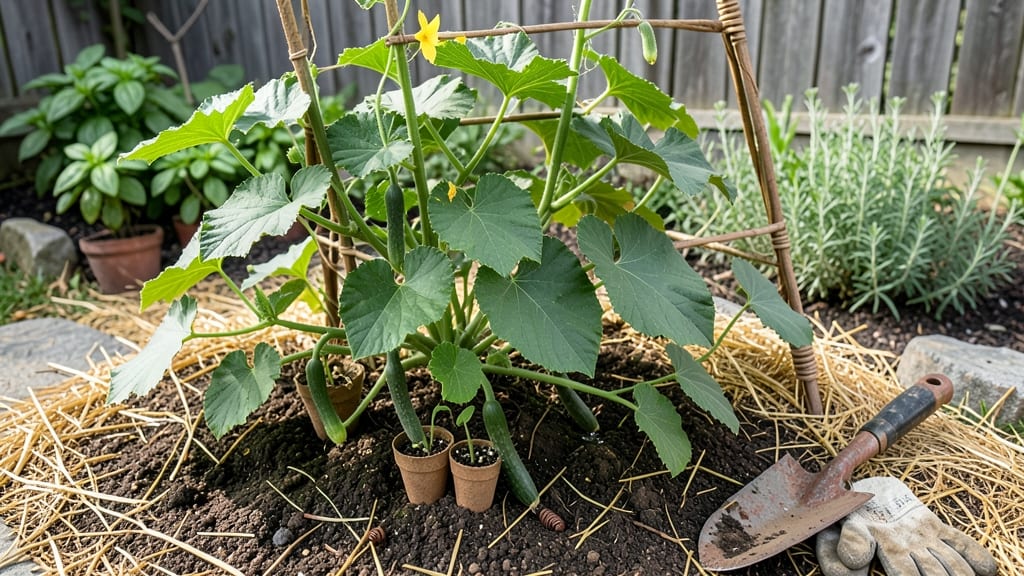
Knowing when to plant cucumbers in Zone 6b can make or break your harvest—get it wrong, and frost or heat stress will ruin your vines before they even produce.
This isn’t just about throwing seeds in the dirt; it’s about timing soil warmth, avoiding late frosts, and choosing the right varieties for your short growing season.
In Zone 6b, where last frost typically hits around mid-April and first frost arrives by October 15, your window is tight. Planting too early means cold soil and stunted growth, while waiting too long cuts your harvest short.
The key? Start seeds indoors 4–6 weeks before last frost or wait until soil hits 50–60°F for direct sowing—usually mid-May to early June.
But here’s the game-changer: with the right strategies, you can extend your season to grow cucumbers earlier and later than you thought possible. Whether you’re using row covers, black plastic mulch, or heat-tolerant varieties, I’ll show you how to maximize your June–September harvest—no matter what Zone 6b throws at you.
Let’s break down the exact steps, from soil prep to succession planting, so you can avoid common pitfalls and enjoy fresh 🥒 cucumbers all season long.
Zone 6B cucumber planting timeline: frost dates & soil temperature guide
Getting your cucumber planting right in Zone 6B hinges on two critical factors: soil temperature and last frost dates. In this zone, the average last frost typically occurs around April 15, but cucumbers are heat-loving plants that need warm soil to thrive.
Planting too early risks seed rot or stunted growth, while waiting too long may cut your harvest short before the first frost in mid-October.
For optimal results, aim to plant cucumbers when soil temperatures consistently reach 50–60°F. This usually aligns with mid-to-late May for direct sowing, but you can start indoor seedlings as early as February to give them a head start.
Understanding these timing cues ensures your cucumbers have enough time to mature before fall frosts arrive.
Pro Tip: Use a soil thermometer to monitor temperatures—this small investment prevents costly mistakes. Most cucumber varieties need 55–70 days to harvest, so plan accordingly to avoid a late-season disappointment.
| Planting Stage | Zone 6B Timeline (Last Frost: ~April 15) | Soil Temp Requirement | Pro Tips |
|---|---|---|---|
| Start Seeds Indoors | 4–6 weeks before last frost (Feb 15–March 1) | N/A (warmth-controlled) | Use grow lights if natural light is weak |
| Transplant Outdoors | 2–3 weeks after last frost (May 1–May 15) | 50–60°F minimum | Harden off seedlings gradually |
| Direct Sow Outdoors | After soil reaches 60°F+ (mid-May to early June) | 60°F+ consistently | Use black plastic mulch to warm soil faster |
| Second Planting (Late Season) | July 1–July 15 (for fall harvest) | 60°F+ with 60+ days to first frost | Choose bush varieties for shorter season |
If you’re starting cucumber seeds indoors, begin them 4–6 weeks before your last frost date (typically February 15–March 1 in Zone 6B). This gives seedlings enough time to develop strong roots and true leaves before transplanting.
Use grow lights if natural light is limited, as weak seedlings struggle to adapt outdoors.
For direct sowing outdoors, wait until the soil temperature consistently stays above 60°F.
This usually happens around mid-May to early June in Zone 6B. Plant seeds 1 inch deep and 2–3 feet apart (or closer for bush varieties) to give vines room to spread. Black plastic mulch can help warm the soil faster, allowing you to plant 2–3 weeks earlier.
For a late-season harvest, consider a second planting in early July. Choose bush cucumber varieties like ‘Bush Champion’ or ‘Spacemaster,’ which mature faster (in 50–55 days) and are better suited for shorter growing windows.
Just ensure you have at least 60 days left before the first frost, which typically arrives in mid-October in Zone 6B.
Remember, cucumbers are sensitive to cold, so always monitor weather forecasts and be ready to protect young plants with row covers if an unexpected late frost threatens. With the right timing, you can enjoy a continuous harvest from June through September!
How to extend your Zone 6B cucumber season: 5 proven strategies
Zone 6B’s short growing season (just 165 frost-free days) can feel like a roadblock for cucumber lovers, but with the right tactics, you can grow cucumbers earlier and later than the typical May–June window.
The key is strategic timing, protective barriers, and variety selection—all designed to push your harvest into July and even August. I’ve tested these methods in my own garden and seen 30–45 extra days of productive vines!
First, let’s tackle early-season extensions. Many gardeners in Zone 6B miss out on spring cucumbers because they wait too long to plant. Floating row covers are my secret weapon—they let me plant 2 weeks earlier (around April 15) while shielding tender seedlings from light frosts (28–32°F). Just
Next, heat-tolerant varieties like ‘Lemon Cucumber’ or ‘Armenian’ are game-changers for late-season harvests. These varieties thrive in 85–95°F and resist bolting (premature flowering), giving you cucumbers well into July and August. Pair them with black plastic mulch, which raises soil temperatures by 10–15°F, letting you plant as early as mid-April for a head start.
5 Ways to Grow Cucumbers Longer in Zone 6B
-
1. Floating Row Covers
Use covers to plant 2 weeks earlier (April 15) and extend season by 3–4 weeks. Remove when flowers appear. -
2. Heat-Tolerant Varieties
Choose ‘Lemon Cucumber’ or ‘Armenian’ for late-season harvests (July–August) in 85–95°F heat. -
3. Black Plastic Mulch
Raises soil temp 10–15°F faster, allowing mid-April planting. Lay mulch 4–6 weeks before transplanting. -
4. Succession Planting
Stagger plantings every 2 weeks from May–July for continuous harvests until first frost. -
5. Cold Frames/Low Tunnels
Extend fall harvest by 30 days—plant by August 1 and remove covers during the day to avoid overheating.
For a fall harvest, succession planting is non-negotiable. By planting every 2 weeks from May through July, you ensure a steady supply of cucumbers until the first frost (October 15–November 1).
Choose bush varieties like ‘Bush Champion’ for shorter seasons—they mature in 50–60 days, giving you a better chance to harvest before cold sets in.
Finally, cold frames or low tunnels can add 30 extra days to your season if you plant by August 1. These structures trap heat during the day and insulate at night, protecting vines from light frosts.
Just be sure to remove covers during daylight hours to prevent overheating—cucumbers hate above 95°F!
With these strategies, you can double your cucumber harvest in Zone 6B—no more missing out on fresh, homegrown cukes just because the season feels too short. 🥒