
Plants
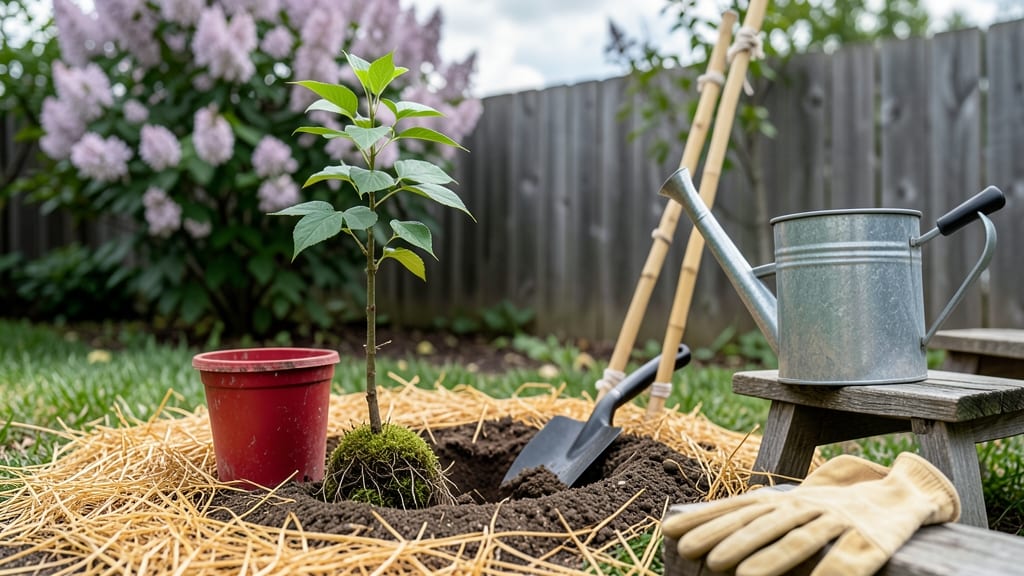
Knowing when to plant crepe myrtle in NC can make the difference between a showstopping 🌸 tree and one that struggles to take root. North Carolina's varying microclimates mean your timing matters more than you might think—get it wrong, and you risk stunted growth or even plant loss.
Most gardeners in zones 7a-8b reach for their shovels between late winter and early spring, but there's a science to it. Soil temperature plays a bigger role than frost dates alone, and NC's humid summers demand careful planning to give your crepe myrtle the best possible start.
In this guide, I'll break down the exact planting window for your region, how to check soil readiness, and why some areas like Raleigh and Asheville have different ideal dates. You'll also discover why spring planting gives your tree a critical growth advantage over fall attempts.
Whether you're a first-time gardener or a seasoned landscaper, these NC-specific tips will help you plant with confidence—and watch your crepe myrtle thrive for decades to come.
North Carolina frost-free dates & ideal crepe myrtle planting windows by region
North Carolina's diverse climate means frost dates vary dramatically from the mountains to the coast. For crepe myrtles (Lagerstroemia spp.), planting too early risks frost damage, while waiting too long stresses young roots in summer heat.
The ideal window is 4-6 weeks before summer—typically late February to early April—when soil warms and frost threats fade.
Coastal areas like Wilmington enjoy earlier last frost dates (mid-February), while mountainous regions like Asheville face frost until mid-April. Even within cities, microclimates matter: urban heat islands can push planting 2 weeks earlier than rural areas. Always check your USDA zone (7b-8a) for precision.
Here's how to match your region to the perfect planting timeline:
| Region | Last Frost Date | Ideal Planting Window | Soil Warmth Goal | Key Consideration |
|---|---|---|---|---|
| Coastal (Wilmington, Morehead City) | Mid-February | Late February - Early March | 60°F+ by March 1 | Humidity increases fungal risks |
| Piedmont (Raleigh, Charlotte) | Late March | Early March - Mid-April | 60°F+ by March 15 | Moderate heat stress risk |
| Mountains (Asheville, Boone) | Mid-April | Late April - Early May | 60°F+ by April 15 | Shorter growing season |
| Urban Heat Islands (Raleigh, Charlotte) | 2 Weeks Earlier | Late February - Early April | 60°F+ by March 1 | Soil warms faster in pavement |
For container-grown crepe myrtles, you can plant 1-2 weeks later than bare-root trees since their roots aren't exposed. However, avoid planting after June 15—summer's intense heat stresses young trees before they establish deep roots.
If you miss the spring window, fall planting (October) is your second chance, but only in USDA Zone 7b.
Pro tip: Use a soil thermometer ($15 at garden centers) to confirm 60°F+ soil temps before planting. Cold soil slows root growth by 50%, making establishment harder. In cooler years, wait until mid-April even in Piedmont regions.
North Carolina's humidity also plays a role. Coastal areas see higher fungal diseases if planted too early, while inland regions benefit from drier springs. Always choose a well-draining site—crepe myrtles hate soggy roots, which are common in low-lying areas after heavy rains.
Remember: Bare-root trees need more urgent planting than container-grown ones. If your crepe myrtle arrives in February, keep it cool and moist (not frozen) and plant as soon as soil warms. For container-grown trees, March is ideal—they handle transplant shock better when roots aren't exposed.
🌸
Soil temperature requirements for crepe myrtle success in NC
North Carolina's spring soil temperatures can be unpredictable, and planting your crepe myrtle too early—even after frost—can stall root growth. Unlike air temperature, soil warmth is what triggers root establishment, and crepe myrtles need soil to reach at least 60°F (15.5°C) before planting.
In cooler NC regions like the mountains (USDA Zone 7a), this might not happen until late April, while coastal areas (Zone 8a) can hit this mark by early March.
You can test soil temperature with a simple soil thermometer—insert it 2-3 inches deep in your planting area. If it reads below 60°F, wait a week and check again. Rushing planting in cold soil leads to poor root development, making trees more vulnerable to heat stress once summer arrives.
I’ve seen crepe myrtles planted in March in Raleigh only to wilt by June because their roots never fully established.
Here’s the critical threshold for crepe myrtle success in NC:
| Soil Condition | Action | NC Region Example |
|---|---|---|
| Soil temp < 60°F | Wait 1-2 weeks | Asheville (March-April) |
| Soil temp 60-65°F | Plant container-grown trees | Raleigh (late March) |
| Soil temp > 65°F | Plant bare-root trees | Coastal NC (February-March) |
If you’re planting in late spring (May-June), crepe myrtles can still establish, but they’ll need extra watering to combat NC’s summer heat.
I recommend soaking the root zone 2-3 times per week until the tree is 12 months old. Mulch heavily (3-4 inches of organic mulch) to retain moisture and regulate soil temperature.
For cool springs, like the one we had in 2022, consider container-grown trees instead of bare-root. Containers warm up faster and give roots a head start.
If you must plant bare-root in cold soil, soak the roots in lukewarm water for 1-2 hours before planting to jumpstart growth. Never force plant—waiting a few weeks for ideal conditions saves hours of troubleshooting later.
Pro tip: If your soil stays cold past mid-April, try planting in a slightly elevated bed. Warmer air circulates better above ground, and the soil warms up faster.
This trick works especially well in valley areas where cold air pools overnight. Just ensure the bed drains well—crepe myrtles hate soggy roots.
🌱