
Plants
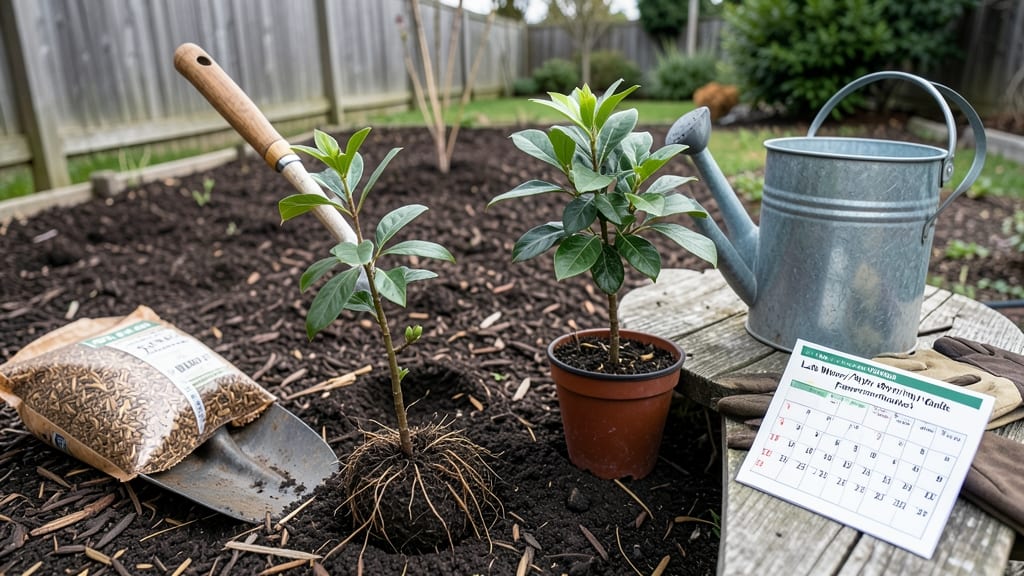
Timing your Crepe Myrtle 🌸 planting in Oklahoma can make the difference between a thriving tree and one that struggles to take root. With Oklahoma's 6b-7b climate, getting those roots established during the right window is everything—especially when frost dates shift unpredictably.
Most gardeners in Oklahoma know spring is the prime time, but did you know soil temperature matters just as much as calendar dates? Planting too early when the ground is still chilly can stall growth, while waiting too long risks summer heat stress.
I'll show you exactly when to pull the trigger for optimal results.
We'll break down the frost-free timeline for your region, whether you're in northern Oklahoma or the warmer southern areas. Plus, I'll share pro tips on soil prep and alternative planting windows that actually work here—no more guessing games.
Ready to plant your Crepe Myrtle with confidence? Let's dive into the perfect timing that'll have your tree blooming beautifully for years to come.
Oklahoma’s frost-free timeline: best months to plant crepe myrtles
Oklahoma’s diverse climate—spanning USDA zones 6b-8a—means your crepe myrtle planting window varies by region. Northern Oklahoma (like Oklahoma City) has later last frost dates (April 15), while Southern Oklahoma (like Tulsa) can plant as early as March 1.
Timing this right ensures your tree’s roots establish before summer heat or winter frost strikes.
Crepe myrtles (Lagerstroemia) are tender woody plants that despise frost. Planting too early risks root damage from late frosts, while waiting too long may stress young trees during summer droughts. The sweet spot is after your average last frost date and when soil warms to 60°F+.
For Northern Oklahoma, aim for late April to early May. In Central Oklahoma, March 15-April 15 works best, while Southern Oklahoma can start as early as February 28. Always check your local frost date maps—the Oklahoma Mesonet provides real-time data.
| Oklahoma Region | USDA Zone | Last Frost Date | Best Planting Window | Soil Temp Goal |
|---|---|---|---|---|
| Northern OK (Oklahoma City) | 6b-7a | April 15 | Late April - Early May | 60°F+ |
| Central OK (Stillwater) | 7a-7b | March 28 | March 15 - April 15 | 60°F+ |
| Southern OK (Tulsa) | 7b-8a | February 28 | February 28 - March 31 | 60°F+ |
Pro tip: Use bare-root crepe myrtles in early spring for faster establishment. These dormant trees wake up slower, giving roots time to acclimate before summer heat. If buying container-grown trees, plant anytime after frost—just water deeply afterward to reduce transplant shock.
For container planting, Oklahoma’s extended growing season lets you plant up to June 1 in Southern regions, but Northern areas should stop by May 15. Containers warm faster, so monitor root ball moisture closely during summer droughts.
Missed the spring window? Don’t panic—early fall planting (September-October) works in Southern Oklahoma, but Northern regions should wait until late September. Fall-planted trees focus on root growth before dormancy, setting them up for bigger blooms next year.
Always amend your soil with compost or aged manure before planting. Crepe myrtles thrive in well-draining soil with a slightly acidic pH (6.0-7.0). Test your soil’s drainage rate—if water pools after 6 hours, add sand or perlite.
Watch for late-spring frosts in April, especially in higher elevations like the Ozark Mountains. Young crepe myrtles can handle 28°F once established, but new plants need frost cloth protection until roots are 6+ inches deep.
Local nurseries like Oklahoma Native Plant Society often stock region-specific varieties (e.g., ‘Natchez’ for heat tolerance). Ask about dwarf varieties if space is limited—‘Acoma’ stays under 6 feet tall while still blooming beautifully.
Soil temperature & crepe myrtle planting: when to activate your calendar
Don't let Oklahoma's unpredictable spring weather trick you into planting your Crepe Myrtle too early. The key isn't just avoiding frost—it's ensuring the soil has warmed to 60°F or higher. At this temperature, roots can establish quickly before summer heat arrives.
In northern Oklahoma, this often means waiting until mid-April, while southern regions may see ready soil as early as late March.
Cold soil slows root growth dramatically. I've seen many gardeners rush planting in March only to watch their trees languish through cool nights. The root zone needs consistent warmth to activate growth hormones.
Even if daytime temperatures feel spring-like, morning soil temps can still be 50°F or below—perfect conditions for root rot.
Here's how to check your soil temperature accurately: Use a soil thermometer (available at garden centers for under $10) and measure 6 inches deep—where the roots will actually grow.
Take readings in the morning before the sun warms the surface. Most Oklahoma regions hit 60°F soil temp between March 25 and April 15, depending on your location.
Planting Crepe Myrtles in cold soil (below 50°F) risks:
- Stunted root growth from shock
- Increased fungal diseases like root rot
- Delayed blooming by 1-2 years
Pro Tip: If your soil isn't warm enough by April 15, consider container planting to control root zone temperature or wait until early May when heat is less intense.
For precise timing, track Oklahoma Mesonet data (free online) for your county. Their soil temperature maps show real-time readings that align perfectly with crepe myrtle needs. I cross-reference these with local frost dates to create a personalized planting window for each Oklahoma region.
For example, in Tulsa (Zone 7a), aim for April 1-15, while Oklahoma City (Zone 7b) can start slightly earlier.
If you're using bare-root crepe myrtles, soak the roots for 1-2 hours before planting to jumpstart hydration. Then, plant immediately after soil reaches 60°F to prevent desiccation. The first 48 hours after planting are critical—keep the root ball moist by watering deeply every 2-3 days until new growth appears.
Remember: The first two weeks after planting determine whether your crepe myrtle will thrive or struggle. Warm soil, proper moisture, and avoiding stress during this period sets the stage for years of vibrant blooms. Don't rush—your tree will thank you with healthier growth and bigger flowers next summer.