
Plants
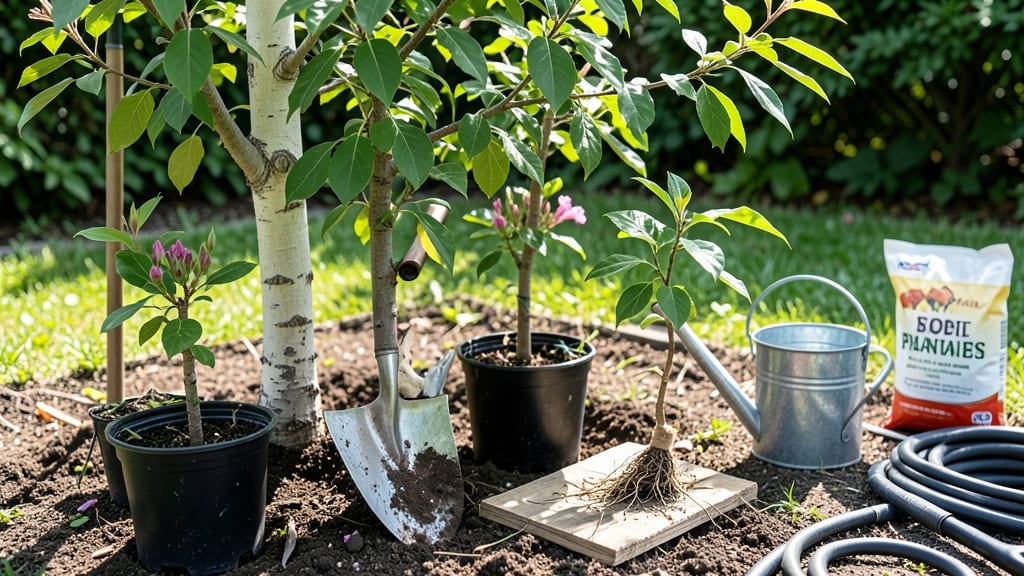
Planting your crape myrtle 🌸 at the wrong time in Oklahoma could mean struggling with frost damage or stunted growth—don’t let that happen to your prized tree! The key to vibrant blooms and long-term survival lies in understanding Oklahoma’s unique climate zones and frost patterns.
With USDA zones 6b-7b and unpredictable weather swings, timing matters more than you might think. I’ll break down the best months to plant—whether you’re in urban Oklahoma City or rural rural areas—so you can avoid transplant shock and give your crape myrtle the strongest start.
From late winter’s first warm spells to early fall’s cooling breeze, we’ll cover exactly when to dig in for zero-frost survival. Plus, I’ll share pro tips to adjust for Oklahoma’s microclimates, ensuring your tree thrives no matter where you live.
Ready to plant with confidence? Let’s dive into the perfect windows that’ll have your crape myrtle blooming beautifully year after year.
Optimal crape myrtle planting months in Oklahoma’s climate zones
Oklahoma’s USDA hardiness zones 6b–8a create unique challenges for crape myrtle planting. The last spring frost typically arrives between March 15 and April 15, while first fall frosts hit as early as November 15.
These dates define your 6-week planting windows each year—spring and fall—for maximum survival and growth.
Urban areas like Oklahoma City often experience earlier frosts than rural zones, so adjust your timing accordingly. For example, Tulsa’s Zone 7a allows slightly later spring planting than Panhandle’s Zone 6b. Always check the Oklahoma Mesonet for real-time frost alerts before planting.
Spring planting is ideal because soil temperatures reach 60°F+ by mid-April, giving roots time to establish before summer heat. Fall planting works too, but aim to finish by September 30 to avoid winter stress. Young trees need 6–8 weeks of root growth before cold snaps arrive.
Here’s how Oklahoma’s microclimates affect your timing:
Urban areas: Warmer microclimates (e.g., Oklahoma City) may push spring planting to April 15 safely. Rural areas: Cooler zones (e.g., western Oklahoma) should plant by April 1 to avoid late frosts. Always test soil—50°F+ is the minimum for root growth.
Soil preparation is key. Amend clay-heavy soils with compost or sand to improve drainage, and mulch heavily to retain moisture and regulate soil temps. In Zone 6b, use black plastic mulch in early spring to warm the soil faster.
Container planting extends your window. Potted crape myrtles can go in as early as February in Zone 8a (e.g., Southeastern OK) and moved outdoors after last frost. This 2-month head start boosts root development before transplanting.
Missed the spring window? Fall planting is your next best option. Plant bare-root trees in September or container-grown varieties in October. Water deeply before the first frost to hydrate roots for winter dormancy.
🌱
| Zone | Last Frost Date | Ideal Planting Window | Soil Temp Threshold | Fall Planting Deadline |
|---|---|---|---|---|
| 6b (Panhandle) | March 25–April 5 | April 1–15 | 60°F+ | September 15 |
| 7a (Oklahoma City) | March 15–April 1 | April 1–30 | 55°F+ | September 30 |
| 7b (Tulsa) | March 1–March 15 | April 1–May 10 | 50°F+ | October 10 |
| 8a (Southeast OK) | February 20–March 10 | March 1–April 15 | 45°F+ | October 31 |
Use this table to pinpoint your local planting window. For example, Zone 6b gardeners should plant by April 15, while Zone 8a areas can start as early as March 1. Always verify with your local extension office for hyper-local adjustments.
Pro tip: Hardened crape myrtles (Zone 5–9) thrive in Oklahoma, but young trees need winter protection. Wrap trunks with burlap in Zone 6b to prevent sunscald. In Zone 8a, mulch 3–4 inches deep to insulate roots.
Timing isn’t just about months—it’s about soil conditions. Use a soil thermometer to confirm 50°F+ before planting. If soil is too cold, roots won’t establish, leading to winter dieback. Patience pays off—wait for the right window to avoid common mistakes.
🌿
Optimal crape myrtle planting months in Oklahoma’s climate zones
Oklahoma’s USDA zones 6b–7b create a delicate balance for crape myrtles—too early, and frost zaps young roots; too late, and summer heat stresses them. The sweet spot is late winter through early spring when soil warms to 60°F+, but fall planting works too if timed right.
In northern Oklahoma (zone 6b), aim for March–April after the average last frost (March 15). Southern areas (zone 7b) can start as early as February, but monitor soil temperatures—they must stay above 55°F for 2+ weeks before planting.
| Zone | Best Planting Window | Soil Temp Threshold | Key Microclimate Tip |
|---|---|---|---|
| 6b (Northern OK) | March 15–April 15 | 60°F+ for 2+ weeks | Urban areas warm faster; rural zones lag 1–2 weeks. |
| 7a (Central OK) | February 28–April 1 | 55°F+ for 1+ week | Windbreaks help in open fields; container plants tolerate cooler soils. |
| 7b (Southern OK) | February 15–March 31 | 50°F+ for 1+ week | Early planting risks late frosts; use row covers if needed. |
| Fall Alternative | September 15–October 15 | 60°F+ soil | Plant 6–8 weeks before first frost; water deeply to harden roots. |
🌱 Pro Tip: Check Oklahoma Mesonet for real-time frost alerts before planting.
For urban Oklahoma City, city heat islands can push last frosts to April 1, while rural areas like Altus may see frost until April 15. Adjust by 1–2 weeks based on your local microclimate—use the Oklahoma Climatological Survey for precise data.
Fall planting (September–October) is a hidden gem for Oklahoma gardeners. The 60°F soil threshold is easier to meet in September, and trees establish roots before winter dormancy. Just avoid planting after October 15, or roots won’t harden before frost.
Container-grown crape myrtles offer flexibility—plant them 2–3 weeks earlier than bare-root trees since pots warm faster. Bury the container 1/3 deep for stability, and water daily for 2 weeks to reduce transplant shock.
Remember: Soil temperature > air temperature for planting success. Use a soil thermometer ($10 at garden centers) to confirm readiness—this simple tool saves hours of guesswork and prevents frost damage.