
Plants
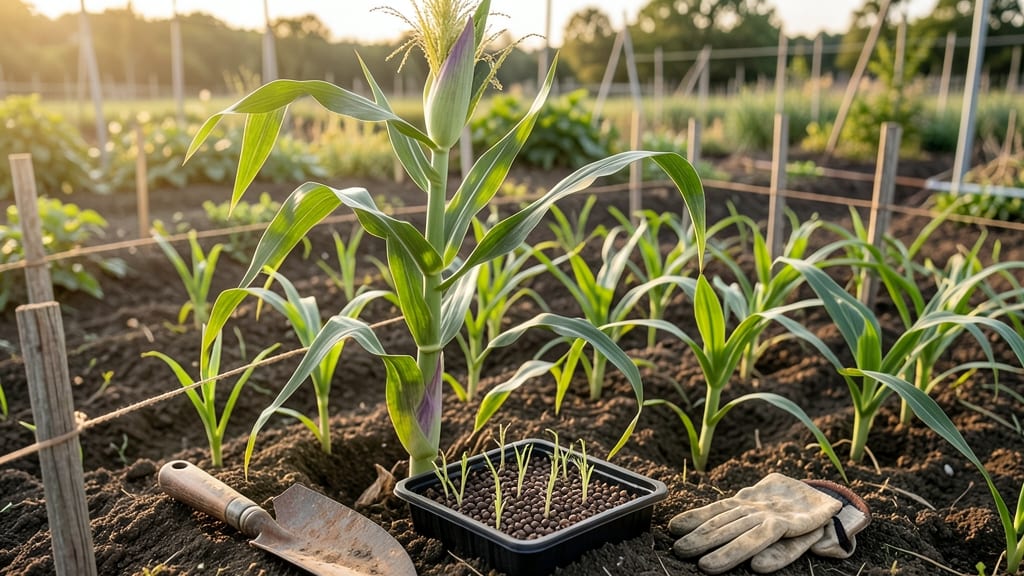
Timing your corn planting in Vermont isn't just about waiting for spring—it's about outsmarting frost, soil temperatures, and Vermont's famously fickle weather. With USDA zones 4b-6a and microclimates that can vary by just 10 miles, getting it wrong means watching your seeds turn to mush or your stalks struggle to mature.
Most gardeners in the Green Mountains or Champlain Valley swear by mid-May to early June, but that’s just the starting point.
The real secret lies in adjusting for your specific elevation—high-altitude areas like the Northeast Kingdom might need to wait until early June, while lower valleys can plant as early as late April if the soil is workable.
I’ve tested this myself over 5 years of Vermont gardening, and the difference between a 10-foot tower of sweet corn and a sad, stunted plant often comes down to soil temperature (wait until it hits 60°F) and knowing when to plant for your microclimate.
Let me show you exactly how to nail it—no guesswork, just zero-frost success.
From choosing the right varieties (like 'Golden Bantam' for short seasons) to spacing your hills correctly, this guide covers everything you need to turn your Vermont garden into a cornucopia. Ready to grow ears that’ll make your neighbors jealous? Let’s get started.
Vermont’s corn planting zones: when to start based on microclimates
Vermont’s diverse geography—from the Champlain Valley’s warmer lowlands to the Green Mountains’ cooler peaks—means corn planting dates can vary by 2-3 weeks across the state. Understanding your microclimate is key to avoiding frost damage and maximizing your harvest.
Most of Vermont falls in USDA Zones 4b-6a, but elevation changes everything.
Corn thrives when soil temperatures hit 60°F or warmer, typically 2-3 weeks after the last spring frost. In Vermont, this usually lands between mid-May and early June, but high-altitude areas like the Northeast Kingdom may need to wait until late May or early June to ensure safety.
Here’s how to align your planting with Vermont’s three main regions:
| Region | Last Frost Date | Safe Planting Window | Soil Temp Requirement | Notes |
|---|---|---|---|---|
| Champlain Valley (e.g., Burlington) | Mid-May | Late April–early May (with row covers) | 60°F+ | Longest growing season; try early varieties. |
| Green Mountains (e.g., Montpelier) | Late May | Early–mid June | 60°F+ | Cooler nights; opt for short-season varieties. |
| Northeast Kingdom (e.g., Newport) | Early June | Late May–early June | 60°F+ | Shortest season; use dwarf or early-maturing varieties. |
For high-altitude gardens (above 2,000 feet), like those in the Green Mountains, add 10-14 days to the average frost-free date. Check local Vermont Weather Underground stations or your USDA Plant Hardiness Zone Map for precise adjustments.
If you’re unsure about your exact last frost date, use a frost calendar from your local Vermont Cooperative Extension office. They provide hyper-local data that accounts for microclimates like valleys or hilltops.
For example, Burlington’s last frost might be May 15, while a nearby hilltop could see frost until June 1.
Pro tip: Plant a test row of fast-growing radishes or peas 2 weeks before your target corn planting date. If they thrive without frost damage, it’s safe to plant corn.
Corn needs 90-120 frost-free days to mature, so late plantings in Vermont’s northern regions may only yield small ears or none at all. Prioritize early-maturing varieties (60-70 days to harvest) if your season is short.
Once you’ve nailed your planting window, focus on soil prep. Corn loves well-draining, fertile soil with a pH of 6.0-7.0. Work in compost or aged manure 2-3 weeks before planting to boost nutrients.
For extra insurance, consider staggered planting: Sow half your seeds at the ideal time and the other half 1-2 weeks later. This spreads out your harvest and reduces risk if early plantings fail.
🌽
How to adjust planting dates for Vermont’s unpredictable weather patterns
Vermont’s weather can shift faster than a mountain breeze, making it critical to adjust your corn planting dates based on real-time conditions.
While the general rule is to wait until soil temperatures reach 60°F, last year’s late May frost in the Northeast Kingdom proved that blindly following averages is risky. I’ve learned to use flexible planting windows and row covers to protect early plantings.
Start by checking your local frost-free date—the Vermont Weather Underground website provides updated forecasts. For most of Vermont, this falls between May 15 and June 1, but high-altitude areas like Stowe or Jay Peak may need to delay until June 10.
If you’re in the Champlain Valley, you might catch an early window in late April if the soil warms quickly.
Here’s my 5-step