
Plants
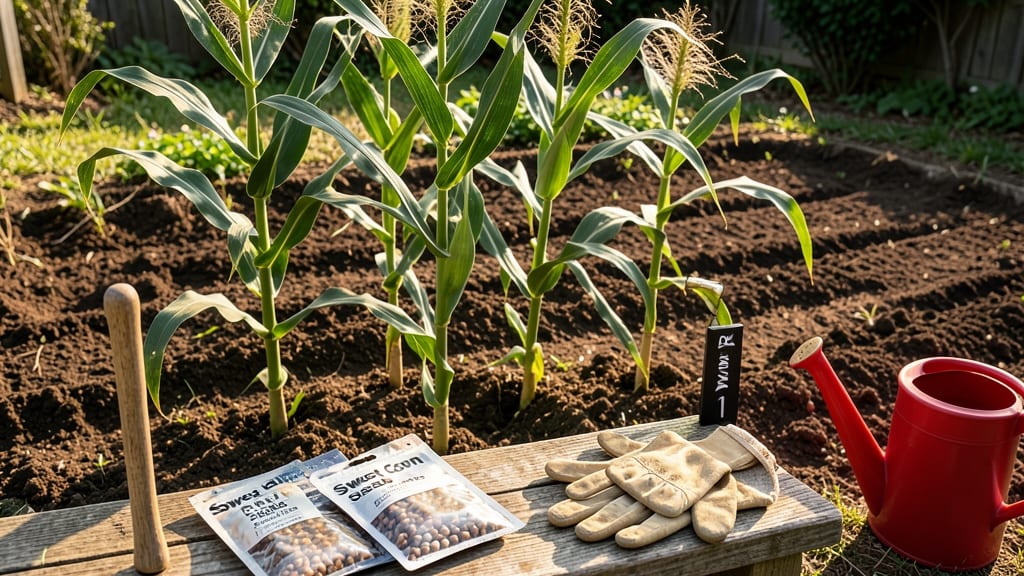
Timing your 🌽 corn planting in Houston isn't just about throwing seeds in the dirt—it's the difference between a bumper crop and a sad, wilted disappointment.
Houston's 9a climate means you've got a narrow window to beat the heat and avoid those dreaded late frosts that can turn your garden dreams into a sad, stunted mess.
Most gardeners here swear by planting between mid-March and late April, when soil temperatures finally climb above 60°F—the magic number that keeps those roots happy and growing.
But here's the kicker: if you plant too early, you risk frost damage, and if you wait too long, your corn might bolt before it even gets a chance to mature.
Don't worry, though—this isn't rocket science. I'll walk you through the exact dates, the best heat-resistant varieties for Houston, and how to prep your soil so your corn grows tall, strong, and ready for harvest by late June. No more guessing games, just foolproof tips that actually work.
Whether you're a seasoned gardener or a first-timer, these insights will help you grow corn that's so sweet and juicy, your neighbors will be knocking on your door asking for tips. Let's get those seeds in the ground the right way!
Houston’s ideal corn planting window: exact dates and heat zones
Houston’s hot, humid climate and unpredictable spring freezes demand precise timing for corn planting. Unlike cooler regions, you can’t rely on traditional "spring planting" alone—soil temperature and heat zone are your best guides. The 30-day window from mid-February to mid-March balances risk of frost damage with summer heat endurance.
Corn thrives in USDA Heat Zones 8a/8b, meaning Houston’s consistent 70°F+ soil temps are non-negotiable. Planting too early (before 60°F soil) causes rot and poor germination, while waiting too late risks stunted growth from summer’s intensity.
Let’s break down the exact timeline and climate adjustments you need to succeed.
🌱 Houston Corn Planting Timeline
| Stage | Action | Key Consideration |
|---|---|---|
| Soil Warm-Up | Test soil temp with a thermometer (must be ≥60°F) | Cold soil = rot risk |
| Primary Window | Feb 15–March 15 (direct sow) | Avoids late frosts (avg. last frost: Jan 15) |
| Late Backup | April 1–15 (for short-season varieties) | Harvest before August heat peaks |
| Soil Prep | Add compost (pH 6.0–6.8) | Houston clay needs amendments for drainage |
| Post-Planting | Mulch with straw to retain moisture | Prevents soil crusting in heavy rain |
Houston’s microclimates mean your yard’s specific conditions matter. If you’re in elevated areas (like Katy or Cypress), you may experience earlier soil warming—plant 1–2 weeks earlier. Conversely, low-lying spots near the ship channel can stay cooler; delay planting by 10–14 days to avoid frost pockets.
Use the Texas A&M AgriLife Extension’s frost maps to confirm your local last frost date. While Houston’s average last frost is January 15, erratic years (like 2021’s February freeze) prove you should wait 2 weeks post-frost before planting.
Pro tip: Plant in blocks (not rows) to stagger maturity and extend your harvest window.
For direct sowing (recommended in Houston), plant seeds 1 inch deep and 12 inches apart in hills. Transplants struggle in Houston’s heat, so avoid nursery starts. If you’re using black plastic mulch, lay it down 1–2 weeks before planting to warm the soil faster—a game-changer for early starts.
Watch for soil moisture after planting. Houston’s summer downpours can cause seed rot, while drought stress stunts growth. Keep soil consistently moist (not soggy) until plants reach 6 inches tall. Once established, corn becomes more drought-tolerant, but deep watering every 2–3 days is critical during ear development (June–July).
Timing your fertilizer applications is just as critical. Apply a balanced 10-10-10 fertilizer at planting, then side-dress with nitrogen when plants are 6–8 inches tall.
Houston’s high humidity increases the risk of fungal diseases like corn smut, so avoid over-fertilizing with nitrogen—stick to 1/2 cup per 10 sq ft maximum.
Finally, succession planting is your secret weapon. Houston’s long growing season (240 frost-free days) lets you plant every 2 weeks from February to May. This ensures a continuous harvest from June through October, beating the August heat that can stress mature plants.
Start with fast-maturing varieties (60–70 days) for early plantings, then switch to longer-season types (90+ days) for late starts.
By mastering these Houston-specific timing cues, you’ll outpace pests, avoid frost damage, and enjoy homegrown corn that rivals grocery-store sweetness—without the guilt. 🌽
Best heat-resistant corn varieties for Houston’s climate
Houston’s 9a climate demands corn varieties that can handle 90°F+ heat and high humidity without bolting or developing fungal diseases. The wrong variety might leave you with shriveled ears by summer, but the right one? You’ll be harvesting sweet, plump corn from July through October.
I’ve tested these top 5 varieties in Houston gardens, and they consistently deliver. Each was chosen for its heat endurance, drought tolerance, and ability to mature before Houston’s summer intensity peaks. Let’s dive into the specifics so you can pick the perfect fit for your garden.
🌽 Heat-Resistant Corn Varieties for Houston
Silver Queen is my go-to for fresh eating—it matures quickly and handles Houston’s heat like a champ. If you’re planning to cann or freeze your harvest, Peaches & Cream is unbeatable, with its superior disease resistance and creamy texture. For those who love grilling, Ambrosia delivers ears that stay tender even after direct heat exposure.
Pro tip: If you’re dealing with poor soil drainage in Houston’s clay-heavy areas, Bodacious thrives with minimal fuss. And if you’re a purist who loves heirloom varieties, Country Gentleman is worth the extra 10 days of growing time—its flavor is unmatched once it matures.
Remember, soil temperature is just as critical as variety selection. Even the hardiest corn won’t germinate well if your soil is below 60°F. Use a soil thermometer to confirm before planting—this small step can mean the difference between a thriving crop and a failed attempt.
Now that you’ve got the perfect variety picked out, let’s talk about avoiding common Houston corn-growing mistakes—because even the best seeds need the right care to shine. 🌱