
Plants
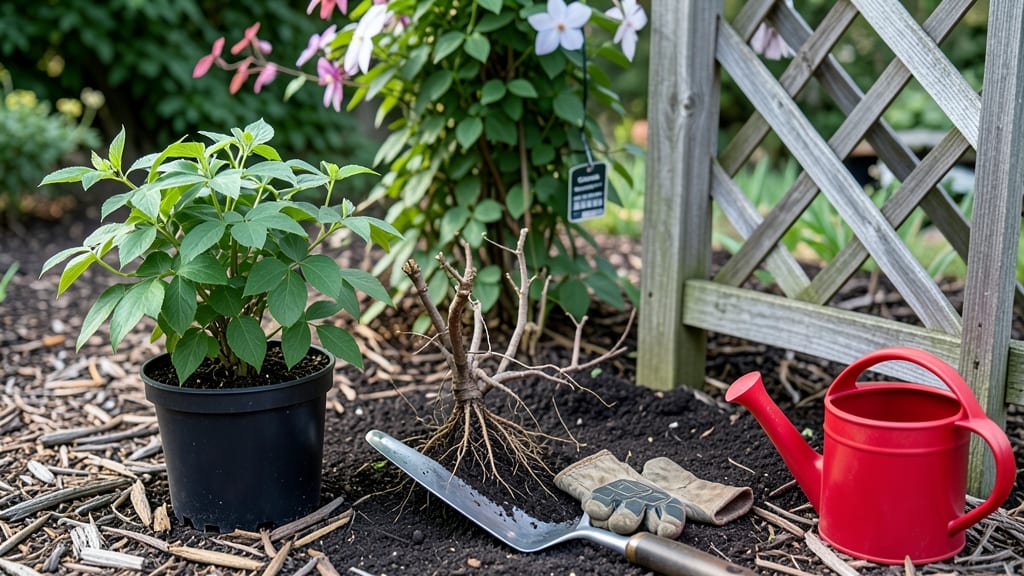
If you’ve ever struggled with when to plant clematis in Texas, you’re not alone—this vine thrives in 8a-10b zones, but Texas’s brutal summers and unpredictable winters demand precision. Plant too early, and scorching heat zaps young roots; too late, and frost can stunt growth before it starts.
Here’s the secret: fall (October–November) and early spring (February–March) are your golden windows. Fall gives roots time to establish before winter, while spring lets them soak up moisture before summer’s intensity. But Texas isn’t one-size-fits-all—North Texas’s cooler winters and South Texas’s milder ones shift the ideal timeline.
I’ll break down the exact months for your region, soil prep tricks to beat Texas’s clay-heavy dirt, and how to choose the hardiest clematis varieties for 100°F+ summers. Skip the guesswork and plant with confidence—your 🌸 clematis will thank you with lush, blooming vines.
Ready to transform your garden? Let’s dive into the step-by-step timing, care tips, and pro hacks that’ll make your clematis the star of your Texas landscape—no matter where you live in the Lone Star State.
Best planting windows for clematis in Texas: fall vs. early spring breakdown
Texas's hot summers and mild winters create unique challenges for clematis growers. Unlike cooler climates, timing your clematis planting between fall and early spring can make or break your vine's success. The key is avoiding extreme heat while giving roots time to establish before winter chills arrive.
Most Texas gardeners swear by fall planting (October–November) because cooler soil temperatures help roots settle in before dormancy. However, early spring (February–March) works too—just be ready to protect young plants if an unexpected frost hits. Let’s break down the pros, cons, and regional tweaks for each window.
🌱
| Factor | Fall Planting (Oct–Nov) | Early Spring Planting (Feb–Mar) |
|---|---|---|
| Best For | Root establishment before winter | Early growth before summer heat |
| Soil Temp | Cool (60–70°F), ideal for roots | Warming (55–75°F), faster growth |
| Frost Risk | Low in South TX; moderate in North TX | High in North TX; low in South TX |
| Water Needs | Moderate (cooler = less evaporation) | High (spring droughts common) |
| Bloom Timing | Next spring/summer (established roots) | Current summer (if planted early Feb) |
| Regional Note | North TX: Plant by Nov 1; South TX: Dec 1 | North TX: Wait until after last frost (mid-Mar); South TX: Feb 1 |
For North Texas (Zones 7b–8a), aim for fall planting by November 1 to avoid early winter freezes.
In Central Texas (Zones 8a–8b), both fall and spring work, but spring planting risks summer heat stress if delayed. South Texas (Zones 9a–10b) gardeners can plant as late as December or as early as January—just ensure soil temps stay above 50°F.
Pro tip: If planting in early spring, choose hardy varieties like ‘Jackmanii’ or ‘Comtesse de Bouchaud’ to bounce back faster from potential frost. Always mulch heavily (3–4 inches) to protect roots in both seasons.
One common mistake? Planting in late spring or summer. Clematis hates transplant shock combined with 100°F+ soil. If you miss fall/spring, wait until next year—your vine will thank you with healthier blooms and stronger vines.
Regardless of timing, acclimate your clematis for 1–2 weeks before planting by storing containers in partial shade. This hardens roots and reduces shock when exposed to Texas’s intense sun or dry winds.
🌿
After planting, water deeply (1–2 gallons per plant) and avoid overhead watering to prevent fungal diseases like powdery mildew. In fall-planted vines, reduce watering slightly in December to encourage dormancy. For spring-planted clematis, keep soil consistently moist until roots establish (about 6–8 weeks).
💧
Best planting windows for clematis in Texas: fall vs. early spring breakdown
Texas gardeners face a unique challenge with clematis—our long, hot summers and variable winters demand precise timing. Planting too early exposes young roots to 100°F+ heat, while late planting risks frost damage. The ideal windows are fall (October-November) and early spring (February-March), but regional differences matter.
North Texas gardeners (Zones 7b-8a) should aim for mid-October to early November in fall or late February to March in spring. Central Texas (Zones 8a-8b) has a slightly longer window—October through December for fall and February through April for spring.
South Texas (Zones 9a-10b) can plant as late as December-January in fall or March-April in spring.
| Factor | Fall Planting (Oct-Nov) | Early Spring Planting (Feb-Mar) |
|---|---|---|
| Root Establishment | Cooler temps = faster root growth | Slower but steady in mild spring |
| Heat Stress Risk | Low (avoid summer heat) | Moderate (watch for early heat waves) |
| Frost Risk | Minimal in most regions | Possible in North Texas |
| Bloom Time | Next year's blooms | Current year's blooms possible |
| Best For | Established roots before winter | Early-season growth boost |
Fall planting gives clematis a head start on root development before winter dormancy. The cooler October-November temps (60-75°F) create perfect conditions for root growth without summer heat stress. I’ve found that clematis planted in fall often bloom more vigorously the following year because they establish stronger root systems.
Early spring planting works well for gardeners who miss fall, but requires extra care during Texas' unpredictable spring weather. Plant in February-March when soil temps stay above 50°F but before 90°F+ heat arrives.
Use mulch to retain moisture and protect young plants from late frosts that can still occur in North Texas.
For South Texas gardeners in Zones 9-10, fall planting extends into December thanks to milder winters. However, avoid planting after November 15 in North Texas—winter frosts can damage tender new growth. Always check your local last frost date (typically February 15 in North Texas) when planning spring plantings.
Pro tip: If you must plant in summer (June-August), choose shade-tolerant varieties like 'Comtesse de Bouchaud' and provide extra mulch to protect roots from heat. But I strongly recommend sticking to fall or spring for best results—summer planting is risky in Texas' intense climate. 🌸