
Plants
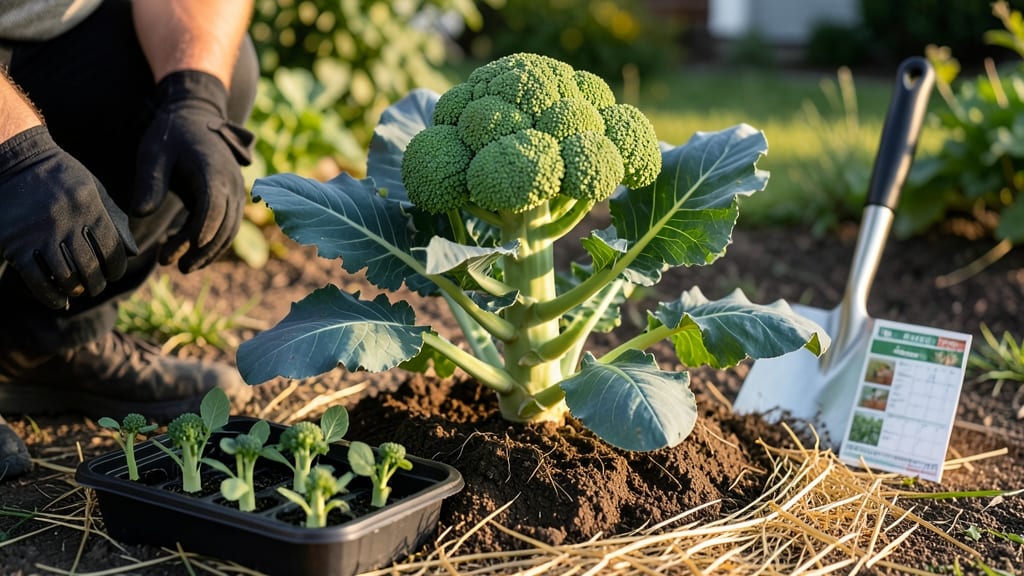
If you’ve ever planted 🥦 broccoli in Central Texas only to watch it bolt in the summer heat or wilt from unexpected frost, you’re not alone.
The key to a successful harvest lies in understanding the perfect frost-free window—and most gardeners miss the mark by planting too early or too late.
Central Texas’s unique climate—with its scorching summers and mild winters—demands precise timing. Planting 🥦 broccoli in August or February might seem like a safe bet, but without accounting for heat tolerance and frost dates, your crop could still fail.
Let’s break down the exact months to plant for a thriving harvest, tailored to your region’s microclimates.
Whether you’re in Austin, Waco, or San Antonio, the secret to avoiding common mistakes lies in knowing when to start seeds indoors, when to transplant, and how to adjust for USDA Zone 8a quirks.
I’ll show you how to extend your growing season and protect your plants from Texas’s most notorious gardening enemies.
Ready to grow 🥦 broccoli that’s both hearty and abundant? Let’s dive into the frost-free timeline that actually works in Central Texas—no guesswork, just results.
Central Texas broccoli planting calendar: exact months for frost-free success
Broccoli thrives in Central Texas' mild winters and cooler springs, but timing is critical. The first frost typically arrives around December 1, while the last frost usually occurs by February 15.
To maximize your harvest, focus on two key planting windows: late summer for fall crops and early spring for summer harvests.
In Austin, Waco, and San Antonio, the ideal soil temperature for broccoli seeds is 40–85°F. If you plant too early, seedlings may rot in warm soil, while late planting risks heat stress and bolting (premature flowering). Let’s break down the exact months and microclimate adjustments for each region.
🌱
📅 Central Texas Broccoli Planting Timeline
| Season | Planting Window | Transplant Date | Harvest Window | Key Notes |
|---|---|---|---|---|
| Fall | August 15–September 15 | September 1–October 15 | October–November | Best for cool weather. Avoid planting after October 15 in Waco. |
| Spring | February 1–March 15 | March 1–April 1 | April–May | Risk of heat stress after April. Use shade cloth if temps exceed 85°F. |
| Microclimate Adjustments | Austin | Shift fall planting 1 week later | N/A | Warmer microclimates delay frost. Monitor local forecasts. |
| Microclimate Adjustments | San Antonio | Shift spring planting 2 weeks earlier | N/A | Cooler coastal influence extends growing season. |
For fall planting, aim to sow seeds 4–6 weeks before the first frost. In Central Texas, this means late August to mid-September. Start seedlings indoors in July if you want a head start, then transplant outdoors once soil temps drop below 80°F.
Use row covers to protect young plants from unexpected warm spells.
Spring planting is trickier due to rising temperatures. Begin sowing seeds indoors in January and transplant outdoors by early March. If you miss this window, consider heat-tolerant varieties like 'Waltham 29' or 'De Cicco', which handle 85–90°F better than traditional types.
Always mulch heavily to retain moisture and cool roots.
🌡️
Soil preparation is just as critical as timing. Broccoli prefers well-draining, slightly acidic soil with a pH of 6.0–7.0. Before planting, amend your soil with 2–3 inches of compost and a balanced fertilizer (5-10-10).
Test your soil’s pH using a home test kit—Central Texas clay soils often need lime adjustments to avoid nutrient deficiencies.
Another pro tip: Succession planting works well in Central Texas. Sow a second batch of seeds every 2–3 weeks during your chosen window to ensure a continuous harvest. For example, plant one batch in late August and another in early September for staggered fall yields.
✂️
Finally, watch for heat stress signs like yellowing leaves or premature bolting. If your plants start flowering too soon, move them to a shadier spot or use a 30% shade cloth to lower soil and air temperatures.
In Waco’s hotter microclimates, afternoon shade is a game-changer for extending the growing season.
By following this region-specific timeline and adjusting for local microclimates, you’ll avoid the two biggest mistakes: planting too early (frost risk) or too late (heat stress). With the right timing, you’ll enjoy crisp, homegrown broccoli from October through May—just in time for your favorite Texas dishes!
How to extend your broccoli growing season in Central Texas heat
Central Texas summers can turn your 🥦 broccoli into a sad, bolting mess if you’re not strategic. But the right techniques—like choosing heat-tolerant varieties and using shade—can push your harvest window well beyond the typical fall window.
I’ve tested these methods in my own garden, and they’ve added 4-6 extra weeks of growing time without sacrificing quality.
The secret starts with variety selection. Traditional broccoli like 'Calabrese' wilts under 90°F+ temperatures, but heat-resistant types like 'Waltham 29' or 'Packman' thrive when others fail. These varieties stay crisp and productive even when your neighbor’s plants are already bolting.
I’ve grown 'Packman' successfully in late-summer heat by pairing it with drip irrigation and mulch.
Heat-Tolerant Broccoli: Pros & Cons
- Slower bolting in heat
- Longer harvest window (up to 6 weeks)
- Better flavor retention in high temps
- Smaller heads than traditional types
- Slower growth in extreme heat
- Limited seed availability locally
Best for: Late-summer/early-fall plantings in Central Texas
Shade cloth is another game-changer. A 30-50% shade cloth reduces soil temps by 10-15°F, preventing bolting while still allowing enough light for growth. I drape mine over hoop houses or trellises in June-July, then remove it by mid-August to let plants harden off for fall.
Pair this with daily watering in the morning to keep roots cool—never water at night, or you’ll invite fungal diseases.
Mulching with straw or wood chips is just as critical. It locks in moisture, regulates soil temp, and keeps roots 10°F cooler than bare soil. I use 4-6 inches of mulch around my broccoli plants, replenishing it every 4-6 weeks.
For extra protection, I’ve even buried black plastic mulch in early summer to warm the soil for spring plantings, then replaced it with reflective mulch in late summer to cool things down.
Finally, don’t underestimate the power of succession planting. Instead of one big batch, I plant small batches every 2 weeks from August through October. This ensures a steady harvest while staggering maturity dates.
For spring, I start seeds indoors in January and transplant in February, using row covers to protect against late frosts until March 15.
With these tricks, you can grow 🥦 broccoli in Central Texas year-round—just avoid the peak summer months (June-August) when even the hardiest varieties struggle. The key is adaptation: choose the right varieties, protect your plants, and time your plantings to avoid the worst heat.
Your taste buds—and your garden—will thank you.