
Plants
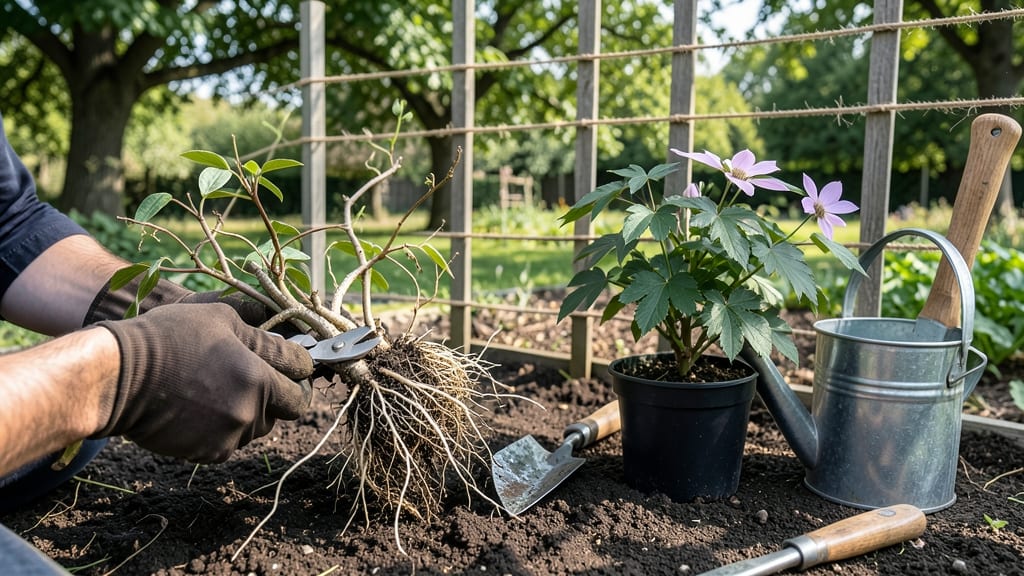
If you’re dreaming of climbing 🌸 clematis vines bursting with color along your Colorado fence, timing your planting is the most important step—get it wrong, and your plants might not survive the season. Colorado’s shifting frost dates and high-altitude microclimates mean the usual spring planting advice doesn’t always apply here.
Most gardeners assume spring is the only option, but fall planting can actually give clematis a head start on root growth before winter. The key is knowing when to plant in your specific zone—whether you’re in Denver’s Zone 5 or the higher elevations of Zone 7.
In this guide, I’ll break down the best months for planting in Colorado, how to prepare your soil for success, and why some varieties thrive better in fall than spring. You’ll learn exactly when to dig in for strong, healthy vines that bloom for years.
Whether you’re a first-time gardener or a seasoned pro, these insights will help you avoid common mistakes and set your clematis up for a stunning display. Let’s get started!
Best time to plant clematis in Colorado: fall vs spring breakdown by hardiness Zone
Colorado’s USDA Zones 4–7 create unique challenges for planting clematis, where last frost dates can vary by 1,000+ feet in elevation. In Denver (Zone 5), last frosts typically hit mid-April, while Colorado Springs (Zone 5) may see them as late as May 1.
High-altitude areas like Fort Collins (Zone 4) face even earlier frosts, making timing critical. Fall planting often outperforms spring in these zones due to cooler soil temperatures and reduced transplant shock.
For spring planting, aim for April 15–May 15 in most of Colorado, but adjust for high-altitude gardens (e.g., Aspen or Leadville) by waiting until late May.
Soil temperatures should stay above 50°F (10°C) for at least 2 weeks to encourage root growth. Fall planting, however, offers a 6–8 week head start on root establishment before winter dormancy.
Here’s how to decide between fall vs. spring based on your Colorado location:
🌱 Comparison Table: Fall vs. Spring Planting for Clematis in Colorado
| Factor | Fall Planting (Sept–Oct) | Spring Planting (Apr–May) |
|---|---|---|
| Best Soil Temp | 50–65°F (10–18°C) | 55–70°F (13–21°C) |
| Root Establishment | 6–8 weeks before frost | 4–6 weeks before summer heat |
| Frost Risk | Low (if planted 4+ weeks before first frost) | High (late frosts common) |
| Watering Needs | Moderate (cooler temps reduce evaporation) | High (spring rains + summer drought) |
| Colorado Zones | Ideal for Zones 4–7 | Best for Zones 5–7 (riskier in Zone 4) |
| Microclimate Tip | Use straw mulch in high-altitude areas | Add row covers for late frosts |
⚠️ Pro Tip: Test soil moisture before planting—dry fall soil in Denver may require pre-watering.
In Zone 4 (e.g., Steamboat Springs), fall planting is your best bet, as spring soils can stay frozen until late May.
For Zone 5–7 (Denver, Colorado Springs, Pueblo), both seasons work, but fall offers 30% faster root growth due to cooler temperatures. Zone 6–7 (lower elevations like Alamosa) can push spring planting to late May, but monitor soil warmth—clematis roots need consistent warmth to avoid rot.
Colorado’s microclimates demand extra attention. Urban heat islands in Denver may allow earlier spring planting (e.g., March 15 in south-facing gardens), while mountain valleys like Eagle County should delay until May 1. Always check local frost dates via the Colorado Climate Center for precision.
If you choose spring planting, harden off nursery plants for 7–10 days before transplanting to reduce shock. Fall plantings benefit from mulching with straw (3–4 inches) to insulate roots during winter temperature swings.
Both methods require well-draining soil—amend with compost or perlite if your Colorado clay feels dense.
For high-altitude gardens (6,000+ ft), prioritize early fall planting (August–September) to avoid short growing seasons. In these areas, cold-hardy varieties like ‘Jackmanii’ or ‘Warsaw Nursery’ thrive better than tender types. Spring plantings above 7,000 ft often fail due to late snowmelt delaying soil warming.
Remember: Clematis roots hate soggy soil. In Colorado’s alkaline soils, mix in peat moss or pine bark to improve drainage. Mulch heavily in winter to protect roots from freeze-thaw cycles, which can heave plants out of the ground.
With the right timing, your clematis will reward you with vibrant blooms by summer!
🌸
Best time to plant clematis in Colorado: fall vs spring breakdown by hardiness Zone
Colorado’s diverse growing zones—from Denver’s Zone 5 to the high-altitude Zone 7 of the mountains—mean there’s no one-size-fits-all answer for clematis planting. In lower elevations like Colorado Springs, you can plant as early as late March, while higher elevations near Boulder may wait until mid-May to avoid frost damage.
The key is planting when soil temperatures reach 50°F (10°C) and stay there consistently.
Fall planting, however, often gives clematis a competitive edge in Colorado’s dry climate. By planting in September or early October, roots establish before winter, giving your vines a 2-3 week head start in spring.
This is especially critical in Zone 4 areas where winters are harsher. Let’s break down the pros and cons of each approach for your specific zone.
🌱 Comparison Table: Fall vs. Spring Planting for Colorado Clematis
| Factor | Fall Planting (Sept–Oct) | Spring Planting (Apr–May) |
|---|---|---|
| Best For | Zones 4–6 (Denver, Fort Collins) | Zones 5–7 (Colorado Springs, Pueblo) |
| Soil Temp | 50–60°F (10–15°C) | 55–65°F (13–18°C) |
| Root Growth | Establishes before dormancy | Grows with above-ground foliage |
| Frost Risk | Low (roots protected by mulch) | High (late frosts in April–May) |
| Watering Needs | Moderate (soil stays moist) | High (spring droughts common) |
| Bloom Time | Faster in Year 2 | Slower (Year 3 blooms) |
For gardeners in Zone 5 (Denver, Fort Collins), fall planting in late September is ideal—this gives roots time to harden off before the first frost, typically around mid-October.
In Zone 6 (Colorado Springs), you can extend planting into early November, but avoid planting after the first frost to prevent root rot. Spring planting in these zones should wait until after May 15 to ensure no late frosts zap your new growth.
In higher elevations (Zone 7), like near Aspen or Leadville, spring planting is often safer. The shorter growing season means fall planting must happen by early September to allow roots to establish before winter.
If you’re unsure about your exact frost dates, check the Colorado State University Extension for localized data—it’s a game-changer for clematis success.
One common mistake Colorado gardeners make is planting too early in spring, only to have tender shoots fried by a late frost. To avoid this, use row covers or plant near a south-facing wall for extra protection.
And remember: clematis roots need to stay cool and moist—mulch heavily with straw to retain moisture and insulate roots during temperature swings.
No matter when you plant, always bury the crown 4–6 inches deep—this protects it from freezing and encourages stronger root growth. With the right timing and a little extra care, your clematis will thrive in Colorado’s challenging climate and reward you with stunning blooms for years to come. 🌸