
Plants
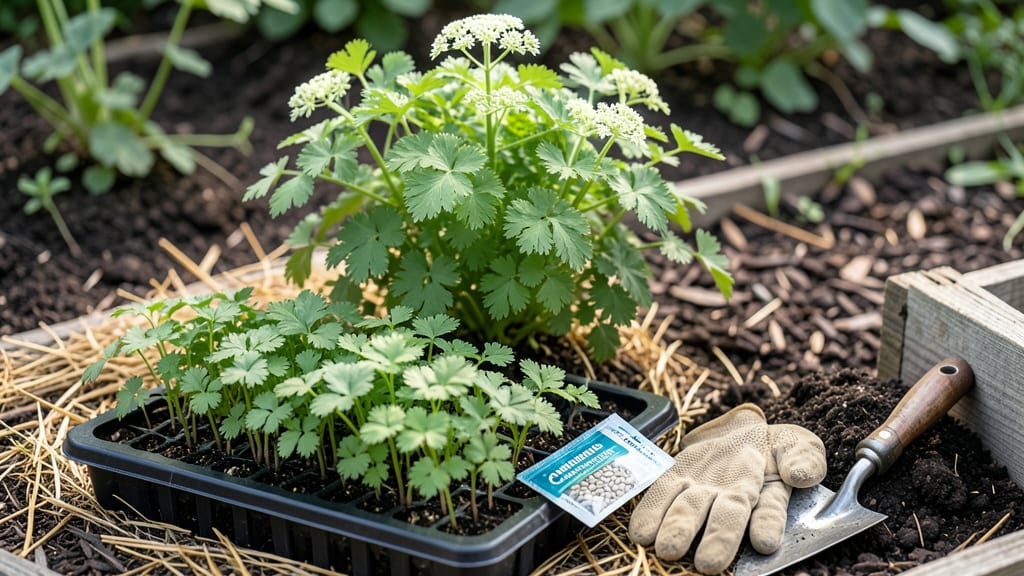
If you've ever planted cilantro in Georgia only to watch it bolt into bitter seeds by summer, you're not alone. The key to growing fresh, flavorful 🌿 cilantro all season lies in planting it at the perfect time—before the heat arrives.
With Georgia's 7b-8b climate zones, timing your cilantro seeds is everything to avoid disappointment.
Most gardeners in Georgia know that cilantro thrives in cooler weather, but many miss the narrow window between late winter and early spring when temperatures are ideal. Planting too early risks frost damage, while waiting too long means your cilantro will bolt before you can harvest.
I'll show you exactly when to sow seeds in both spring and fall for the best results.
For spring plantings, aim for February to March—just before the last frost date around March 15. In fall, August to September is your best bet to beat the summer heat. These windows ensure your cilantro grows strong and flavorful before the Georgia heat sets in.
Discover the exact planting schedule for your region, plus tips to extend your harvest and keep your cilantro from turning bitter. Let's get started!
Georgia cilantro planting calendar: best months by climate Zone
Georgia’s three distinct climate zones—North (Zone 7a), Central (Zone 8a), and South (Zone 8b)—create unique frost-free windows for cilantro. Planting outside these windows risks bolting or stunted growth. Let’s break down the ideal planting months for each zone, including soil prep timing and heat escape strategies.
In North Georgia (Zone 7a), the last frost typically hits around March 15, giving you a 4-6 week window before summer heat arrives.
For Central Georgia (Zone 8a), the frost-free period starts 2 weeks earlier, while South Georgia (Zone 8b) enjoys a longer growing season with milder winters. These differences mean your planting schedule should shift slightly depending on where you live.
Key rule for all zones: Cilantro thrives when soil temps stay below 75°F. Use a soil thermometer to monitor—if it hits 80°F, your plants will bolt within 2 weeks. Here’s your zone-specific planting calendar:
| Zone & Location | Best Planting Window | Soil Prep Month | Heat Escape Strategy | Harvest Window |
|---|---|---|---|---|
| North Georgia (Zone 7a) Atlanta, Dalton, Blue Ridge |
Feb 15 - Mar 15 Aug 15 - Sep 15 |
Jan-Feb Jul-Aug |
Shade cloth 30% Succession plant every 2 weeks |
Mar 30 - May 15 Oct 1 - Nov 15 |
| Central Georgia (Zone 8a) Macon, Columbus, Warner Robins |
Feb 1 - Mar 30 Aug 1 - Sep 30 |
Jan-Feb Jul-Aug |
Shade cloth 20% Plant near tall crops (sunflowers) |
Mar 15 - Jun 1 Sep 15 - Nov 30 |
| South Georgia (Zone 8b) Savannah, Brunswick, Valdosta |
Jan 15 - Mar 15 Jul 15 - Sep 15 |
Dec-Jan Jun-Jul |
Drip irrigation + mulch Plant in containers for mobility |
Feb 15 - Apr 30 Aug 30 - Dec 15 |
Notice how South Georgia gets an extra month of planting in both spring and fall? That’s because milder winters and later frosts create a longer growing season. If you’re in Zone 8b, don’t hesitate to try December plantings—just use row covers for frost protection.
For spring plantings, aim to have your cilantro harvested before Memorial Day (May 25-30). After that, temperatures rise too quickly, and even shade won’t save your plants.
My pro tip: Start seeds indoors 4-6 weeks before your zone’s last frost date, then transplant seedlings when soil temps hit 50-60°F.
Fall is your second chance for cilantro in Georgia. Plant 8-10 weeks before your first frost (aim for mid-August in most zones). This gives your plants time to mature before cooler temps slow growth.
In North Georgia, you might even squeeze in a third planting in late September for a Christmas harvest!
One critical mistake I see Georgia gardeners make? Waiting until April to plant. By then, soil temps are already climbing, and cilantro bolts within 3 weeks.
Instead, plant in February for a spring harvest or August for fall. Your soil prep should include compost to retain moisture and mulch to insulate roots.
Pro move: Test your soil’s pH (6.2-6.8) before planting. Cilantro prefers slightly acidic soil, and Georgia’s native clay often needs amendments. Mix in peat moss or pine needles if your test shows pH above 7.0. A happy cilantro plant starts with the right soil!
🌱
How to extend cilantro’s growing season in Georgia’s heat
Georgia’s summer heat can turn your cilantro into a bitter, bolted mess—but with the right strategies, you can enjoy fresh harvests all year. The key is preventing heat stress and extending the cool-season window.
I’ve tested these methods in my own garden, and they work like magic for keeping cilantro happy even when temperatures climb.
First, shade cloth is your best friend. A 30-50% shade cloth reduces soil and air temperatures by up to 15°F, giving cilantro the cool conditions it craves.
Install it over your plants by late May to protect them as summer approaches. Pair this with drip irrigation to keep roots cool and soil moisture consistent.
Next, succession planting ensures a steady supply. Instead of sowing all your seeds at once, plant small batches every 2-3 weeks from February through April. This way, as older plants bolt, newer ones take their place.
For fall, start your last succession in early August to harvest before the first frost in mid-November.
- Use 30-50% shade cloth to block intense afternoon sun.
- Plant fast-maturing varieties like ‘Santo’ or ‘Calypso’ (ready in 30-45 days).
- Sow seeds in partial shade (e.g., under fruit trees or near north-facing walls).
- Harvest early and often—cut leaves when 4-6 inches tall to encourage bushier growth.
- Try container gardening with pots on a shaded patio for urban gardeners.
Companion planting also helps regulate temperature and deter pests. Pair cilantro with leafy greens like lettuce or slow-growing herbs like dill, which provide shade and compete less for nutrients. Avoid planting near fennel or coriander, as they can cross-pollinate and affect flavor.
For late-season plantings, mulch heavily with straw or wood chips to insulate roots and retain moisture. This buys you an extra 2-3 weeks of growing time before bolting sets in. And if all else fails, harvest the stems before seeds form—even bolted cilantro leaves are edible and less bitter!
With these tricks, you’ll enjoy fresh cilantro from February through November—no bitter surprises in sight. The secret? Stay proactive with shade, water, and timing. Your taste buds will thank you! 🌿