
Plants
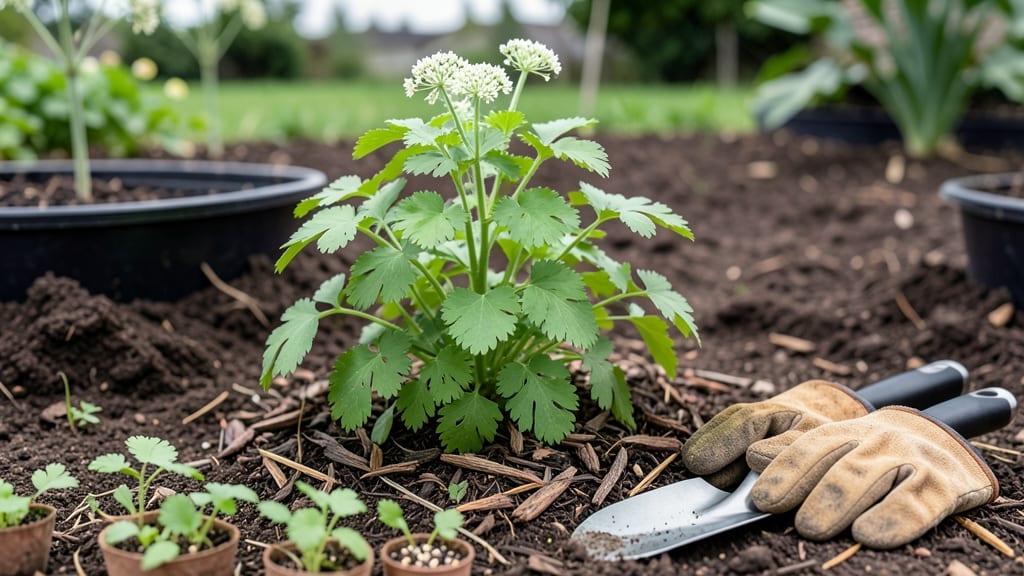
If you’ve ever planted cilantro in Ohio only to watch it bolt into flowers before you can harvest a single leaf, you’re not alone.
The key to growing lush, flavorful 🌿 cilantro in Zone 6a lies in timing—specifically, knowing when to plant it so the heat never gets the better of it.
Ohio’s climate is tricky for cilantro lovers. Plant too early, and the plant will stretch toward the sun, turning bitter and flowering. Too late, and it fades before frost. But with the right strategy, you can enjoy fresh cilantro twice a year—once in spring and again in fall—without the frustration.
In this guide, I’ll break down the perfect planting windows for Ohio gardeners, including how to adjust for early springs or late frosts. You’ll also learn how to extend your harvest and avoid bolting, so you can enjoy cilantro all season long.
Whether you’re a seasoned gardener or just starting out, these tips will help you grow cilantro that stays fresh, flavorful, and ready to harvest—no bitter surprises included.
Ohio’s ideal cilantro planting windows: spring & fall timing explained
Ohio’s USDA Zone 5-6 climate creates two perfect windows for growing cilantro: early spring and late summer. The key is planting when soil temperatures stay between 45°F and 75°F—any hotter, and your cilantro will bolt faster than you can say "pesto."
Let’s break down the exact timing and how to adapt for Ohio’s regional differences.
For spring planting, aim to sow seeds 4-6 weeks before your last frost date (typically mid-April in most of Ohio). In northern Ohio, this means starting seeds indoors in early March, while southern Ohio gardeners can direct-sow outdoors in late February.
The goal? Beat the heat while giving plants enough time to mature before summer’s intensity peaks.
Fall planting is equally critical. Start seeds 8-10 weeks before your first frost (around mid-September for most of Ohio). This gives cilantro enough time to establish roots and produce harvestable leaves before cool autumn temperatures slow its growth.
In southern Ohio’s warmer microclimates, you might push planting to early October, but northern areas should aim for late August.
Here’s the critical soil temperature rule: cilantro seeds need soil temps below 75°F to germinate properly. Use a soil thermometer to check—if it’s hotter, wait or use shade cloth. In Ohio’s summer, this often means waiting until late August for fall planting, even if your calendar says "September."
| Season | Planting Window | Soil Temp | Key Tip |
|---|---|---|---|
| Spring | Late Feb (South OH) - Early Apr (North OH) | 45°F - 65°F | Use row covers for early starts |
| Fall | Late Aug - Early Sep | 55°F - 70°F | Avoid planting after Sept 15 |
| Succession | Every 2-3 weeks | 45°F - 60°F | Extend harvest with staggered plantings |
Ohio’s microclimates play a huge role in timing. If you live in urban areas like Columbus or Cincinnati, concrete and buildings can create "heat islands" that make soil warmer—adjust planting 1-2 weeks later than rural areas.
Conversely, northern Ohio’s cooler pockets (like parts of Geauga County) may allow earlier spring plantings.
For container growing, cilantro thrives in Ohio’s climate when planted in 5-gallon pots with good drainage. Containers warm up faster, so monitor soil temps closely—you may need to delay planting by 1 week compared to in-ground plantings. Use a lightweight potting mix to prevent compaction and improve moisture retention.
Remember: cilantro’s ideal growing window in Ohio is just 60-70 days from seed to harvest. This means you must time plantings to avoid summer’s heat or winter’s chill.
For example, a March 15 planting should yield harvests by May 15, while a September 1 planting should finish by November 1—right before hard frosts arrive.
Pro tip: Mark your calendar for Ohio’s average frost dates (April 15 for last frost, October 15 for first frost) and work backward. This ensures you’re always planting cilantro when it can thrive without bolting or freezing.
And if you’re unsure about your local microclimate, check with your Ohio State University Extension office for hyper-local advice.
Finally, avoid planting cilantro in Ohio’s peak summer months (June-August). The combination of high heat and long daylight triggers bolting within 2-3 weeks. Instead, focus on those cool-season windows where cilantro can grow slowly and steadily—just the way you like your salsa.
Ohio’s ideal cilantro planting windows: spring & fall timing explained
Ohio’s Zone 5-6 climate creates two perfect windows for growing cilantro: early spring and late summer. The key is planting when soil temperatures stay between 45°F and 75°F—any hotter, and your cilantro will bolt before you can harvest.
In most of Ohio, this means starting seeds in late March to early April for spring and mid-August to early September for fall.
Northern Ohio’s cooler microclimates (like Zone 5) may need to wait until mid-April for spring planting, while southern Ohio (like Zone 6) can start as early as late March.
Always check your local last frost date—sowing too early risks bolting, while waiting too long shortens your harvest window.
Here’s the golden rule: Plant cilantro 4-6 weeks before Ohio’s last frost (typically April 15) for spring and 8-10 weeks before first frost (usually October 15) for fall. This ensures your plants mature before summer heat or winter frost ruins them.
| Season | Planting Window | Soil Temp | Harvest Window |
|---|---|---|---|
| Spring | Late March–Early April | 45–65°F | May–June |
| Fall | Mid-August–Early September | 60–75°F | October–November |
For extended harvests, sow cilantro in succession every 2 weeks during these windows. This staggered approach ensures a steady supply of fresh leaves without overcrowding. Just be sure to space plants 6–12 inches apart—cilantro hates competition for nutrients or water.
Ohio’s humidity and heat spikes can still cause bolting, even with perfect timing. To combat this, choose shady spots (like under trees or near north-facing walls) during peak summer. A 30% shade cloth can also buy you extra weeks of harvest before the plant bolts.
Pro tip: If you’re eager for cilantro in early spring, start seeds indoors 3–4 weeks before your last frost. Use grow lights to simulate long daylight hours, then transplant seedlings outdoors once soil warms. This head start can mean 30% more harvestable leaves before summer heat sets in.