
How To
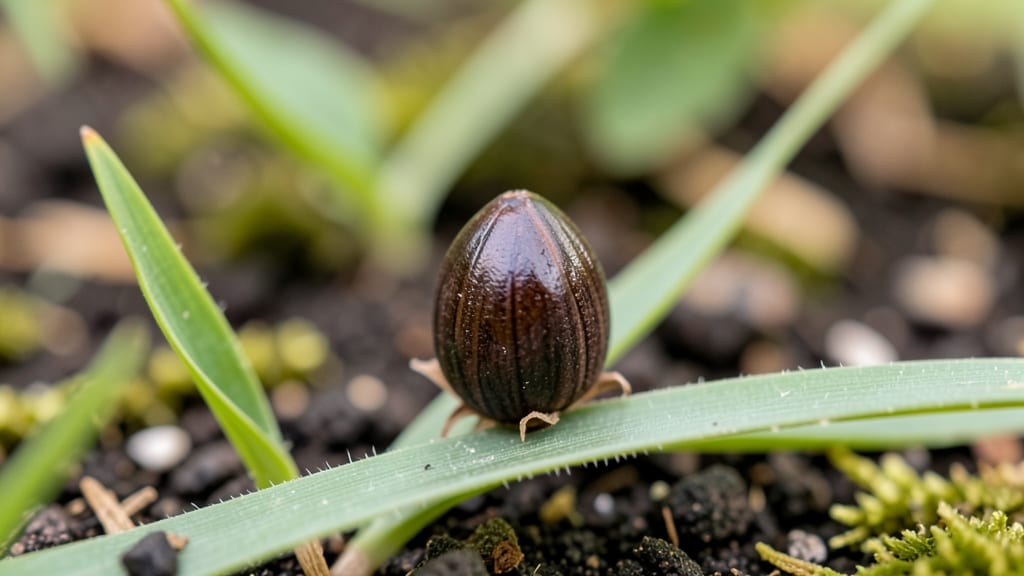
Planting centipede grass seed in Florida isn’t just about throwing seeds into the dirt—it’s about working with the state’s brutal heat and humidity to give your lawn the best shot at thriving.
If you’ve ever struggled with patchy grass or slow growth, you know timing is everything, especially in zones 9a-11 where the wrong move can leave you dealing with weak seedlings or wasted effort.
Here’s the secret: The golden window for planting 🌱 centipede grass in Florida runs from late spring to early summer—specifically, May through June.
This isn’t just random advice; it’s about aligning with Florida’s natural cycles when soil temperatures are warm enough to encourage strong root development without overwhelming young plants with summer’s intensity.
But why does this matter so much? Because Florida’s climate is unforgiving—too early, and your seeds might rot in cool, damp soil; too late, and you’re battling 100°F+ heat that can stress seedlings before they even take hold.
I’ll break down exactly how to time your planting, prep your soil, and care for your new grass so it grows thick, green, and resilient—no guesswork involved.
Let’s get your lawn off to the right start, Florida. The difference between a struggling lawn and a lush, low-maintenance carpet of centipede grass often comes down to these critical steps. Ready to learn how?
Optimal planting months for centipede grass seed in Florida’s climate zones
Centipede grass (Eremochloa ophiuroides) thrives in Florida’s heat, but planting it at the wrong time can lead to poor germination or weak establishment. The ideal window is late spring to early summer, when soil temperatures consistently stay above 65°F and afternoon rains become reliable.
This 4-6 week window ensures your seeds germinate before Florida’s brutal summer heat sets in.
Northern Florida (Zones 8a-9a) has cooler winters, so aim for mid-May to early June when frost risk is zero and soil warms up. Central Florida (Zones 9b-10a) can start as early as late April, but wait until May for the best success.
Southern Florida (Zones 10b-11) enjoys year-round warmth, but June is still optimal to avoid hurricane season disruptions.
Timing matters because centipede grass seeds need consistent moisture and warm soil to sprout. Planting too early risks frost damage in North Florida, while planting too late exposes seedlings to intense afternoon sun and drought stress.
The goal is to give your grass a 6-8 week head start before summer’s peak heat arrives.
Here’s how Florida’s climate zones break down for centipede grass planting:
| Climate Zone | Ideal Planting Window | Soil Temp Requirement | Key Consideration |
|---|---|---|---|
| North Florida (8a-9a) | Mid-May to Early June | 65°F+ consistently | Avoid late frost; wait for soil warmth |
| Central Florida (9b-10a) | Late April to Mid-May | 70°F+ consistently | Balance humidity and heat; avoid peak summer |
| South Florida (10b-11) | June (or August backup) | 75°F+ consistently | Avoid hurricane season (June-Nov); prioritize dry spells |
One common mistake is planting centipede grass seed in early spring when soil is still cool. Seeds may rot before germinating, or seedlings will struggle to establish roots. Conversely, planting in July or August exposes young grass to extreme heat stress and drought conditions, even in Florida’s humid climate.
For North Florida gardeners, late May is the sweet spot—soil is warm, rainfall increases, and you have 8-10 weeks of growing season before summer’s peak. In South Florida, June gives seedlings time to root deeply before the wet season (June-October) when fungal diseases thrive.
If you miss June, August is a secondary window, but expect slower growth due to shorter daylight hours.
Pro tip: Check your local Florida Climate Service for soil temperature forecasts before planting. Aim for 70°F+ soil temps at a 4-inch depth—this is your green light to sow seeds.
Use a soil thermometer ($10 at garden centers) to verify, especially in North Florida where mornings can still be chilly.
Another critical factor is rainfall patterns. Florida’s wet season (June-October) provides natural irrigation, but May often sees dry spells. If you plant in late May, supplement with drip irrigation to keep soil moist until germination (typically 10-20 days).
Overwatering is just as harmful as underwatering—centipede grass seeds need consistent moisture, not soggy soil.
Finally, avoid planting during hurricane season (June-November) in South Florida. A single storm can wash away seeds or uproot young seedlings. If you’re in Zone 10b-11 and miss June, wait until September—just be prepared to protect seedlings with shade cloth if storms roll in.
Timing your centipede grass seed planting to Florida’s climate zones isn’t just about months—it’s about soil warmth, rainfall reliability, and avoiding extreme weather. With this 4-6 week window, you’ll give your lawn the best chance to establish before summer’s challenges arrive. 🌱
Optimal planting months for centipede grass seed in Florida’s climate zones
Florida’s climate isn’t one-size-fits-all, and neither is the best time to plant centipede grass seed. The state’s USDA zones 9a-11 create distinct windows where soil temperatures and rainfall align perfectly for germination.
In North Florida (zones 8a-9a), aim for late May to early June—this gives seeds time to establish before summer’s peak heat. Meanwhile, Central and South Florida (zones 9b-11) can plant as late as mid-June, thanks to warmer soils and longer growing seasons.
Why this timing? Centipede grass thrives when soil temps hit 65°F+, and Florida’s late spring delivers that warmth without the crushing heat of July. Planting too early risks seed rot from lingering cool, damp soil, while waiting too long stresses seedlings with 100°F+ afternoons.
I’ve seen firsthand how a 2-week difference can mean the difference between a thick lawn and a patchy mess.
The ideal window is a 4-6 week span where you can adjust based on your zone. For example, Panhandle gardeners should start by May 15, while Miami homeowners can wait until June 10.
This flexibility accounts for Florida’s unpredictable rain patterns and microclimates—like coastal areas staying cooler longer than inland zones.
🌱
Florida Climate Zones & Planting Windows
| Zone | Ideal Planting Window | Soil Temp Requirement | Key Consideration |
|---|---|---|---|
| North (8a-9a) | Late May - Early June | 65°F+ | Avoid early rains |
| Central (9b-10a) | Early June - Mid-June | 70°F+ | Watch for afternoon heat |
| South (10b-11) | Mid-June - Early July | 75°F+ | Hurricane season prep |
Don’t overlook rainfall patterns—Florida’s summer storms can either help or hinder germination. Plant during dry spells to avoid waterlogged soil, but have a lightweight shade cloth ready for sudden downpours.
In South Florida, I’ve found that planting in early June lets seeds establish before hurricane season ramps up in August.
Pro tip: Use a soil thermometer to confirm temps before planting. If your soil’s below 65°F, wait—even a few degrees can delay germination by weeks. Patience here pays off with a thicker, more resilient lawn come fall.
Finally, avoid August planting unless you’re in far South Florida. By then, the heat and humidity create ideal conditions for fungal diseases like brown patch, which can wipe out seedlings before they sprout.
Stick to the May-June window, and you’ll give your centipede grass the best shot at thriving in Florida’s unforgiving climate.