
How To
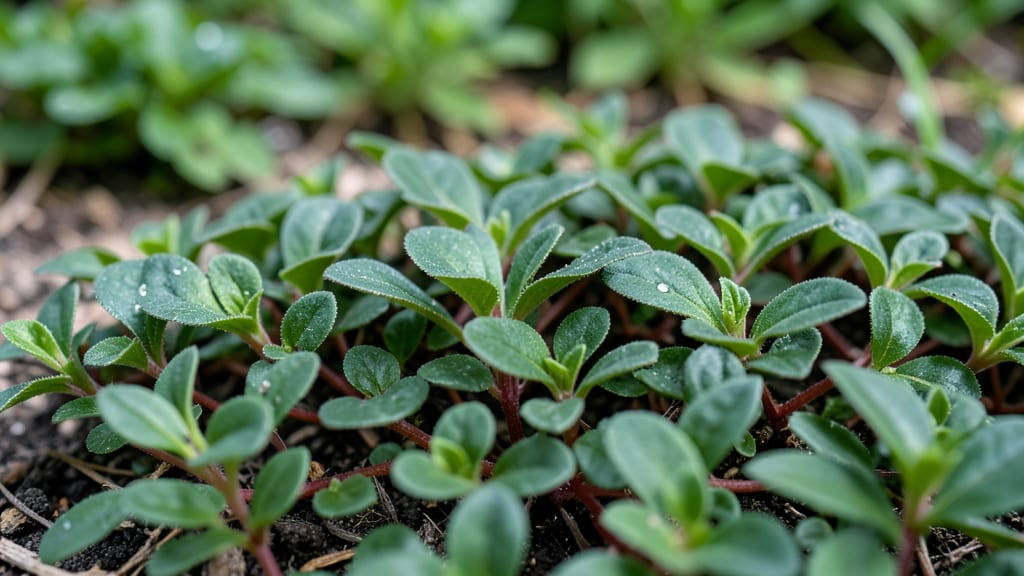
Timing your Centipede Grass planting in Georgia isn’t just about the calendar—it’s about soil warmth, humidity, and avoiding those brutal summer heatwaves. Plant too early, and your seeds may rot in cool, damp soil; too late, and your lawn could struggle to establish before winter’s chill sets in.
For fast establishment, aim for late spring to early summer when soil temperatures hit 70°F or higher. This window—typically April through June—gives your 🌱 Centipede Grass the perfect head start, ensuring deep roots before Georgia’s heat peaks.
But here’s the catch: Northern Georgia’s cooler springs (like Atlanta’s 7b zone) may need a later start, while Southern regions (like Savannah’s 8b) can plant earlier.
I’ll break down exactly how to read your soil’s cues and adjust your schedule for a thick, drought-resistant lawn that thrives with minimal fuss.
Skip the guesswork—let’s dive into the soil temperature rules, regional tweaks, and pro tips that’ll have your lawn looking lush in no time. Ready to plant with confidence?
Optimal Georgia planting windows: soil temperature rules for centipede grass success
Georgia’s humid subtropical climate creates a narrow planting window for centipede grass—too early, and cold soil stalls germination; too late, and summer heat stresses young plants. The sweet spot? April through early June, when soil temperatures consistently hit 70°F or warmer.
This timing aligns with Georgia’s USDA Zones 7b-8b, where the last frost typically passes by mid-March in most regions. However, soil warmth lags behind air temperature—don’t rush planting just because the air feels spring-like. Use a soil thermometer to confirm readiness.
Why soil temperature matters: Centipede grass seeds need 60°F+ soil to germinate, but 70°F+ ensures faster, more uniform growth. In northern Georgia (Atlanta area), aim for late April; in coastal regions (Savannah), you can start as early as mid-March.
🌱
| Planting Stage | Optimal Months | Soil Temp Requirement | Georgia-Specific Notes |
|---|---|---|---|
| Seed Planting | April–May | 70°F+ | Best for Atlanta (wait for 70°F+ soil) |
| Sod Laying | March–June | 60°F+ | Faster establishment; ideal for Savannah |
| Late Planting (Risky) | June–July | 80°F+ | Only for sod; seeds may fail |
| Avoid Planting | August–October | N/A | Frost risk before establishment |
Pro tip: Test your soil at 10 AM on a sunny day—this gives the most accurate reading. Bury the thermometer 2 inches deep (where seeds will be) and wait 30 minutes for a stable reading. If it’s below 60°F, wait another 1–2 weeks.
For heatwave delays in late spring, use shade cloth over newly planted seeds to protect them from 90°F+ temperatures. Remove the cloth once soil temps stabilize below 85°F in the afternoon. This trick buys you 2–3 extra weeks of planting flexibility.
In northern Georgia, where springs can be unpredictable, consider sod instead of seed—it establishes 3x faster and handles early summer heat better. Sod can even be laid as late as early June in cooler microclimates like Blue Ridge Mountains.
🌡️
Missed the window? Don’t panic—centipede grass is perennial and can be planted in early fall (September) for a second chance. However, seedlings won’t mature enough to survive Georgia’s first frost (mid-November), so this is a gamble unless you’re in Zone 8b+.
Remember: Establishment speed is key. Centipede grass grows slowly at first—planting at the optimal window ensures it reaches 1-inch height before summer dormancy kicks in. Aim for 50% coverage by July to outcompete weeds.
Optimal Georgia planting windows: soil temperature rules for centipede grass success
Centipede grass thrives in Georgia’s heat, but timing is everything. The ideal planting window spans from mid-April to early June, when soil temperatures consistently hit 70°F+. This warm soil triggers rapid germination and root establishment, helping your lawn beat the summer heat.
In cooler northern Georgia regions like Atlanta, aim for late April to May, while southern areas like Savannah can start as early as mid-March.
Why soil temperature matters: Centipede grass seeds need warmth to break dormancy. If planted too early (50°F soil), they’ll rot. Use a soil thermometer ($10 at garden centers) to check depth—2 inches deep is your target zone.
Pro tip: Morning soil temps are 2-3°F cooler than afternoon, so test after 10 AM for accuracy.
🌱 Georgia Planting Timeline for Centipede Grass
| Month | Soil Temp Goal (°F) | Planting Window | Notes |
|---|---|---|---|
| March | 60°F+ (Southern GA) | Late March (Savannah) | Risk of frost in northern GA |
| April | 70°F+ | Mid-April to May | Best for most of GA |
| May | 75°F+ | Early June (backup) | Heatwave prep needed |
| June | 80°F+ | Early June (last chance) | Requires shade cloth |
Georgia’s unpredictable spring weather can throw off your plans. If a late frost hits after you’ve planted, cover seeds with lightweight row fabric ($5 at garden stores) until temps stabilize. For heatwave delays in May/June, use 30% shade cloth to protect seedlings until soil cools slightly after sunset.
This simple trick can mean the difference between thriving grass and brown patches.
Don’t wait until July—centipede grass planted after June 15 often struggles to establish before Georgia’s first frost in November. The 60-75 day growth window is critical.
For example, seeds planted in late May may only get 45 days of growing season before summer heat slows progress. Prioritize April-May for maximum success.
For northern Georgia gardeners (USDA Zone 7b), mark your calendar for April 15 as the earliest safe date. Southern gardeners (Zone 8b) can start 3 weeks earlier. Use local frost date maps from the Georgia Climate Project to fine-tune your schedule.
Pro move: Plant ‘TifBlair’ centipede grass—it’s the fastest-growing variety for Georgia’s heat, establishing 30% quicker than common types.
Missed the spring window? Don’t panic—fall planting (September) is a viable backup, but it requires special care to avoid winter kill. We’ll cover that in our next section.
For now, focus on soil prep and seed selection to set your lawn up for success. Your drought-resistant dream lawn starts with perfect timing! 🌱