
Plants
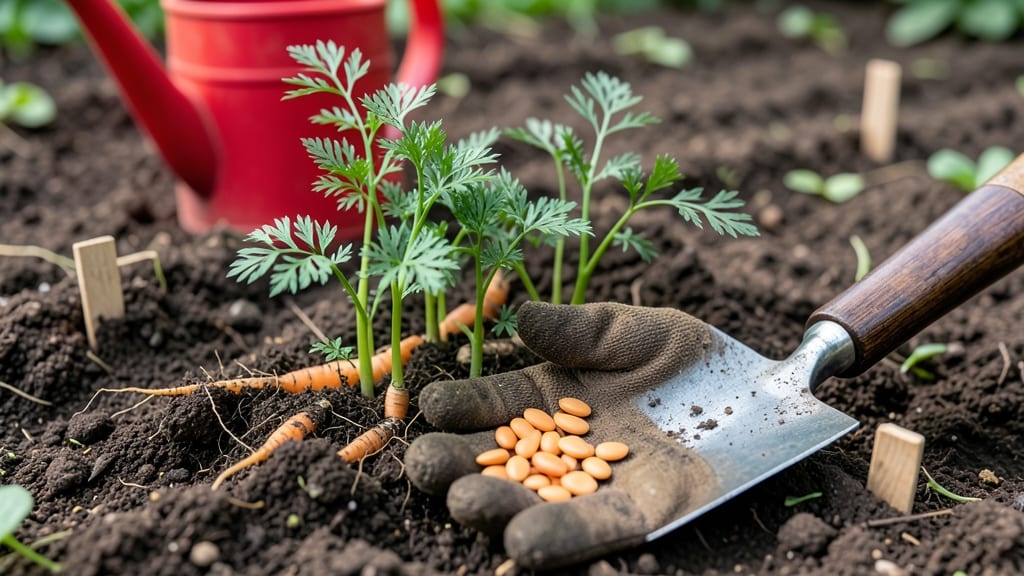
If you've ever dreamed of growing sweet, crisp 🥕 carrots right in your San Diego garden, timing is the secret ingredient—plant too early, and your crop might bolt; too late, and summer heat turns roots woody.
The good news? San Diego's mild winters and frost-free climate mean you can grow carrots year-round, but the best planting windows are fall, winter, and spring.
Why does timing matter so much? Carrots thrive in cooler temperatures, and San Diego’s 10a zone gives you a unique advantage—no frost to worry about, but also no harsh winters to slow growth.
Whether you're a beginner or a seasoned gardener, knowing exactly when to plant ensures you'll enjoy a steady harvest of fresh, homegrown carrots.
In this guide, I’ll break down the ideal planting months for your specific microclimate—coastal vs. inland—so you can avoid common pitfalls like bolting or woody roots. Plus, I’ll share pro tips for soil prep and watering to maximize your success in Southern California’s dry summers.
Ready to grow carrots that rival your favorite farmers' market finds? Let’s dive into the perfect schedule for planting carrots in San Diego and set you up for a bountiful harvest.
Best planting times for carrots in San Diego’s climate zones
San Diego’s USDA Zone 10a climate lets you grow carrots almost year-round, but the mild winter months are your sweet spot. Unlike northern regions, we don’t have to worry about frost, but soil temperatures and day length still dictate the perfect planting window.
Coastal areas stay cooler than inland zones, so timing varies—here’s how to get it right.
For coastal San Diego (like La Jolla or Del Mar), aim to plant carrots in late summer through early spring. The ocean breezes keep soil temperatures moderate, reducing the risk of woody roots that plague summer plantings.
Inland areas (like Chula Vista or El Cajon) can handle spring and fall plantings, but avoid peak summer heat when roots turn bitter.
Here’s the key: soil should be between 55°F and 85°F for ideal germination. Coastal soils stay cooler, so you can start as early as August for fall harvests.
Inland gardeners should wait until October or March to avoid heat stress. Use a soil thermometer to check—this small tool prevents costly mistakes.
🥕
| Climate Zone | Best Planting Window | Soil Temp Range | Harvest Time |
|---|---|---|---|
| Coastal (Zone 10a) | Late August–Early March | 55°F–75°F | October–May |
| Inland (Zone 10a) | October–November or March–April | 60°F–70°F | December–June |
| Valleys (e.g., Escondido) | September–October or February–March | 55°F–72°F | November–May |
🌱 Pro Tip: Use shade cloth in summer to protect seedlings from intense afternoon sun.
If you’re new to San Diego gardening, fall planting is your safest bet. Start seeds indoors in late August for transplanting in September, or direct-sow in October. This gives roots time to mature before winter rains arrive.
For spring harvests, plant seeds in February or March—just as the days lengthen but before soil heats up.
One common mistake? Planting too close to winter holidays and forgetting about your crop. Carrots take 70–90 days to mature, so plan ahead. For example, if you want Christmas carrots, start seeds by September 1st.
Use a planting calendar to track progress—San Diego’s long growing season lets you squeeze in two full harvests per year if timed correctly.
For baby carrots or quick harvests, try succession planting every 2–3 weeks from September through March. This ensures a steady supply without overwhelming your garden space. Just remember: thin seedlings to 2–3 inches apart to prevent competition and forked roots.
💧
Don’t let San Diego’s sandy soils fool you—carrots need consistent moisture to grow straight and sweet. After sowing, keep the soil evenly damp (not soggy) until germination. Once established, deep watering 2–3 times per week mimics our region’s occasional winter rains and prevents woody texture.
Mulch with straw or compost to retain moisture and regulate soil temperature.
Finally, watch for bolt-resistant varieties like ‘Danvers Half Long’ or ‘Nantes’, which thrive in San Diego’s mild winters. These types handle our unpredictable coastal breezes better than standard varieties. With the right timing and care, you’ll enjoy homegrown carrots from fall through spring—no grocery store needed!
How to extend your carrot harvest season in Southern California
San Diego’s year-round growing potential means you can enjoy fresh carrots almost any time—but with the right strategies, you can maximize your harvest and avoid summer woody roots. The key lies in succession planting, shade protection, and companion planting to keep your crop thriving through all seasons.
Let’s break down how to stretch your carrot harvest from early spring to late fall.
Start by planting short-season varieties like 'Paris Market' or 'Little Finger' every 3-4 weeks from January through April. These varieties mature quickly (50-60 days) and give you a steady supply before summer heat sets in.
For a late-summer harvest, opt for heat-tolerant types like 'Danvers Half Long' and plant them in late July or early August.
Shade cloth is your best friend during peak summer months (June–August). Use a 30-50% shade cloth to reduce soil temperatures and prevent bolting. Secure it 3-4 feet above the plants to allow airflow while blocking excess sunlight. This simple trick can extend your growing season by 4-6 weeks and keep roots crisp.
🌱 5 Pro Tips for Year-Round Carrot Success
- Stagger plantings every 3 weeks for continuous harvests.
- Use shade cloth in summer to prevent bolting and heat stress.
- Plant companion crops like radishes or onions to deter pests.
- Test soil pH (6.0–7.0) and amend with compost for loose, rocky-free soil.
- Harvest baby carrots (1–3 inches) for earlier yields and reduced bolting risk.
Don’t overlook companion planting—it’s a game-changer for pest control and soil health. Pair carrots with leeks, rosemary, or thyme to repel carrot flies and aphids. Avoid planting near dill or fennel, as their strong scents can attract pests that target carrots.
For raised beds, mix in broccoli or lettuce to break up pest cycles and improve soil structure.
Watering consistency is critical, especially in sandy coastal soils. Deep water every 2-3 days in spring and fall, but increase to daily watering during summer. Use drip irrigation to keep soil evenly moist without wetting the foliage, which reduces fungal diseases like Alternaria leaf spot.
Mulch with straw or wood chips to retain moisture and regulate soil temperature.
Finally, plan for winter harvests by sowing hardy varieties like 'Chantenay' in October or November. These carrots thrive in cooler temps and can be harvested through January or February.
Protect young seedlings with frost cloth if temperatures dip below 40°F, though San Diego’s mild winters rarely require heavy cover.