
Plants
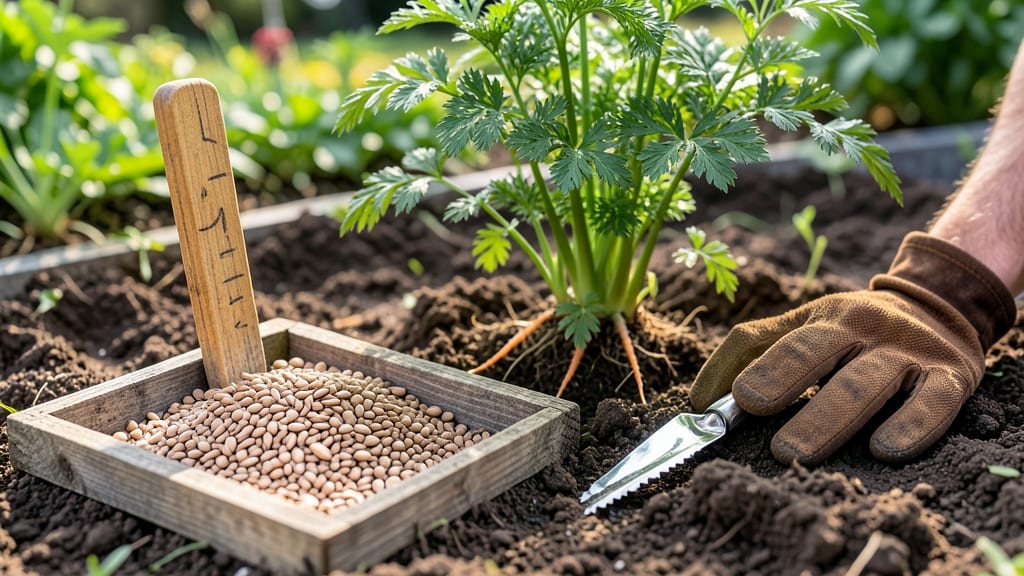
Timing your carrot planting in Montana can mean the difference between a bountiful harvest and a disappointing garden. With USDA Zones 3-7 and rocky soil, getting the windows right is everything—especially when early frosts threaten your 🥕 crop before it matures.
Most gardeners in Montana know the struggle: plant too early, and frost ruins your seedlings; too late, and you miss the sweet spot for crisp, flavorful roots.
But here’s the good news—with the right strategies, you can stretch your growing season from April to August, ensuring fresh carrots from summer through fall.
In this guide, I’ll break down the best planting windows for your region, whether you’re in frost-prone Glacier Park or milder Missoula. You’ll learn how to choose cold-hardy varieties, protect your plants from Montana’s unpredictable weather, and even troubleshoot common issues like bolting or forked roots.
Ready to grow carrots that thrive despite Montana’s challenges? Let’s dive into the exact timing, soil prep, and varieties that will give you the harvest you’ve been dreaming of.
Optimal planting windows for Montana carrots: frost dates and soil temperatures
Montana’s diverse climate—from the cool mountain valleys of Glacier Park to the warmer plains near Billings—demands precise timing for carrot planting. The key is aligning your schedule with soil temperatures (45–75°F) and last frost dates, which vary dramatically across regions.
In Missoula (Zone 7), for example, the last frost typically arrives by May 15, while in Kalispell (Zone 4), it can linger until June 1.
For spring planting, aim to sow seeds as soon as the soil reaches 45°F and workable consistency—usually mid-April to early May in most of Montana. This early start gives carrots time to mature before summer heat sets in.
In western Montana, where frosts are later, you might delay until late May to avoid cold-soaked soil.
Here’s a quick reference for Montana’s planting windows by region, based on average frost dates:
For a continuous harvest, consider succession planting every 2–3 weeks from April through June. This staggered approach ensures you’re always pulling fresh carrots while avoiding a glut.
In fall, plant again in July or early August for a late-season harvest before the first frost—typically mid-September to early October in most of Montana.
Montana’s short growing season (only 90–120 frost-free days in many areas) means choosing fast-maturing varieties is critical. Aim for types that reach harvest in 60–70 days to beat the first frost.
Soil temperature drops below 50°F can stunt growth, so monitor conditions closely and use row covers if nights dip unexpectedly.
Pro tip: Test your soil’s readiness with a soil thermometer. Carrot seeds need consistent warmth to germinate—cold, wet soil will leave you waiting weeks for sprouts.
If your soil is still chilly, opt for cold-hardy varieties like ‘Danvers Half Long’ or ‘Purple Haze’ to give your crop a fighting chance.
🌱
Optimal planting windows for Montana carrots: frost dates and soil temperatures
Montana’s microclimates create a puzzle for carrot growers. Western regions like Glacier Park (Zone 3) face earlier frosts, while Missoula (Zone 7) enjoys a slightly longer season.
To succeed, focus on soil temperatures (aim for 45–75°F) and frost-free dates, which vary wildly—from May 15 in Missoula to as late as June 1 in Kalispell.
For spring planting, start seeds indoors 4–6 weeks before your last frost date or sow directly in well-drained soil when daytime temps hit 50°F consistently.
In Montana, this typically means April 15–May 15 in most regions, but adjust for elevation. Fall planting is equally critical—sow seeds July 1–August 15 for a late-season harvest before first frosts hit in September–October.
Here’s how to align your planting with Montana’s unique climate zones:
| Region | USDA Zone | Last Frost Date | First Frost Date | Spring Planting Window | Fall Planting Window |
|---|---|---|---|---|---|
| Missoula | 7 | May 15 | September 15 | April 15–May 15 | July 15–August 15 |
| Billings | 5 | May 1 | October 1 | April 1–May 10 | July 1–August 10 |
| Glacier Park | 3 | June 1 | September 1 | May 1–June 1 | July 15–August 5 |
Pro tip: Use row covers to extend your spring planting window by 2–3 weeks if frost threatens. For fall plantings, choose varieties with 50–60 days to maturity to beat the first frost. In Zone 3 areas, prioritize early-maturing varieties like ‘Early Nantes’ to avoid bolted or frozen crops.
Montana’s rocky soil can also delay germination. Loosen soil to a depth of 12 inches and mix in compost to improve drainage. If your soil stays too cold (below 45°F), use black plastic mulch to warm the soil faster.
This is especially critical in high-elevation areas where spring arrives late.
For continuous harvests, practice succession planting: sow seeds every 2–3 weeks from April to July. This ensures a steady supply of baby carrots and mature roots throughout the summer. Just remember—avoid planting too late in summer, or your carrots may bolt before reaching full size.
With these timing strategies, you’ll turn Montana’s challenges into opportunities for a longer, more reliable carrot harvest. 🥕