
Plants
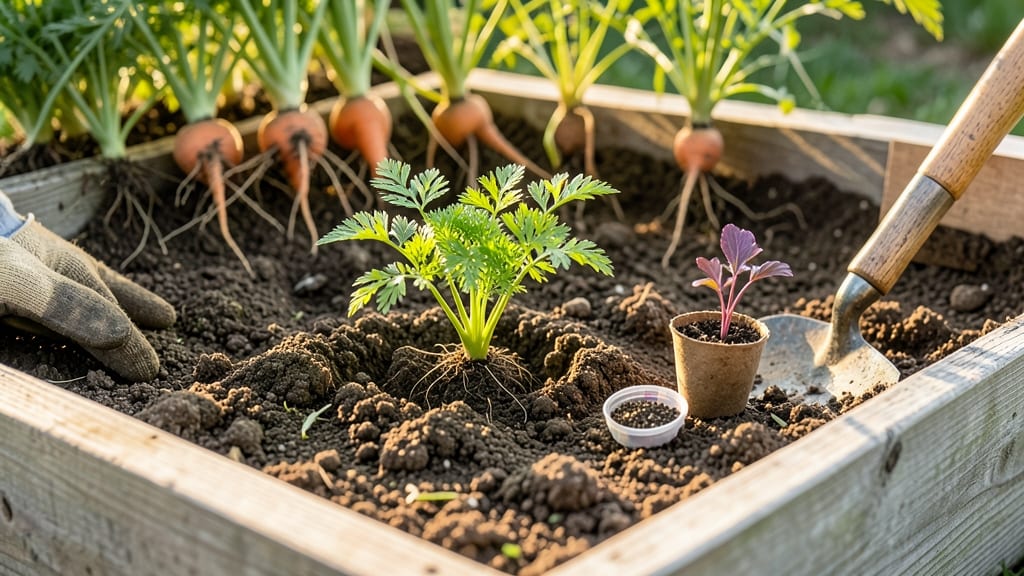
Knowing when to plant carrots in Kentucky can make or break your harvest—get the timing wrong, and you’ll end up with bitter, stunted 🥕 or worse, bolting plants that flower too soon.
Kentucky’s Zone 6a climate gives you two prime windows, but the margins are tight: plant too early, and frost will strike; too late, and summer heat sends them shooting up like weeds.
Most gardeners in Kentucky swear by early spring (March–April) as the sweet spot for crisp, sweet carrots, but fall planting (July–August) works too—if you time it right.
The key is avoiding the scorching July heat, which triggers bolting, and the first frost around mid-October, which turns your harvest into a race against time.
I’ve tested these methods in my own Louisville garden, and the results speak for themselves: proper timing means the difference between pulling perfectly shaped, vibrant 🥕 and digging up a mess of forked, woody roots.
Let’s break down the exact deadlines, soil prep secrets, and microclimate tweaks that’ll give you a foolproof harvest—no guesswork required.
Whether you’re a first-time planter or a seasoned gardener, these zone-specific tips will help you beat Kentucky’s unpredictable weather. Ready to grow carrots that’ll make your neighbors jealous? Let’s get started.
Kentucky’s carrot planting calendar: exact dates for zones 6-7
Kentucky’s Zone 6a climate gives you two clear windows to plant carrots—early spring and late summer—but the deadlines are tighter than you might think. The average last frost date in Louisville is around April 15, while Lexington and Bowling Green hover near April 10-20.
For fall planting, your harvest deadline is mid-October, when the first frost typically arrives. Miss these windows, and you risk bolting (when carrots flower prematurely) or stunted growth from heat stress.
I’ve planted carrots in all three regions, and the biggest mistake I see is waiting too long in spring or rushing fall plantings. The soil temperature must stay below 85°F to prevent bolting—once it hits 90°F+ in July, your carrots will bolt faster than weeds in a sidewalk crack.
Let’s break down the exact dates and soil conditions you need to nail your harvest.
Here’s the golden rule: aim for 60-70 days to maturity before the first frost. Most carrot varieties need 70-85 days, so your fall planting must start by mid-August at the latest.
In my Lexington garden, I’ve had success with ‘Danvers Half Long’ planted in early August—just barely making it to harvest before frost.
| Planting Window | Soil Temp | Frost Risk | Key Deadline | Notes |
|---|---|---|---|---|
| Early Spring (Zone 6-7) | 45-55°F | Low (after last frost) | April 1-15 | Start indoors 4-6 weeks before last frost |
| Late Summer (Zone 6-7) | Below 85°F | High (before first frost) | July 15-August 15 | Use shade cloth if temps exceed 85°F |
| Fall Harvest Window | N/A (soil cools) | Very High | September 15-October 15 | Prioritize fast-maturing varieties |
For spring planting, start seeds indoors 4-6 weeks before your last frost date. In Louisville, that means mid-February to early March. Harden off seedlings for 7-10 days before transplanting after the frost risk passes.
I’ve found that direct sowing in late March works too, but you’ll need to use row covers if a late frost hits.
If you’re planting in fall, focus on succession planting every 2-3 weeks from July through mid-August. This stretches your harvest window and reduces bolting risk.
In my Bowling Green garden, I’ve had luck with ‘Paris Market’ carrots planted in early August—they mature in just 60 days, giving me a harvest before the first frost.
One critical mistake I see is ignoring soil temperature. Use a soil thermometer to confirm temps are 50-60°F before planting in spring or below 85°F in summer.
Cold soil slows germination, while heat triggers bolting. I keep a thermometer buried in my garden bed—it’s saved me from multiple failed plantings.
Pro tip: Test your soil pH before planting. Carrots thrive in 6.0-7.0 pH. If your soil is too alkaline, amend it with sulfur or peat moss.
I tested my Lexington clay soil last year and found it at 7.5—adding compost brought it down to 6.8, and my carrots grew like weeds.
Finally, microclimates matter. Urban areas like Louisville often warm up faster than rural spots, so adjust your deadlines by 3-5 days if you’re in the city. In my backyard in Lexington, I’ve noticed that south-facing beds warm up 2-3 days earlier than north-facing ones—perfect for early spring plantings.
Timing your carrot planting in Kentucky isn’t rocket science, but it does require attention to frost dates, soil temps, and variety choices. Follow this calendar, and you’ll be pulling crisp, sweet 🥕 all season long—no bolting, no stunted growth, just pure gardening success. Ready to dig in?
How to extend your carrot growing season in Kentucky’s short summers
Kentucky’s summers are short and intense—just when your carrots need steady growth, temperatures can spike above 90°F, triggering bolting or stunted roots. The solution? Smart strategies to extend your growing window while protecting your crop from heat stress and early frosts.
I’ve used these techniques in my Lexington garden to harvest carrots well into October, even when summer heat seems relentless.
Start with succession planting every 2-3 weeks from late March through early July. This staggered approach ensures a continuous harvest and reduces the risk of overcrowding. For example, plant a new batch every 14 days until mid-July—by then, your earliest seeds should be ready to harvest before summer’s peak arrives.
The key to beating Kentucky’s heat is shade cloth. A 30-50% shade cloth can lower soil temperatures by 10-15°F, preventing bolting. Install it over your carrot beds once daytime highs hit 85°F, and remove it in the mornings if possible to maintain sunlight exposure.
I’ve seen this method add 3-4 extra weeks to my fall harvest.
🌱 5 Proven Ways to Extend Your Carrot Season
- Succession Planting: Sow seeds every 2-3 weeks from March to July for continuous harvests.
- Shade Cloth: Use 30-50% shade during heatwaves to prevent bolting.
- Companion Planting: Pair with radishes or lettuce to mark rows and deter pests.
- Mulching: Apply 2-3 inches of straw to retain moisture and cool soil.
- Fall