
Plants
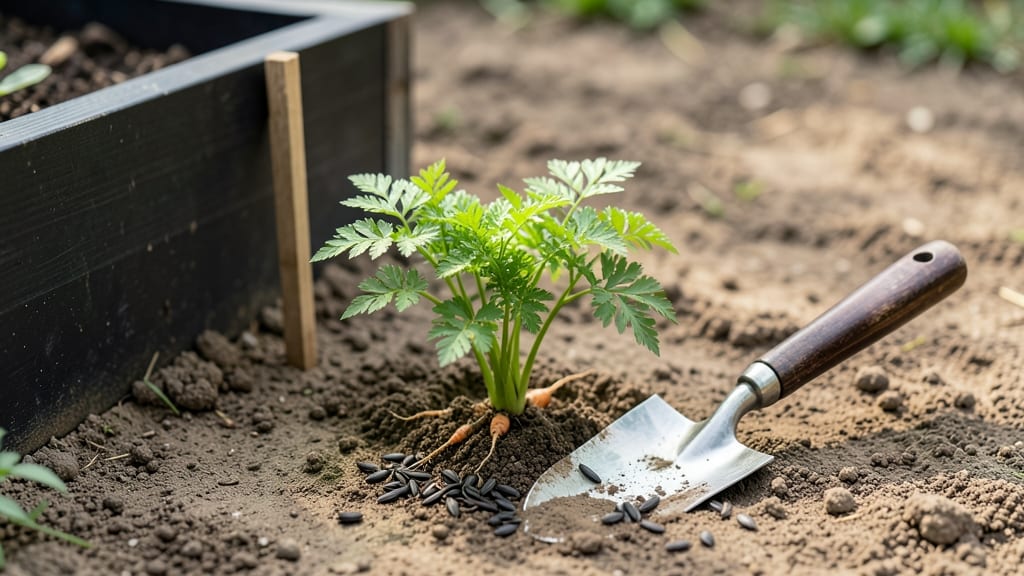
Timing your fall carrot planting wrong can mean bitter roots or wasted effort—getting the soil temperature just right is the secret to growing sweet, crisp 🥕 before winter sets in.
If you've ever planted carrots too early and watched them bolt in the heat, or too late and struggled with stunted growth, you know how tricky this can be.
The key lies in understanding your local frost dates and soil conditions—especially in Zone 6a, where fall planting can be a game-changer for a late harvest.
I'll walk you through the exact window to plant for a successful fall crop, including how to test soil temperatures and choose the best varieties for your region. By following these steps, you'll avoid common mistakes and enjoy homegrown carrots straight from your garden.
Whether you're a beginner or seasoned gardener, these tips will help you extend your growing season and enjoy fresh, flavorful carrots well into autumn. Let's dive into the details so you can make the most of your fall planting.
Fall carrot planting timeline by US hardiness Zones: exact dates and soil temps
Getting your fall carrot planting right means understanding your USDA hardiness zone and soil temperatures. In Zone 6a, where I garden, the ideal window is 8-12 weeks before first frost—typically late July to early September.
But timing varies dramatically across regions, so let’s break it down by zone to ensure your carrots thrive before winter.
Carrots need soil temperatures between 50°F and 75°F to germinate and grow properly. If you plant too early, they’ll bolt in the heat; too late, and they’ll struggle to mature before frost. The key is balancing frost dates with soil warmth—here’s how to nail it in your area.
I’ve planted carrots in Zones 3 through 10, and the biggest mistake I see is ignoring local frost data. Always check your average first frost date (find it via the USDA Plant Hardiness Zone Map) and count backward.
For example, if your first frost is October 15, aim to plant by August 15 to September 1.
Below is a zone-by-zone breakdown of planting windows, soil temps, and frost-free growth periods. Use this as your guide to avoid bitter, stunted, or bolted carrots.
| Zone | Planting Window | Soil Temp Range (°F) | Frost-Free Growth | Notes |
|---|---|---|---|---|
| 3-4 | Late July - Early August | 50-65°F | 60-75 days | Short season; choose fast varieties |
| 5-6 | Late July - Mid-September | 55-70°F | 75-90 days | Ideal for storage varieties |
| 7-8 | August - Early October | 60-75°F | 90-105 days | Longest growing season; double crop |
| 9-10 | September - Early November | 65-80°F | 105-120 days | Mild winters; extend harvest |
In Zone 6a, where I live, I plant my Danvers Half Long carrots around August 15 for a harvest by October 15. This gives them 90 days to mature before the ground freezes.
If you’re in a warmer zone like Zone 9, you can push planting into early November, but always monitor soil temps—they shouldn’t drop below 50°F.
Pro tip: If your soil cools too quickly, use black plastic mulch or row covers to extend the season. I’ve added mulch in Zone 5 and gained an extra 2-3 weeks of growth. Just remove it before harvest to avoid soil buildup on the roots.
For sandy soil, which warms faster, you can plant slightly earlier, but clay soil holds heat longer, so wait until temps are consistently 60°F before sowing. Always test your soil—don’t guess! I’ll cover how to do this accurately in the next section.
One more thing: If you’re aiming for winter storage, plant your last batch 4-6 weeks before first frost. Carrots stored in sandy soil or sand boxes can last until spring, but they need protection from freezing temps. I’ll share my favorite storage varieties later in the article.
Now that you’ve got your planting timeline locked in, let’s talk about how to test soil temps like a pro—and the 3 mistakes that’ll ruin your crop if you’re not careful. 🌱
How to test soil temperature for carrots (and 3 critical mistakes to avoid)
Testing your soil temperature before planting fall carrots is the single most important step to avoid bitter, stunted roots. Carrots thrive in 50–75°F soil, but planting too early can trigger bolting, while waiting too long risks slow growth before frost.
I’ve learned this the hard way—my first fall crop bolted because I planted when the soil was still too warm!
The best time to plant is when your soil temperature consistently sits between 60–70°F during the day. This window ensures fast germination and steady root development before winter sets in.
If you’re unsure how to check, don’t worry—I’ll walk you through the exact method below, plus the three mistakes that derail even the most eager gardeners.
🌱 Pro Tip: Morning is the best time to test soil temperature because overnight cooling gives you the most accurate reading for daytime planting conditions.
⚠️ 3 Critical Mistakes That Ruin Fall Carrot Planting
- Planting too early when soil temps exceed 75°F—carrots bolt and turn bitter.
- Ignoring frost dates—planting less than 8 weeks before first frost leaves no time for harvest.
- Skipping soil prep—compacted or rocky soil causes forked roots, no matter the timing.
To test your soil temperature, you’ll need a soil thermometer (available for under $10) or a DIY method using a glass jar and water. Insert the thermometer 2 inches deep—the depth where carrot seeds germinate—and wait 30 seconds for an accurate reading.
For the DIY method, fill a jar with soil, add water, and check the temperature after 10 minutes; it’ll approximate your garden’s conditions.
If your soil runs hotter than 75°F, wait 1–2 weeks and retest. In Zones 3–5, aim for mid-August planting, while Zones 6–10 can start as late as early October. The key is balancing warm soil for germination with cool nights to prevent bolting.
Once you’ve nailed the temperature, focus on loose, stone-free soil. Carrots need space to grow straight, and compacted soil is a fast track to frustration. I’ll often add a layer of compost or sand to heavy clay soils to improve drainage—this makes all the difference for fall crops.
💧 Remember: After planting, keep the soil evenly moist (not soggy) to encourage even germination. A light mulch of straw helps maintain temperature and moisture as winter approaches.