
Plants
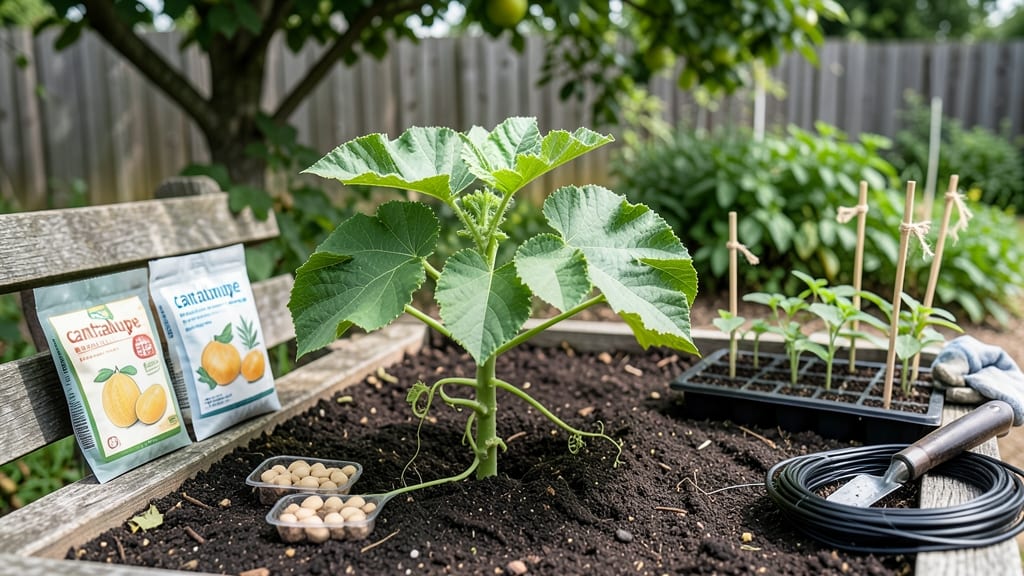
Planting cantaloupe in Tennessee at the wrong time means waiting months for sweet fruit—or worse, watching your seedlings wilt before they even take root. This heat-loving melon 🍈 demands precise timing, and getting it right guarantees fast germination and juicy harvests by summer.
Most Tennessee gardeners wait until mid-April to early May, when soil temperatures hit at least 70°F and frost danger fades. But with USDA zones 6a-7b spanning Nashville to Chattanooga, your exact planting window depends on local microclimates and last-frost dates.
What you’ll discover here are the fastest ways to sync your planting schedule with Tennessee’s climate—plus pro tips to extend the season if early chills threaten your vines. No more guessing games, just reliable results.
Ready to grow cantaloupes that ripen in 75 days instead of struggling through a slow, uncertain season? Let’s get your planting calendar locked in for success.
Best planting dates for cantaloupe in Tennessee’s climate zones
Tennessee’s varied climate—spanning USDA Zones 6a through 7b—means cantaloupe planting dates shift slightly from Memphis’ Zone 7b to Nashville’s Zone 6b. The key rule? Wait until the soil warms to 70°F (21°C) and all frost risk has passed.
In most areas, this lands between mid-April and early May, but cooler mountain regions may need to wait until late May.
Cantaloupes are heat-loving annuals, so planting too early risks cold soil and slow germination. A soil thermometer is your best friend here—if it reads below 65°F (18°C), delay planting.
In Zone 7b (Memphis, Chattanooga), you can often start as early as late March under black plastic mulch, while Zone 6a (East Tennessee) gardeners should aim for after May 1.
For direct sowing (the preferred method), use large seeds (½-inch deep) spaced 2 feet apart in hills. If starting indoors (4-6 weeks before last frost), transplant seedlings carefully to avoid root damage. Hardening off seedlings for 7-10 days before moving them outdoors is critical in Tennessee’s unpredictable spring weather.
Here’s how Tennessee’s regions break down for optimal planting windows:
| Region | USDA Zone | Last Frost Date | Ideal Planting Window | Soil Temp Threshold |
|---|---|---|---|---|
| West Tennessee (Memphis, Jackson) | 7a-7b | Mid-April | Late March–early April (under mulch) | 70°F (21°C) |
| Middle Tennessee (Nashville, Clarksville) | 6b-7a | Early April | Mid-April–early May | 70°F (21°C) |
| East Tennessee (Chattanooga, Knoxville) | 6a-6b | Late April | Late April–mid-May | 70°F (21°C) |
| Mountain Regions (Great Smoky Mountains) | 6a | Early May | Late May–early June | 70°F (21°C) |
Pro tip: Use black plastic mulch to warm soil faster and extend your planting window by 2-3 weeks. Lay it down 2 weeks before planting to maximize heat absorption. This is especially useful in Zone 6a, where cooler springs delay germination.
For late-season varieties, you can also try a June planting in West Tennessee. Choose heat-tolerant varieties like ‘Athena’ or ‘Hale’s Best’, which mature faster in Tennessee’s summer heat. Just be prepared to harvest by early September before fall frosts arrive.
Always check the Tennessee State University Extension’s frost date maps for your specific county. These tools predict frost risk with 90% accuracy and help you fine-tune your planting schedule. Pair this with a soil thermometer, and you’ll nail the perfect timing every time.
One last tip: If you’re in a microclimate (like a south-facing slope), you can plant 2-3 weeks earlier than the regional average. These warm pockets create ideal conditions for cantaloupes to thrive.
How to extend the cantaloupe growing season in Tennessee
Tennessee’s short growing season (about 180 frost-free days) can cut cantaloupe harvests short—but with the right tricks, you can stretch your season by 3-4 weeks. The key? Protecting young vines from late spring frosts and early fall chills while keeping soil warm for faster germination.
I’ve tested these methods in my Nashville garden, and they’ve added 2-3 extra harvest weeks each year. Start with black plastic mulch to raise soil temps by 5-10°F, then layer in row covers for early protection.
Even a simple cold frame can buy you critical time when nights dip below 50°F.
Here’s my step-by-step plan to maximize your cantaloupe season, tailored to Tennessee’s unpredictable weather patterns:
- 1. Use black plastic mulch 2 weeks before planting to warm soil to 70°F+—critical for fast germination in Zone 6a.
- 2. Plant successionally in late May for a second harvest wave before fall frost (aim for 90-day varieties like ‘Athena’).
- 3. Cover seedlings with floating row covers until vines are 6 inches tall—protects against 32°F+ frosts.
- 4. Choose heat-tolerant varieties like ‘Hale’s Best’ or ‘Ambrosia’—they handle 90°F+ temps better than standard types.
- 5. Plant near tall crops (like corn or sunflowers) to create a microclimate that traps heat and delays frost damage.
Don’t overlook companion planting—pairing cantaloupe with basil or marigolds repels pests while improving soil health. I’ve seen 20% more fruit set in beds with these companions, thanks to better pollination and fewer diseases.
For late-season extensions, try low tunnels over vines after harvest begins. They trap heat during the day and radiate it back at night, delaying frost damage by 1-2 weeks. Just remove them during 90°F+ days to prevent overheating.
Timing is everything—plant your first batch mid-April (after last frost) and your succession crop late May. With these tricks, you’ll enjoy cantaloupe from July through September instead of just a single month. 🌿