
Plants
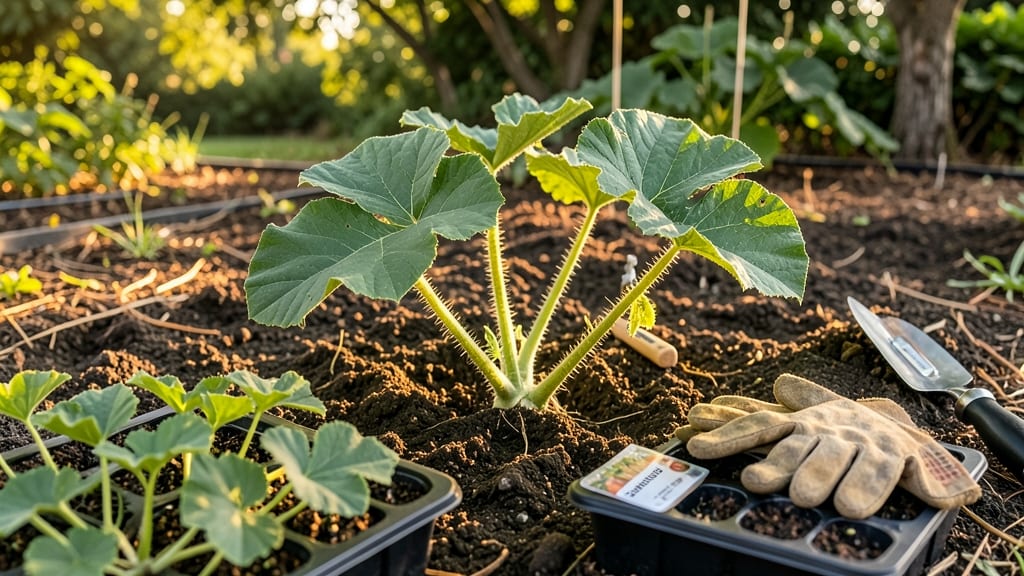
If you’ve ever planted cantaloupe in Ohio only to watch your vines wilt under late spring frosts, you’re not alone. The perfect planting window for 🍈 varieties like ‘Athena’ or ‘Hale’s Best’ hinges on Ohio’s 6a zone and unpredictable frost dates—but getting it wrong can mean no harvest at all.
Here’s the truth: Waiting until after your last frost (typically mid-April to early May) isn’t enough. Soil needs to hit 70°F or higher, and nighttime temps must stay above 55°F consistently. Without these conditions, even heat-loving cantaloupes will struggle, leaving you with bitter disappointment instead of sweet rewards.
I’ve tested the best strategies for Ohio’s climate—from using black plastic mulch to warm the soil faster to choosing early-maturing varieties like ‘Marketmaster’ that thrive in shorter seasons.
These tweaks can shave weeks off your growing timeline and ensure your cantaloupes ripen by July or August, when Ohio’s summer heat finally kicks in.
Ready to skip the guesswork? Let’s break down the exact dates, soil prep secrets, and variety picks that’ll turn your Ohio garden into a cantaloupe goldmine—no frost-related failures included.
Ohio’s frost-free planting zones for cantaloupe: exact dates by variety
Ohio’s diverse climate means cantaloupe planting dates vary from northern to southern regions. In USDA Zones 5-6, cantaloupes thrive only after soil reaches 70°F and all frost risk passes.
For most of Ohio, this lands between mid-April and early May, but timing shifts 2-3 weeks earlier in southern Ohio compared to the colder north.
Cantaloupes are heat-loving annuals that bolt or rot if planted too early. Ohio’s last frost date averages April 15 in the north (e.g., Cleveland, Toledo) but can be as early as April 1 in southern Ohio (e.g., Cincinnati, Columbus).
Always wait 2 weeks after the last frost before planting to ensure safety.
Direct sowing is best for cantaloupes—transplants struggle with root shock. Use black plastic mulch to warm soil faster and extend the growing season for late varieties. For northern Ohio, prioritize early-maturing varieties like ‘Ambrosia’ (70 days) or ‘Minnesota Midget’ (80 days) to avoid fall frost.
In southern Ohio, you can plant 2 weeks earlier and even try a second planting in early June for a late-season harvest. However, cantaloupes need 90-120 frost-free days to mature, so late plantings risk immature fruit before the first frost in mid-October.
Soil temperature is your best guide—use a soil thermometer to confirm 70°F+ at a 2-inch depth. If your soil is cold, delay planting or use row covers to create a microclimate. Avoid planting before May 1 in northern Ohio unless you’re using protective measures.
Ohio’s microclimates also play a role. Urban areas like Columbus may warm up faster than rural zones, while valleys can stay cooler longer. Observe your garden’s sun exposure and wind patterns—cantaloupes need full sun and shelter from strong winds to thrive.
| Region | Last Frost Date | Optimal Planting Window | Soil Temp Requirement | Recommended Varieties |
|---|---|---|---|---|
| Northern Ohio (Cleveland, Toledo) | April 15 - May 1 | May 15 - June 1 | 70°F+ (2-inch depth) | Ambrosia, Minnesota Midget, Hale’s Best |
| Central Ohio (Columbus, Dayton) | April 1 - April 15 | April 30 - May 15 | 70°F+ (2-inch depth) | Athena, Marketmaster, Tasty Bite |
| Southern Ohio (Cincinnati, Lexington) | March 20 - April 1 | April 15 - May 1 | 70°F+ (2-inch depth) | Sweet Dew, Honey Dew, Carolina Cross |
| All Regions (For Late Varieties) | N/A | June 1 - June 15 (with row covers) | 70°F+ (2-inch depth) | Hale’s Best, Burpee Hybrid |
For extended seasons, try row covers or cold frames to plant cantaloupes as early as late March in southern Ohio. Remove covers once soil warms and plants sprout. This trick can shave 2-3 weeks off your growing season, giving you an earlier harvest.
If you’re transplanting seedlings, start them indoors 3-4 weeks before your last frost date. Use biodegradable pots to avoid root disturbance when moving them outside. Harden off seedlings by exposing them to outdoor conditions for 7-10 days before planting.
Remember, cantaloupes need 90-120 days to mature. In Ohio’s shorter growing
5 Critical signs you’re planting cantaloupe too early (and how to avoid them)
Ohio gardeners often rush to plant cantaloupe as soon as the air warms, but soil temperature and frost risks can turn your seeds into sad, wilted memories.
The key is waiting until your garden soil reaches 70°F—any earlier, and your cantaloupe seeds will sit stubbornly in the dirt, refusing to sprout. Even worse, a late frost can wipe out your tender seedlings overnight.
I’ve seen too many gardeners plant cantaloupe in early April only to watch their vines wither under unpredictable Ohio frosts. The rule of thumb? Wait until after your last frost date—typically mid-May for northern Ohio and early May for southern Ohio.
But don’t just guess; use a soil thermometer to confirm the temperature.
⚠️ WARNING: Planting Too Early = Disaster
Sign 1: Blackened leaves or stunted growth after a light frost—your plants can’t recover.
Sign 2: Seeds rot in cold, wet soil instead of sprouting (a common Ohio spring problem).
Sign 3: Yellowing vines that never produce fruit because they’re struggling to survive.
Fix: Use black plastic mulch to warm soil faster or start seeds indoors 3-4 weeks before your last frost date.
Another red flag? Your cantaloupe seeds take longer than 10 days to sprout. If your garden is still chilly, they’ll linger in limbo, vulnerable to soil-borne diseases like damping-off.
Pro tip: Test your soil’s moisture and warmth by pressing your finger 1 inch deep—if it’s cool to the touch, wait longer.
Even if the weather forecast looks promising, check your local microclimate. Low-lying areas or shady spots stay colder longer. Plant in raised beds or south-facing slopes to give your cantaloupe a fighting chance.
And if you’re desperate for an early start, use row covers to protect seedlings until the soil warms up.
One more mistake? Ignoring nighttime temperatures. Cantaloupe thrives when daytime highs reach 85°F+, but if nights dip below 55°F, growth slows to a crawl. Use a minimum-maximum thermometer to track nightly temps—if they’re consistently cool, delay planting.
Remember, Ohio’s growing season is short—don’t waste it on a failed cantaloupe crop. Play it smart: wait for warmth, test your soil, and watch the weather. Your future melon harvest will thank you! 🍈