
Plants
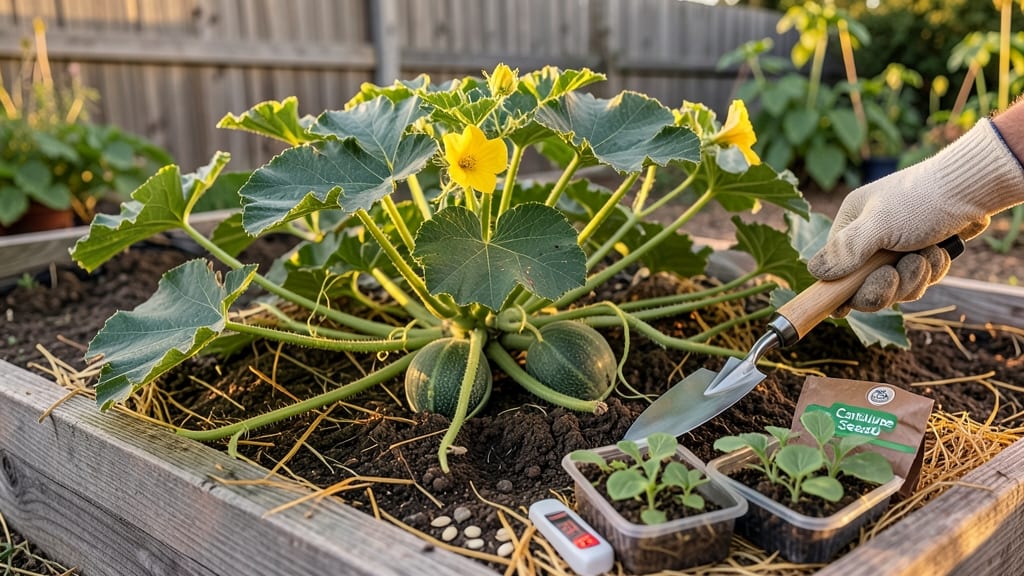
Planting your cantaloupe at the wrong time in Arkansas could mean the difference between a bountiful harvest and wasted effort. The 7a-8a climate demands precision—wait too long, and the heat will arrive before your vines even take root.
But get it right, and you’ll enjoy sweet, ripe 🍉 fruits from July through September.
Most gardeners in Arkansas rush to plant as soon as the last frost passes, but cantaloupes need something far more critical: soil that’s warmed to at least 70°F.
That’s why timing matters more than dates alone. I’ll show you exactly when to plant based on soil temperature, not just the calendar.
This isn’t just about avoiding frost—it’s about giving your cantaloupes the fast start they need to outpace Arkansas’ humidity and pests. Whether you’re in the Delta or the Ozarks, I’ll break down the best windows for planting and how to prepare your soil for maximum success.
Ready to grow cantaloupes that thrive in Arkansas’ heat? Let’s dive into the science-backed strategy that’ll have your plants strong, healthy, and producing fruit by summer.
Arkansas soil temperature guidelines for cantaloupe germination and growth
Cantaloupes in Arkansas demand precise soil temperatures to thrive—70°F+ for germination and 55°F+ for seedling survival. The state’s USDA Zones 7a-8a mean your planting window hinges on soil warmth, not just calendar dates.
In Little Rock, for example, soil reaches 70°F by mid-April, while Fayetteville’s cooler nights delay this until late April. These temperature thresholds ensure fast germination and robust vining.
Use a soil thermometer to confirm readiness—cantaloupe seeds won’t sprout below 60°F. In Texarkana’s humid climate, early planting risks soil-borne diseases like damping-off. Wait until the ground consistently stays above 70°F during the day and 60°F at night.
This timing aligns with Arkansas’s average last frost dates, which range from March 15 (Delta) to April 15 (Ozarks).
For seedling survival, maintain soil temps between 55°F and 75°F. If nighttime temps dip below 55°F, use row covers or black plastic mulch to trap heat. In Central Arkansas, this often means planting in early May if April is unusually chilly.
The goal? Avoid stunted growth or poor fruit set caused by temperature stress.
Once seedlings emerge, focus on vining stages, which thrive in 75°F–90°F soil. Arkansas’s summer heat (often exceeding 90°F) is ideal, but mulching with straw helps regulate soil temps.
Without this, vines may overheat or develop blossom-end rot. Monitor soil temps weekly—especially in sandy soils (common in the Delta), which cool faster than clay-heavy Ozark soils.
| Stage | Ideal Soil Temp (°F) | Arkansas Timing | Risk Below Threshold |
|---|---|---|---|
| Germination | 70°F+ | Mid-April (Delta) to Late April (Ozarks) | No germination; seed rot |
| Seedling Survival | 55°F–75°F | April–May (varies by region) | Stunted growth; fungal diseases |
| Vining & Flowering | 75°F–90°F | May–July (peak summer) | Poor fruit set; blossom-end rot |
| Fruiting | 80°F–95°F | June–August | Slow ripening; bitter fruit |
Pro tip: In southern Arkansas, where humidity spikes in summer, aim for early May planting to avoid powdery mildew. The Arkansas Cooperative Extension recommends testing soil temps at 4-inch depth—this mimics root-zone conditions.
If your soil heats up faster (like in black plastic mulch), plant 2 weeks earlier than the average date.
For container gardening in cities like Little Rock, use black pots to absorb heat—these can reach ideal temps 1–2 weeks faster than in-ground soil. Just ensure pots have drainage holes to prevent root rot in Arkansas’s frequent summer rains.
Container-grown cantaloupes also benefit from bottom heat mats if planting before mid-April.
Remember: Soil temperature > air temperature for cantaloupe success. Even if air temps hit 80°F, cool soil will delay germination. Use a clear plastic mulch to warm soil faster if you’re eager to plant early. This method raises soil temps by 5–10°F in as little as 3 days.
Finally, track your local microclimate. A south-facing slope in the Ozarks warms 2–3 weeks earlier than a north-facing valley. Adjust planting dates accordingly—this precision is key to avoiding bolting (premature flowering) or poor yields in Arkansas’s unpredictable spring weather.
With these soil temp guidelines, your cantaloupes will germinate fast, vine vigorously, and sweeten perfectly—just in time for Arkansas’s summer harvest season. 🍉
Best planting windows by Arkansas region: from Delta to Ozarks
Arkansas’ diverse climate zones mean your cantaloupe planting schedule should vary by region. The Delta’s warmer microclimate allows earlier starts, while the Ozark Mountains’ cooler nights demand delayed planting. Let’s break down the ideal windows for each area to maximize your harvest potential.
For Delta gardeners (USDA Zone 7b-8a), like those in Texarkana, start seeds indoors by late March or direct-sow outdoors by early April. The last frost typically occurs around March 20, giving seedlings enough time to establish before summer heat arrives.
In Central Arkansas (Little Rock, USDA Zone 7a), wait until mid-April for outdoor planting. Soil temperatures here often lag behind the Delta, so rushing seedlings risks poor germination. Use a soil thermometer to confirm 70°F+ before planting.
Northwest Arkansas (Fayetteville, Zone 7a) and the Ozark Mountains have later frost dates, often around April 15-May 1. These areas benefit from late April or early May planting to avoid early-season cold snaps that stunt vines.
🌡️ Arkansas Cantaloupe Planting Windows by Region
| Region | USDA Zone | Indoor Start | Outdoor Plant | Last Frost |
|---|---|---|---|---|
| Delta | 7b-8a | Late March | Early April | March 20 |
| Central AR | 7a | Mid-March | Mid-April | March 25 |
| Northwest AR | 7a | Late March | Late April | April 15 |
| Ozark Mtns | 6b-7a | Early April | Early May | May 1 |
Pro tip: Use black plastic mulch in cooler regions to warm soil faster. This technique can shave 1-2 weeks off your planting timeline by raising soil temps by 5-10°F.
For all regions, avoid planting after June 1. Late-season cantaloupes struggle with Arkansas’ humidity and heat stress, leading to poor fruit development. Instead, focus on early starts for a July-September harvest window.
🌱